

46
N. Vigneshwaran and A. Arputharaj
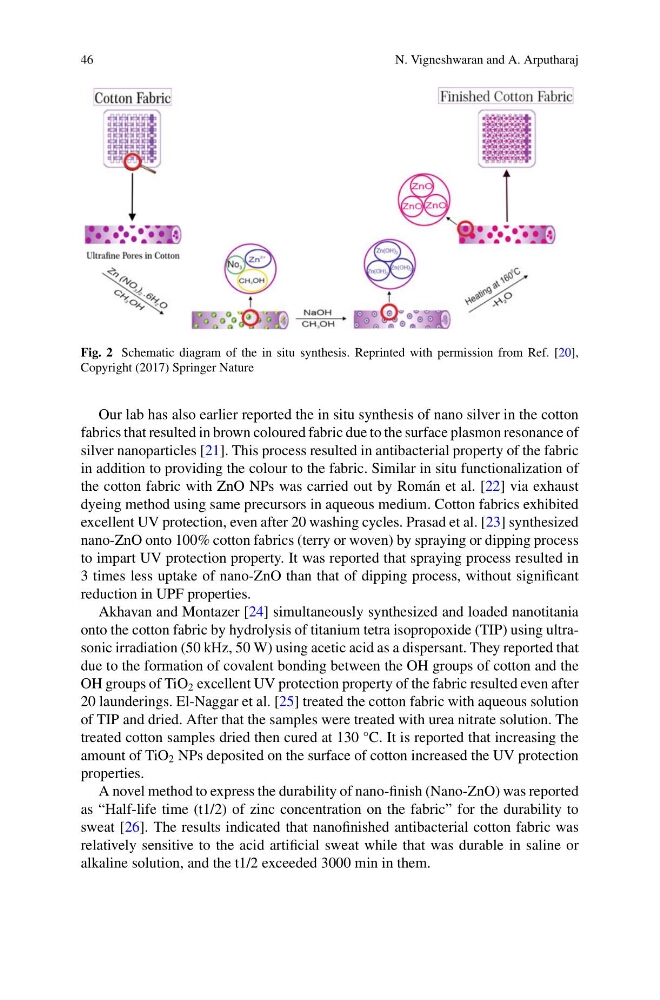
Fig. 2 Schematic diagram of the in situ synthesis. Reprinted with permission from Ref. [20],
Copyright (2017) Springer Nature
Our lab has also earlier reported the in situ synthesis of nano silver in the cotton
fabrics that resulted in brown coloured fabric due to the surface plasmon resonance of
silver nanoparticles [21]. This process resulted in antibacterial property of the fabric
in addition to providing the colour to the fabric. Similar in situ functionalization of
the cotton fabric with ZnO NPs was carried out by Román et al. [22] via exhaust
dyeing method using same precursors in aqueous medium. Cotton fabrics exhibited
excellent UV protection, even after 20 washing cycles. Prasad et al. [23] synthesized
nano-ZnO onto 100% cotton fabrics (terry or woven) by spraying or dipping process
to impart UV protection property. It was reported that spraying process resulted in
3 times less uptake of nano-ZnO than that of dipping process, without significant
reduction in UPF properties.
Akhavan and Montazer [24] simultaneously synthesized and loaded nanotitania
onto the cotton fabric by hydrolysis of titanium tetra isopropoxide (TIP) using ultrasonic irradiation (50 kHz, 50 W) using acetic acid as a dispersant. They reported that
due to the formation of covalent bonding between the OH groups of cotton and the
OH groups of TiO 2 excellent UV protection property of the fabric resulted even after
20 launderings. El-Naggar et al. [25] treated the cotton fabric with aqueous solution
of TIP and dried. After that the samples were treated with urea nitrate solution. The
treated cotton samples dried then cured at 130 °C. It is reported that increasing the
amount of TiO 2 NPs deposited on the surface of cotton increased the UV protection
properties.
A novel method to express the durability of nano-finish (Nano-ZnO) was reported
as “Half-life time (t1/2) of zinc concentration on the fabric” for the durability to
sweat [26]. The results indicated that nanofinished antibacterial cotton fabric was
relatively sensitive to the acid artificial sweat while that was durable in saline or
alkaline solution, and the t1/2 exceeded 3000 min in them.
N. Vigneshwaran and A. Arputharaj
Fig. 2 Schematic diagram of the in situ synthesis. Reprinted with permission from Ref. [20],
Copyright (2017) Springer Nature
Our lab has also earlier reported the in situ synthesis of nano silver in the cotton
fabrics that resulted in brown coloured fabric due to the surface plasmon resonance of
silver nanoparticles [21]. This process resulted in antibacterial property of the fabric
in addition to providing the colour to the fabric. Similar in situ functionalization of
the cotton fabric with ZnO NPs was carried out by Román et al. [22] via exhaust
dyeing method using same precursors in aqueous medium. Cotton fabrics exhibited
excellent UV protection, even after 20 washing cycles. Prasad et al. [23] synthesized
nano-ZnO onto 100% cotton fabrics (terry or woven) by spraying or dipping process
to impart UV protection property. It was reported that spraying process resulted in
3 times less uptake of nano-ZnO than that of dipping process, without significant
reduction in UPF properties.
Akhavan and Montazer [24] simultaneously synthesized and loaded nanotitania
onto the cotton fabric by hydrolysis of titanium tetra isopropoxide (TIP) using ultrasonic irradiation (50 kHz, 50 W) using acetic acid as a dispersant. They reported that
due to the formation of covalent bonding between the OH groups of cotton and the
OH groups of TiO 2 excellent UV protection property of the fabric resulted even after
20 launderings. El-Naggar et al. [25] treated the cotton fabric with aqueous solution
of TIP and dried. After that the samples were treated with urea nitrate solution. The
treated cotton samples dried then cured at 130 °C. It is reported that increasing the
amount of TiO 2 NPs deposited on the surface of cotton increased the UV protection
properties.
A novel method to express the durability of nano-finish (Nano-ZnO) was reported
as “Half-life time (t1/2) of zinc concentration on the fabric” for the durability to
sweat [26]. The results indicated that nanofinished antibacterial cotton fabric was
relatively sensitive to the acid artificial sweat while that was durable in saline or
alkaline solution, and the t1/2 exceeded 3000 min in them.