

318
S. Adeel et al.
Types of Synthetic dye
Basic dye
Used in Nylon, Polyester,
Leather, Wool, Silk, Jute
Direct Dyes
Cotton, ryon,
fleece, silk, nylon
Acid dye
Fleece, silk, nylon
Sulfer dye
Cotton, nylon
Azoic dye
Ployester, nylon
Vat dye
Cotton, rayon, silk,, nylon
Alizarin dye
Fleece and cotton
Chrome dyes
wool
Disperse dye
Polyester fabric
Solvent dye
Plastic, candles,
waxes,ink, wood, stain
Mordant dye
Cotton, silk , wool
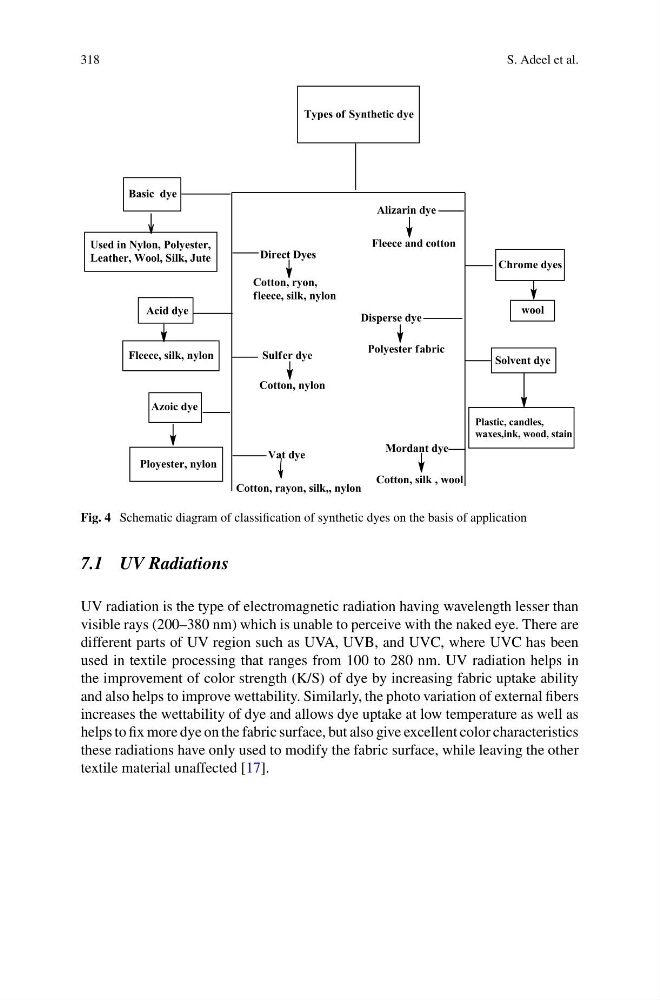
Fig. 4 Schematic diagram of classification of synthetic dyes on the basis of application
7.1 UV Radiations
UV radiation is the type of electromagnetic radiation having wavelength lesser than
visible rays (200–380 nm) which is unable to perceive with the naked eye. There are
different parts of UV region such as UVA, UVB, and UVC, where UVC has been
used in textile processing that ranges from 100 to 280 nm. UV radiation helps in
the improvement of color strength (K/S) of dye by increasing fabric uptake ability
and also helps to improve wettability. Similarly, the photo variation of external fibers
increases the wettability of dye and allows dye uptake at low temperature as well as
helps to fix more dye on the fabric surface, but also give excellent color characteristics
these radiations have only used to modify the fabric surface, while leaving the other
textile material unaffected [17].
S. Adeel et al.
Types of Synthetic dye
Basic dye
Used in Nylon, Polyester,
Leather, Wool, Silk, Jute
Direct Dyes
Cotton, ryon,
fleece, silk, nylon
Acid dye
Fleece, silk, nylon
Sulfer dye
Cotton, nylon
Azoic dye
Ployester, nylon
Vat dye
Cotton, rayon, silk,, nylon
Alizarin dye
Fleece and cotton
Chrome dyes
wool
Disperse dye
Polyester fabric
Solvent dye
Plastic, candles,
waxes,ink, wood, stain
Mordant dye
Cotton, silk , wool
Fig. 4 Schematic diagram of classification of synthetic dyes on the basis of application
7.1 UV Radiations
UV radiation is the type of electromagnetic radiation having wavelength lesser than
visible rays (200–380 nm) which is unable to perceive with the naked eye. There are
different parts of UV region such as UVA, UVB, and UVC, where UVC has been
used in textile processing that ranges from 100 to 280 nm. UV radiation helps in
the improvement of color strength (K/S) of dye by increasing fabric uptake ability
and also helps to improve wettability. Similarly, the photo variation of external fibers
increases the wettability of dye and allows dye uptake at low temperature as well as
helps to fix more dye on the fabric surface, but also give excellent color characteristics
these radiations have only used to modify the fabric surface, while leaving the other
textile material unaffected [17].