

302
Cationization as Tool for Functionalization of Cotton
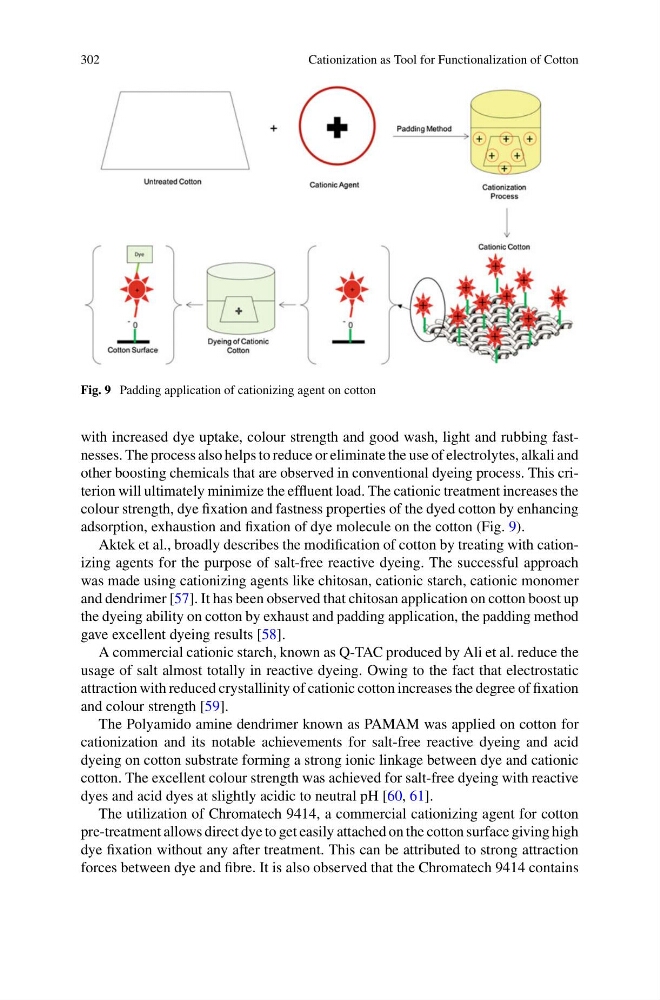
Fig. 9 Padding application of cationizing agent on cotton
with increased dye uptake, colour strength and good wash, light and rubbing fastnesses. The process also helps to reduce or eliminate the use of electrolytes, alkali and
other boosting chemicals that are observed in conventional dyeing process. This criterion will ultimately minimize the effluent load. The cationic treatment increases the
colour strength, dye fixation and fastness properties of the dyed cotton by enhancing
adsorption, exhaustion and fixation of dye molecule on the cotton (Fig. 9).
Aktek et al., broadly describes the modification of cotton by treating with cationizing agents for the purpose of salt-free reactive dyeing. The successful approach
was made using cationizing agents like chitosan, cationic starch, cationic monomer
and dendrimer [57]. It has been observed that chitosan application on cotton boost up
the dyeing ability on cotton by exhaust and padding application, the padding method
gave excellent dyeing results [58].
A commercial cationic starch, known as Q-TAC produced by Ali et al. reduce the
usage of salt almost totally in reactive dyeing. Owing to the fact that electrostatic
attraction with reduced crystallinity of cationic cotton increases the degree of fixation
and colour strength [59].
The Polyamido amine dendrimer known as PAMAM was applied on cotton for
cationization and its notable achievements for salt-free reactive dyeing and acid
dyeing on cotton substrate forming a strong ionic linkage between dye and cationic
cotton. The excellent colour strength was achieved for salt-free dyeing with reactive
dyes and acid dyes at slightly acidic to neutral pH [60, 61].
The utilization of Chromatech 9414, a commercial cationizing agent for cotton
pre-treatment allows direct dye to get easily attached on the cotton surface giving high
dye fixation without any after treatment. This can be attributed to strong attraction
forces between dye and fibre. It is also observed that the Chromatech 9414 contains
Cationization as Tool for Functionalization of Cotton
Fig. 9 Padding application of cationizing agent on cotton
with increased dye uptake, colour strength and good wash, light and rubbing fastnesses. The process also helps to reduce or eliminate the use of electrolytes, alkali and
other boosting chemicals that are observed in conventional dyeing process. This criterion will ultimately minimize the effluent load. The cationic treatment increases the
colour strength, dye fixation and fastness properties of the dyed cotton by enhancing
adsorption, exhaustion and fixation of dye molecule on the cotton (Fig. 9).
Aktek et al., broadly describes the modification of cotton by treating with cationizing agents for the purpose of salt-free reactive dyeing. The successful approach
was made using cationizing agents like chitosan, cationic starch, cationic monomer
and dendrimer [57]. It has been observed that chitosan application on cotton boost up
the dyeing ability on cotton by exhaust and padding application, the padding method
gave excellent dyeing results [58].
A commercial cationic starch, known as Q-TAC produced by Ali et al. reduce the
usage of salt almost totally in reactive dyeing. Owing to the fact that electrostatic
attraction with reduced crystallinity of cationic cotton increases the degree of fixation
and colour strength [59].
The Polyamido amine dendrimer known as PAMAM was applied on cotton for
cationization and its notable achievements for salt-free reactive dyeing and acid
dyeing on cotton substrate forming a strong ionic linkage between dye and cationic
cotton. The excellent colour strength was achieved for salt-free dyeing with reactive
dyes and acid dyes at slightly acidic to neutral pH [60, 61].
The utilization of Chromatech 9414, a commercial cationizing agent for cotton
pre-treatment allows direct dye to get easily attached on the cotton surface giving high
dye fixation without any after treatment. This can be attributed to strong attraction
forces between dye and fibre. It is also observed that the Chromatech 9414 contains