

278
N. A. Ibrahim and B. M. Eid
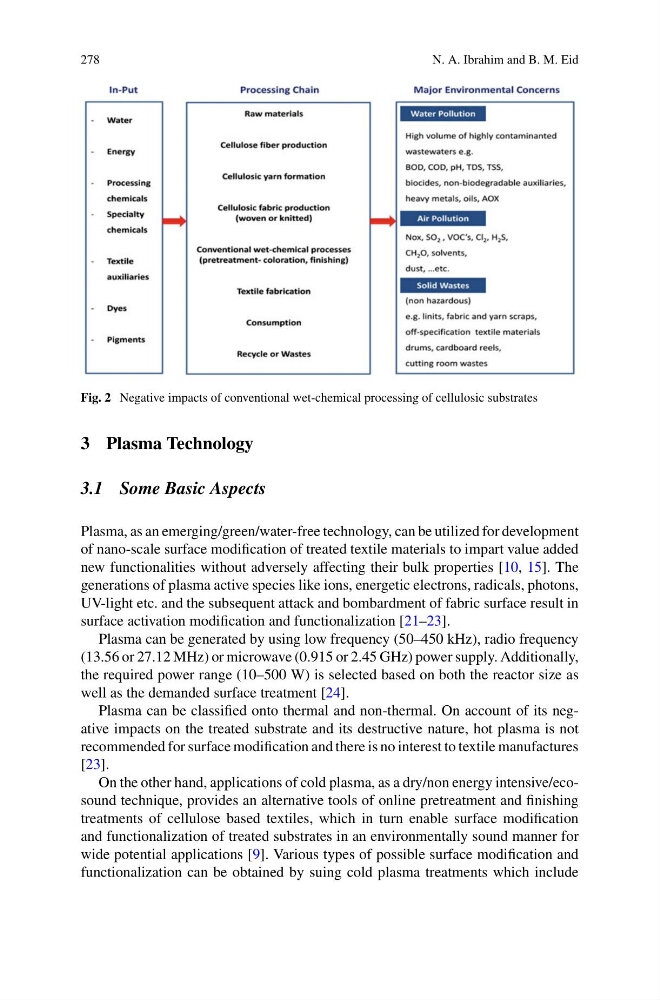
Fig. 2 Negative impacts of conventional wet-chemical processing of cellulosic substrates
3 Plasma Technology
3.1 Some Basic Aspects
Plasma, as an emerging/green/water-free technology, can be utilized for development
of nano-scale surface modification of treated textile materials to impart value added
new functionalities without adversely affecting their bulk properties [10, 15]. The
generations of plasma active species like ions, energetic electrons, radicals, photons,
UV-light etc. and the subsequent attack and bombardment of fabric surface result in
surface activation modification and functionalization [21–23].
Plasma can be generated by using low frequency (50–450 kHz), radio frequency
(13.56 or 27.12 MHz) or microwave (0.915 or 2.45 GHz) power supply. Additionally,
the required power range (10–500 W) is selected based on both the reactor size as
well as the demanded surface treatment [24].
Plasma can be classified onto thermal and non-thermal. On account of its negative impacts on the treated substrate and its destructive nature, hot plasma is not
recommended for surface modification and there is no interest to textile manufactures
[23].
On the other hand, applications of cold plasma, as a dry/non energy intensive/ecosound technique, provides an alternative tools of online pretreatment and finishing
treatments of cellulose based textiles, which in turn enable surface modification
and functionalization of treated substrates in an environmentally sound manner for
wide potential applications [9]. Various types of possible surface modification and
functionalization can be obtained by suing cold plasma treatments which include
N. A. Ibrahim and B. M. Eid
Fig. 2 Negative impacts of conventional wet-chemical processing of cellulosic substrates
3 Plasma Technology
3.1 Some Basic Aspects
Plasma, as an emerging/green/water-free technology, can be utilized for development
of nano-scale surface modification of treated textile materials to impart value added
new functionalities without adversely affecting their bulk properties [10, 15]. The
generations of plasma active species like ions, energetic electrons, radicals, photons,
UV-light etc. and the subsequent attack and bombardment of fabric surface result in
surface activation modification and functionalization [21–23].
Plasma can be generated by using low frequency (50–450 kHz), radio frequency
(13.56 or 27.12 MHz) or microwave (0.915 or 2.45 GHz) power supply. Additionally,
the required power range (10–500 W) is selected based on both the reactor size as
well as the demanded surface treatment [24].
Plasma can be classified onto thermal and non-thermal. On account of its negative impacts on the treated substrate and its destructive nature, hot plasma is not
recommended for surface modification and there is no interest to textile manufactures
[23].
On the other hand, applications of cold plasma, as a dry/non energy intensive/ecosound technique, provides an alternative tools of online pretreatment and finishing
treatments of cellulose based textiles, which in turn enable surface modification
and functionalization of treated substrates in an environmentally sound manner for
wide potential applications [9]. Various types of possible surface modification and
functionalization can be obtained by suing cold plasma treatments which include