

Recent Advances in Development of Antimicrobial Textiles
147
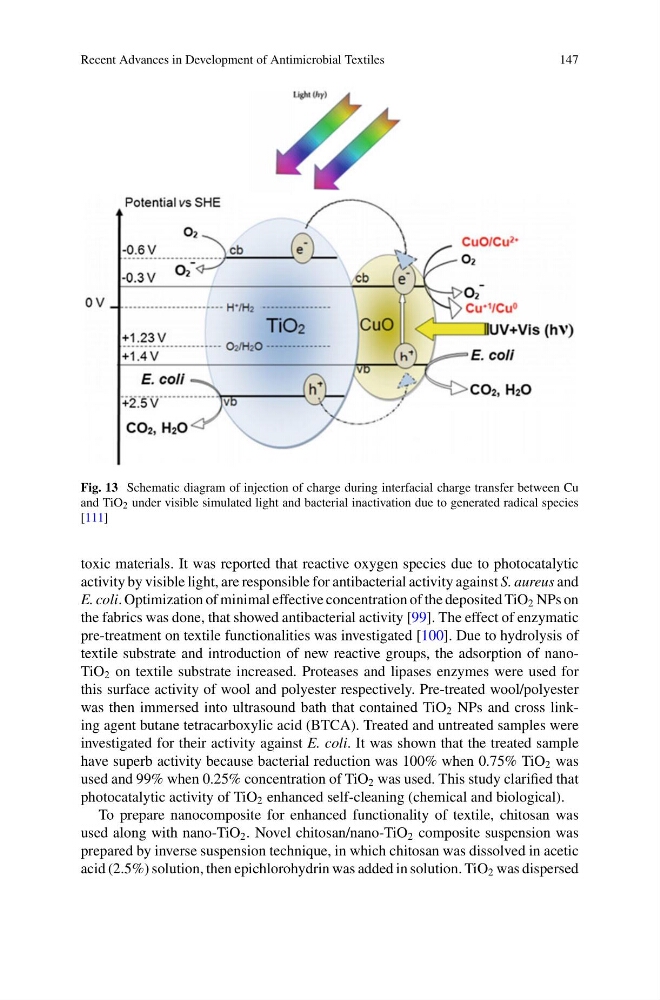
Fig. 13 Schematic diagram of injection of charge during interfacial charge transfer between Cu
and TiO 2 under visible simulated light and bacterial inactivation due to generated radical species
[111]
toxic materials. It was reported that reactive oxygen species due to photocatalytic
activity by visible light, are responsible for antibacterial activity against S. aureus and
E. coli. Optimization of minimal effective concentration of the deposited TiO 2 NPs on
the fabrics was done, that showed antibacterial activity [99]. The effect of enzymatic
pre-treatment on textile functionalities was investigated [100]. Due to hydrolysis of
textile substrate and introduction of new reactive groups, the adsorption of nanoTiO 2 on textile substrate increased. Proteases and lipases enzymes were used for
this surface activity of wool and polyester respectively. Pre-treated wool/polyester
was then immersed into ultrasound bath that contained TiO 2 NPs and cross linking agent butane tetracarboxylic acid (BTCA). Treated and untreated samples were
investigated for their activity against E. coli. It was shown that the treated sample
have superb activity because bacterial reduction was 100% when 0.75% TiO 2 was
used and 99% when 0.25% concentration of TiO 2 was used. This study clarified that
photocatalytic activity of TiO 2 enhanced self-cleaning (chemical and biological).
To prepare nanocomposite for enhanced functionality of textile, chitosan was
used along with nano-TiO 2 . Novel chitosan/nano-TiO 2 composite suspension was
prepared by inverse suspension technique, in which chitosan was dissolved in acetic
acid (2.5%) solution, then epichlorohydrin was added in solution. TiO 2 was dispersed
147
Fig. 13 Schematic diagram of injection of charge during interfacial charge transfer between Cu
and TiO 2 under visible simulated light and bacterial inactivation due to generated radical species
[111]
toxic materials. It was reported that reactive oxygen species due to photocatalytic
activity by visible light, are responsible for antibacterial activity against S. aureus and
E. coli. Optimization of minimal effective concentration of the deposited TiO 2 NPs on
the fabrics was done, that showed antibacterial activity [99]. The effect of enzymatic
pre-treatment on textile functionalities was investigated [100]. Due to hydrolysis of
textile substrate and introduction of new reactive groups, the adsorption of nanoTiO 2 on textile substrate increased. Proteases and lipases enzymes were used for
this surface activity of wool and polyester respectively. Pre-treated wool/polyester
was then immersed into ultrasound bath that contained TiO 2 NPs and cross linking agent butane tetracarboxylic acid (BTCA). Treated and untreated samples were
investigated for their activity against E. coli. It was shown that the treated sample
have superb activity because bacterial reduction was 100% when 0.75% TiO 2 was
used and 99% when 0.25% concentration of TiO 2 was used. This study clarified that
photocatalytic activity of TiO 2 enhanced self-cleaning (chemical and biological).
To prepare nanocomposite for enhanced functionality of textile, chitosan was
used along with nano-TiO 2 . Novel chitosan/nano-TiO 2 composite suspension was
prepared by inverse suspension technique, in which chitosan was dissolved in acetic
acid (2.5%) solution, then epichlorohydrin was added in solution. TiO 2 was dispersed