

6.2 Rubber Reinforcement by In Situ Silica
119
Fig. 6.13 Speculated SIC behavior of S-NR-Si. This deformation occurs in each different-sized
rubber phase in S-NR-Si (from Fig. 5 in Ref. [60])
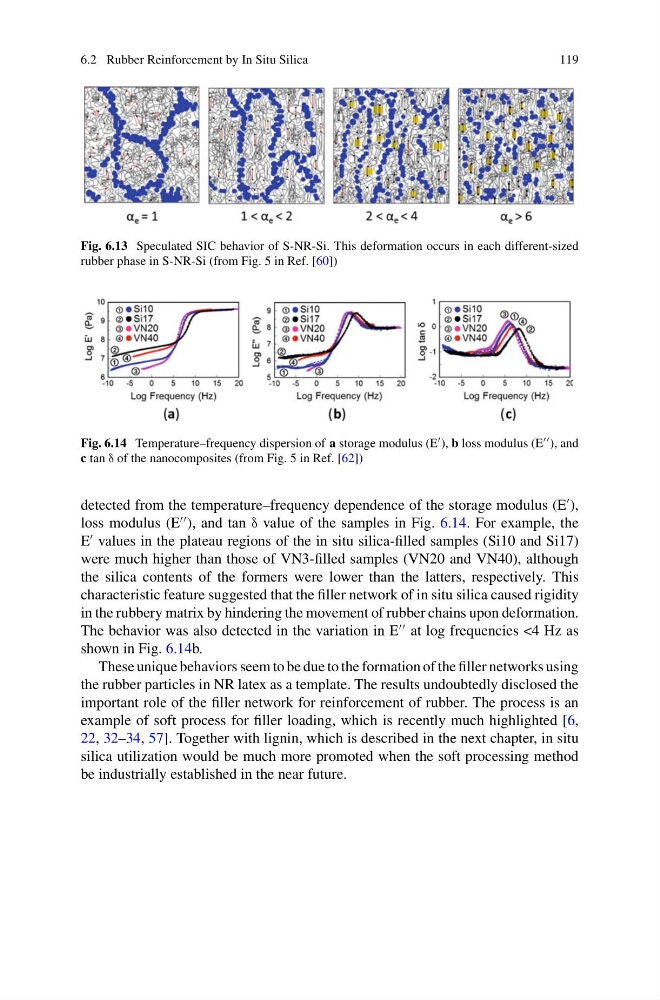
Fig. 6.14 Temperature–frequency dispersion of a storage modulus (E ), b loss modulus (E ), and
c tan δ of the nanocomposites (from Fig. 5 in Ref. [62])
detected from the temperature–frequency dependence of the storage modulus (E
),
loss modulus (E
), and tan δ value of the samples in Fig. 6.14. For example, the
E
values in the plateau regions of the in situ silica-filled samples (Si10 and Si17)
were much higher than those of VN3-filled samples (VN20 and VN40), although
the silica contents of the formers were lower than the latters, respectively. This
characteristic feature suggested that the filler network of in situ silica caused rigidity
in the rubbery matrix by hindering the movement of rubber chains upon deformation.
The behavior was also detected in the variation in E
at log frequencies <4 Hz as
shown in Fig. 6.14b.
These unique behaviors seem to be due to the formation of the filler networks using
the rubber particles in NR latex as a template. The results undoubtedly disclosed the
important role of the filler network for reinforcement of rubber. The process is an
example of soft process for filler loading, which is recently much highlighted [6,
22, 32–34, 57]. Together with lignin, which is described in the next chapter, in situ
silica utilization would be much more promoted when the soft processing method
be industrially established in the near future.
119
Fig. 6.13 Speculated SIC behavior of S-NR-Si. This deformation occurs in each different-sized
rubber phase in S-NR-Si (from Fig. 5 in Ref. [60])
Fig. 6.14 Temperature–frequency dispersion of a storage modulus (E ), b loss modulus (E ), and
c tan δ of the nanocomposites (from Fig. 5 in Ref. [62])
detected from the temperature–frequency dependence of the storage modulus (E
),
loss modulus (E
), and tan δ value of the samples in Fig. 6.14. For example, the
E
values in the plateau regions of the in situ silica-filled samples (Si10 and Si17)
were much higher than those of VN3-filled samples (VN20 and VN40), although
the silica contents of the formers were lower than the latters, respectively. This
characteristic feature suggested that the filler network of in situ silica caused rigidity
in the rubbery matrix by hindering the movement of rubber chains upon deformation.
The behavior was also detected in the variation in E
at log frequencies <4 Hz as
shown in Fig. 6.14b.
These unique behaviors seem to be due to the formation of the filler networks using
the rubber particles in NR latex as a template. The results undoubtedly disclosed the
important role of the filler network for reinforcement of rubber. The process is an
example of soft process for filler loading, which is recently much highlighted [6,
22, 32–34, 57]. Together with lignin, which is described in the next chapter, in situ
silica utilization would be much more promoted when the soft processing method
be industrially established in the near future.