

Anisotropic gels refer to the anisotropic networks swollen by nonreactive LC (Chen
et al. 2014). RM dissolved in LMWLC produces the anisotropic networks by in situ
polymerization, leading to the stabilization of LC alignment. Randomly oriented LC
molecules in the isotropic phase transform to the aligned state once the sample is
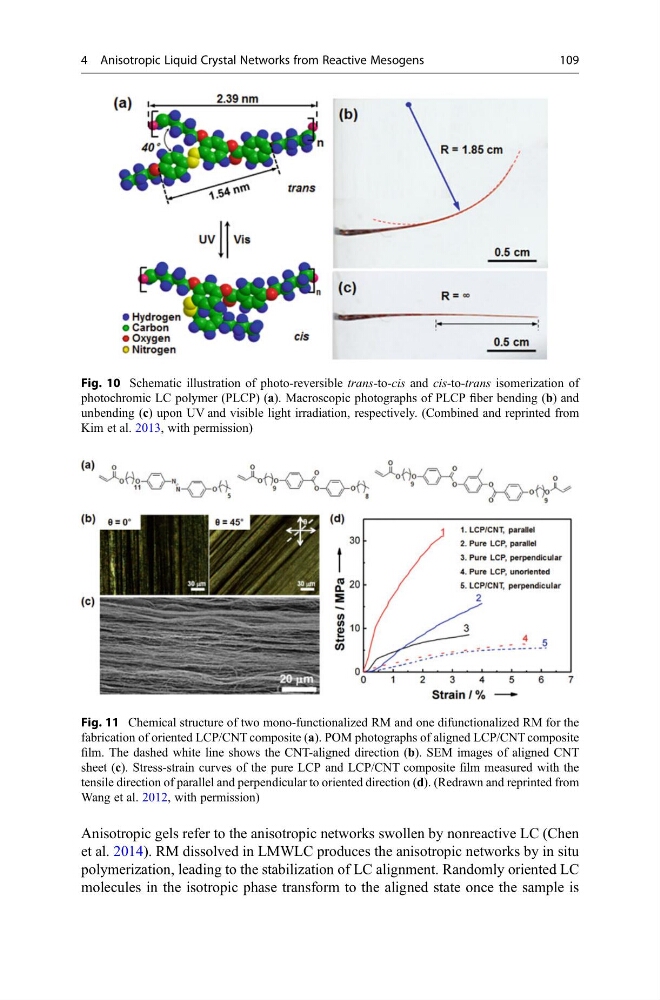
Fig. 10 Schematic illustration of photo-reversible trans-to-cis and cis-to-trans isomerization of
photochromic LC polymer (PLCP) (a). Macroscopic photographs of PLCP fiber bending (b) and
unbending (c) upon UV and visible light irradiation, respectively. (Combined and reprinted from
Kim et al. 2013, with permission)
Fig. 11 Chemical structure of two mono-functionalized RM and one difunctionalized RM for the
fabrication of oriented LCP/CNT composite (a). POM photographs of aligned LCP/CNT composite
film. The dashed white line shows the CNT-aligned direction (b). SEM images of aligned CNT
sheet (c). Stress-strain curves of the pure LCP and LCP/CNT composite film measured with the
tensile direction of parallel and perpendicular to oriented direction (d). (Redrawn and reprinted from
Wang et al. 2012, with permission)
4 Anisotropic Liquid Crystal Networks from Reactive Mesogens
109
et al. 2014). RM dissolved in LMWLC produces the anisotropic networks by in situ
polymerization, leading to the stabilization of LC alignment. Randomly oriented LC
molecules in the isotropic phase transform to the aligned state once the sample is
Fig. 10 Schematic illustration of photo-reversible trans-to-cis and cis-to-trans isomerization of
photochromic LC polymer (PLCP) (a). Macroscopic photographs of PLCP fiber bending (b) and
unbending (c) upon UV and visible light irradiation, respectively. (Combined and reprinted from
Kim et al. 2013, with permission)
Fig. 11 Chemical structure of two mono-functionalized RM and one difunctionalized RM for the
fabrication of oriented LCP/CNT composite (a). POM photographs of aligned LCP/CNT composite
film. The dashed white line shows the CNT-aligned direction (b). SEM images of aligned CNT
sheet (c). Stress-strain curves of the pure LCP and LCP/CNT composite film measured with the
tensile direction of parallel and perpendicular to oriented direction (d). (Redrawn and reprinted from
Wang et al. 2012, with permission)
4 Anisotropic Liquid Crystal Networks from Reactive Mesogens
109