

1 3
Topics in Current Chemistry (2019) 377:24
Traditional infrared works carried out studies investigating the photo-oxidation
(or less typically photo-reduction as, for example, the case of NO reduction to
nitrogen) of several pollutants such as hydrocarbons [57, 58], alcohols [59–63],
aldehydes and ketones [64, 65], acids [66–68], dyes [69, 70], NO, CO, and inorganic molecules [71–74]. More recently, interest has been focused on the analysis
of hydrogen production from water or using alcohols as sacrificial agents, as well
as the reduction of carbon dioxide using water or hydrogen as reducing agents.
Hydrogen photo-production is a key technology for a greener future. The use
of sacrificial molecules and particularly alcohols which can come from natural
resources has been subjected to intensive research within the context of this reaction. Infrared spectroscopy results using methanol, ethanol, and iso-propanol
showed the adsorption over titania of the alcohol as both neutral molecule and
(for methanol and ethanol) alcoxy entities [75–78]. Figure 10 displays a representative example, which concerns the methanol photo-reforming reaction over
Pt-promoted (Degussa) P25 catalysts [75]. As mentioned, Fig. 10b, g provide evidence of the adsorption of the methanol and methoxy species at dark conditions
through the analysis of C–H bond contributions. After illumination, negative
bands indicate that these species (as well as molecular water) are eliminated from
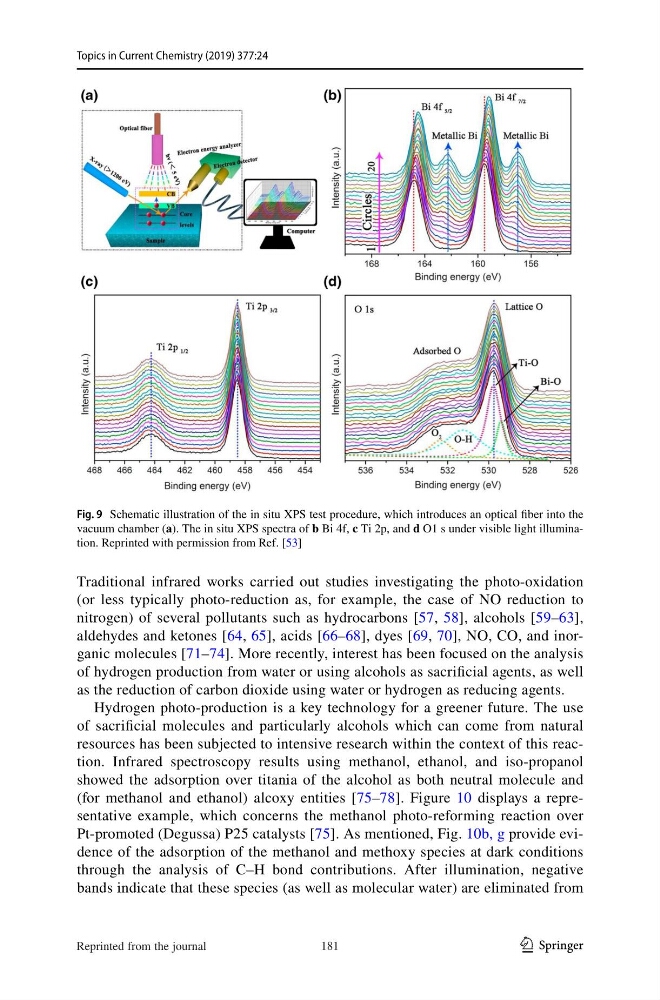
Fig. 9 Schematic illustration of the in situ XPS test procedure, which introduces an optical fiber into the
vacuum chamber (a). The in situ XPS spectra of b Bi 4f, c Ti 2p, and d O1 s under visible light illumination. Reprinted with permission from Ref. [53]
181
Reprinted from the journal
Topics in Current Chemistry (2019) 377:24
Traditional infrared works carried out studies investigating the photo-oxidation
(or less typically photo-reduction as, for example, the case of NO reduction to
nitrogen) of several pollutants such as hydrocarbons [57, 58], alcohols [59–63],
aldehydes and ketones [64, 65], acids [66–68], dyes [69, 70], NO, CO, and inorganic molecules [71–74]. More recently, interest has been focused on the analysis
of hydrogen production from water or using alcohols as sacrificial agents, as well
as the reduction of carbon dioxide using water or hydrogen as reducing agents.
Hydrogen photo-production is a key technology for a greener future. The use
of sacrificial molecules and particularly alcohols which can come from natural
resources has been subjected to intensive research within the context of this reaction. Infrared spectroscopy results using methanol, ethanol, and iso-propanol
showed the adsorption over titania of the alcohol as both neutral molecule and
(for methanol and ethanol) alcoxy entities [75–78]. Figure 10 displays a representative example, which concerns the methanol photo-reforming reaction over
Pt-promoted (Degussa) P25 catalysts [75]. As mentioned, Fig. 10b, g provide evidence of the adsorption of the methanol and methoxy species at dark conditions
through the analysis of C–H bond contributions. After illumination, negative
bands indicate that these species (as well as molecular water) are eliminated from
Fig. 9 Schematic illustration of the in situ XPS test procedure, which introduces an optical fiber into the
vacuum chamber (a). The in situ XPS spectra of b Bi 4f, c Ti 2p, and d O1 s under visible light illumination. Reprinted with permission from Ref. [53]
181
Reprinted from the journal