

connector, which was connected to another T-shaped connector by a Teflon tube.
Solutions of substrates in 1,2-dichloroethane and an aqueous solution of potassium
carbonate were introduced at a flow rate of 0.1 mL/h and 0.03 mL/h, respectively
(Fig. 7). Oxygen gas was introduced through a mass-flow controller at a flow rate of
1.5 mL/min. When 1-phenylethanol was used as the substrate, quantitative conversion to acetophenone was maintained over 4 days. Nine other substrates were
successfully oxidized in good to excellent yields using the same capillary reactors.
2.4 Polymeric Palladium Nanoparticle Membrane-Installed
Microflow Devices for Hydrodehalogenation
In 1999, Whitesides and co-workers found that polymer deposition resulted from the
acid–base reaction at the laminar interface of two flows: polymeric sulfonate salt and
a polymeric ammonium salt [8]. In 2006, Uozumi and co-workers developed a
microchannel reactor with a catalytic membrane containing a Pd complex based
on the strategy of polymeric deposition at a laminar interface [9]. A polymer
membrane of a Pd complex was formed inside a microchannel reactor through
x
y
z
O
O
OH
4
Polymer with cross-linking moieties (4)
(x / y / z 28:34:38)
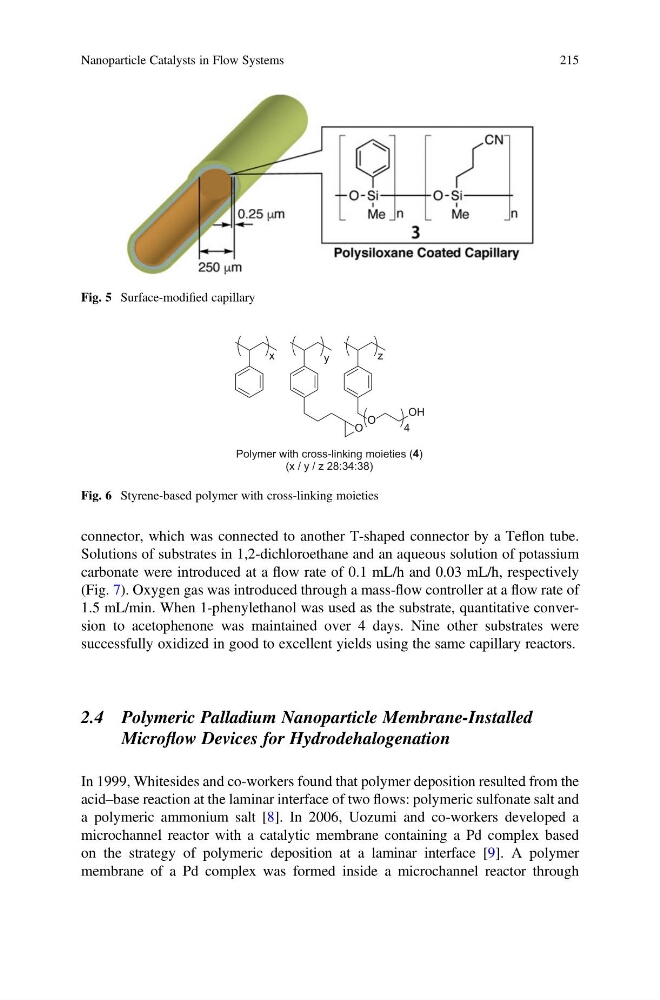
Fig. 6 Styrene-based polymer with cross-linking moieties
Fig. 5 Surface-modified capillary
Nanoparticle Catalysts in Flow Systems
215
Solutions of substrates in 1,2-dichloroethane and an aqueous solution of potassium
carbonate were introduced at a flow rate of 0.1 mL/h and 0.03 mL/h, respectively
(Fig. 7). Oxygen gas was introduced through a mass-flow controller at a flow rate of
1.5 mL/min. When 1-phenylethanol was used as the substrate, quantitative conversion to acetophenone was maintained over 4 days. Nine other substrates were
successfully oxidized in good to excellent yields using the same capillary reactors.
2.4 Polymeric Palladium Nanoparticle Membrane-Installed
Microflow Devices for Hydrodehalogenation
In 1999, Whitesides and co-workers found that polymer deposition resulted from the
acid–base reaction at the laminar interface of two flows: polymeric sulfonate salt and
a polymeric ammonium salt [8]. In 2006, Uozumi and co-workers developed a
microchannel reactor with a catalytic membrane containing a Pd complex based
on the strategy of polymeric deposition at a laminar interface [9]. A polymer
membrane of a Pd complex was formed inside a microchannel reactor through
x
y
z
O
O
OH
4
Polymer with cross-linking moieties (4)
(x / y / z 28:34:38)
Fig. 6 Styrene-based polymer with cross-linking moieties
Fig. 5 Surface-modified capillary
Nanoparticle Catalysts in Flow Systems
215