

basic sites on the LDH surface would contribute to the alcohol oxidation; the surface
basic sites (M–OH
δÀ ) would promote deprotonation from the OH group of the
substrate alcohols, and the acidic sites would facilitate the removal of H species on
the Au NPs [78].
Given that the early studies revealed that base is required to promote the alcohol
oxidation for Au/C but not for Au/MO x , the basic sites of MO x and non-oxides are
more important for the deprotonation of alcohols in the initial step. Wang et al.
disclosed that Au/hydroxyapatite (HAP) showed the oxidative SMSI in which Au
NPs were partly covered by HAP thin layer under oxidative thermal treatment [52],
which is highly contrast to the conventional SMSI that occurs under reductive
thermal treatment. The another unique feature of the oxidative SMSI of Au/HAP
is to give positively charged Au species while the conventional SMSI leads to
negatively charged metal species. They exploited Au/HAP for solvent- and basefree benzyl alcohol oxidation and evaluated the effect of SMSI [52]. Unfortunately,
Au/HAP with SMSI showed lower catalytic activity than did Au/HAP without SMSI
probably due to the decrease in the exposed Au surface. However, Au/HAP with
SMSI improved the selectivity to benzaldehyde and reusability from Au/HAP
without SMSI, and the catalytic activity of Au/HAP with SMSI exceeded the one
without SMSI after the second run in the recycling test.
2.3.2 Size Dependence
The size dependence of Au/HT (2.1–12 nm) [48] and Au/HAP (1.7–7.7 nm) [53]
were studied, and the catalytic activity increased with a decrease in the size of Au
NPs. Zhang and Wang et al. reported that Au/HT promoted the benzyl alcohol
oxidation not only under oxidative (O 2 ) but also non-oxidative (Ar) conditions
[48]. The size dependence on the reaction rate was observed under both O 2 and Ar
atmosphere (Fig. 5), although the degree of changes in the reaction rate was different
between O 2 and Ar atmosphere due to much inferior activity under Ar. The size
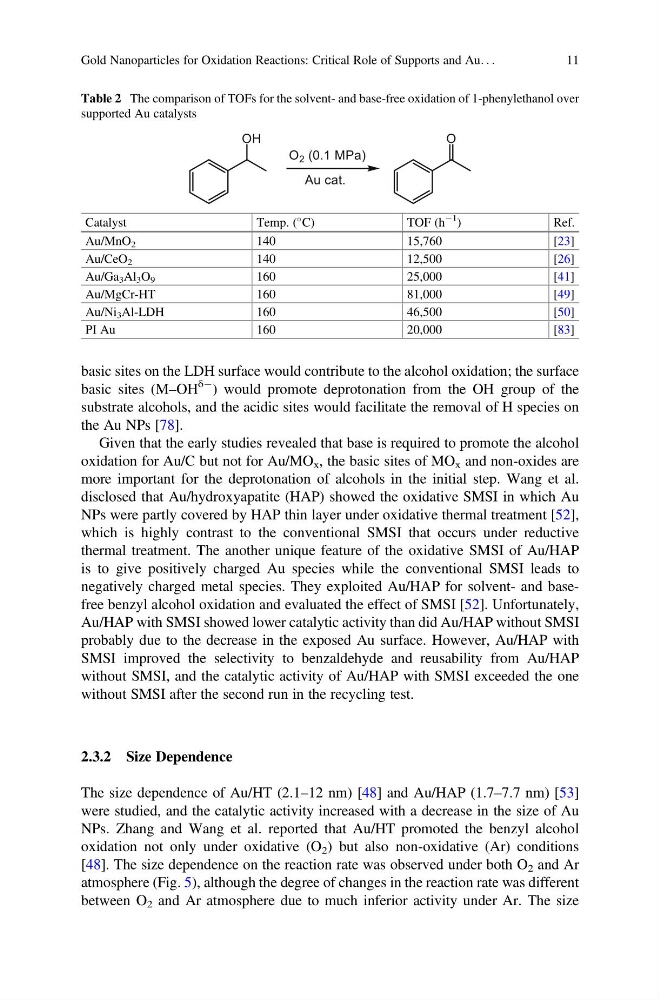
Table 2 The comparison of TOFs for the solvent- and base-free oxidation of 1-phenylethanol over
supported Au catalysts
Catalyst
Temp. (
C)
TOF (h
À1
)
Ref.
Au/MnO 2
140
15,760
[23]
Au/CeO 2
140
12,500
[26]
Au/Ga 3 Al 3 O 9
160
25,000
[41]
Au/MgCr-HT
160
81,000
[49]
Au/Ni 3 Al-LDH
160
46,500
[50]
PI Au
160
20,000
[83]
Gold Nanoparticles for Oxidation Reactions: Critical Role of Supports and Au. . .
11
basic sites (M–OH
δÀ ) would promote deprotonation from the OH group of the
substrate alcohols, and the acidic sites would facilitate the removal of H species on
the Au NPs [78].
Given that the early studies revealed that base is required to promote the alcohol
oxidation for Au/C but not for Au/MO x , the basic sites of MO x and non-oxides are
more important for the deprotonation of alcohols in the initial step. Wang et al.
disclosed that Au/hydroxyapatite (HAP) showed the oxidative SMSI in which Au
NPs were partly covered by HAP thin layer under oxidative thermal treatment [52],
which is highly contrast to the conventional SMSI that occurs under reductive
thermal treatment. The another unique feature of the oxidative SMSI of Au/HAP
is to give positively charged Au species while the conventional SMSI leads to
negatively charged metal species. They exploited Au/HAP for solvent- and basefree benzyl alcohol oxidation and evaluated the effect of SMSI [52]. Unfortunately,
Au/HAP with SMSI showed lower catalytic activity than did Au/HAP without SMSI
probably due to the decrease in the exposed Au surface. However, Au/HAP with
SMSI improved the selectivity to benzaldehyde and reusability from Au/HAP
without SMSI, and the catalytic activity of Au/HAP with SMSI exceeded the one
without SMSI after the second run in the recycling test.
2.3.2 Size Dependence
The size dependence of Au/HT (2.1–12 nm) [48] and Au/HAP (1.7–7.7 nm) [53]
were studied, and the catalytic activity increased with a decrease in the size of Au
NPs. Zhang and Wang et al. reported that Au/HT promoted the benzyl alcohol
oxidation not only under oxidative (O 2 ) but also non-oxidative (Ar) conditions
[48]. The size dependence on the reaction rate was observed under both O 2 and Ar
atmosphere (Fig. 5), although the degree of changes in the reaction rate was different
between O 2 and Ar atmosphere due to much inferior activity under Ar. The size
Table 2 The comparison of TOFs for the solvent- and base-free oxidation of 1-phenylethanol over
supported Au catalysts
Catalyst
Temp. (
C)
TOF (h
À1
)
Ref.
Au/MnO 2
140
15,760
[23]
Au/CeO 2
140
12,500
[26]
Au/Ga 3 Al 3 O 9
160
25,000
[41]
Au/MgCr-HT
160
81,000
[49]
Au/Ni 3 Al-LDH
160
46,500
[50]
PI Au
160
20,000
[83]
Gold Nanoparticles for Oxidation Reactions: Critical Role of Supports and Au. . .
11