

114
B. R. Baker et al.
Sludge
aƩached
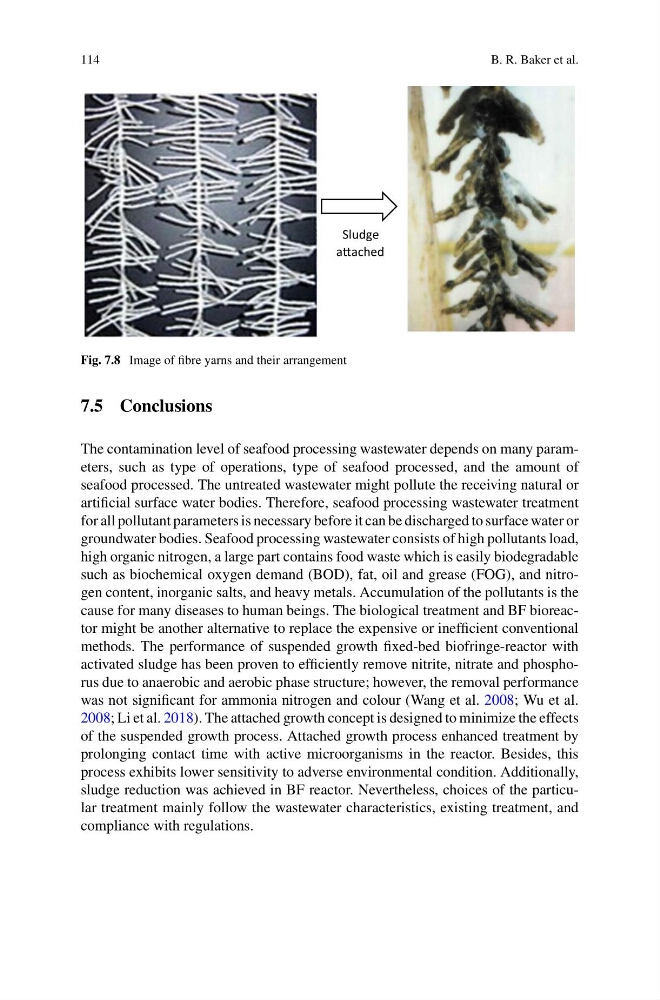
Fig. 7.8 Image of fibre yarns and their arrangement
7.5 Conclusions
The contamination level of seafood processing wastewater depends on many parameters, such as type of operations, type of seafood processed, and the amount of
seafood processed. The untreated wastewater might pollute the receiving natural or
artificial surface water bodies. Therefore, seafood processing wastewater treatment
for all pollutant parameters is necessary before it can be discharged to surface water or
groundwater bodies. Seafood processing wastewater consists of high pollutants load,
high organic nitrogen, a large part contains food waste which is easily biodegradable
such as biochemical oxygen demand (BOD), fat, oil and grease (FOG), and nitrogen content, inorganic salts, and heavy metals. Accumulation of the pollutants is the
cause for many diseases to human beings. The biological treatment and BF bioreactor might be another alternative to replace the expensive or inefficient conventional
methods. The performance of suspended growth fixed-bed biofringe-reactor with
activated sludge has been proven to efficiently remove nitrite, nitrate and phosphorus due to anaerobic and aerobic phase structure; however, the removal performance
was not significant for ammonia nitrogen and colour (Wang et al. 2008; Wu et al.
2008; Li et al. 2018). The attached growth concept is designed to minimize the effects
of the suspended growth process. Attached growth process enhanced treatment by
prolonging contact time with active microorganisms in the reactor. Besides, this
process exhibits lower sensitivity to adverse environmental condition. Additionally,
sludge reduction was achieved in BF reactor. Nevertheless, choices of the particular treatment mainly follow the wastewater characteristics, existing treatment, and
compliance with regulations.
B. R. Baker et al.
Sludge
aƩached
Fig. 7.8 Image of fibre yarns and their arrangement
7.5 Conclusions
The contamination level of seafood processing wastewater depends on many parameters, such as type of operations, type of seafood processed, and the amount of
seafood processed. The untreated wastewater might pollute the receiving natural or
artificial surface water bodies. Therefore, seafood processing wastewater treatment
for all pollutant parameters is necessary before it can be discharged to surface water or
groundwater bodies. Seafood processing wastewater consists of high pollutants load,
high organic nitrogen, a large part contains food waste which is easily biodegradable
such as biochemical oxygen demand (BOD), fat, oil and grease (FOG), and nitrogen content, inorganic salts, and heavy metals. Accumulation of the pollutants is the
cause for many diseases to human beings. The biological treatment and BF bioreactor might be another alternative to replace the expensive or inefficient conventional
methods. The performance of suspended growth fixed-bed biofringe-reactor with
activated sludge has been proven to efficiently remove nitrite, nitrate and phosphorus due to anaerobic and aerobic phase structure; however, the removal performance
was not significant for ammonia nitrogen and colour (Wang et al. 2008; Wu et al.
2008; Li et al. 2018). The attached growth concept is designed to minimize the effects
of the suspended growth process. Attached growth process enhanced treatment by
prolonging contact time with active microorganisms in the reactor. Besides, this
process exhibits lower sensitivity to adverse environmental condition. Additionally,
sludge reduction was achieved in BF reactor. Nevertheless, choices of the particular treatment mainly follow the wastewater characteristics, existing treatment, and
compliance with regulations.