

110
B. R. Baker et al.
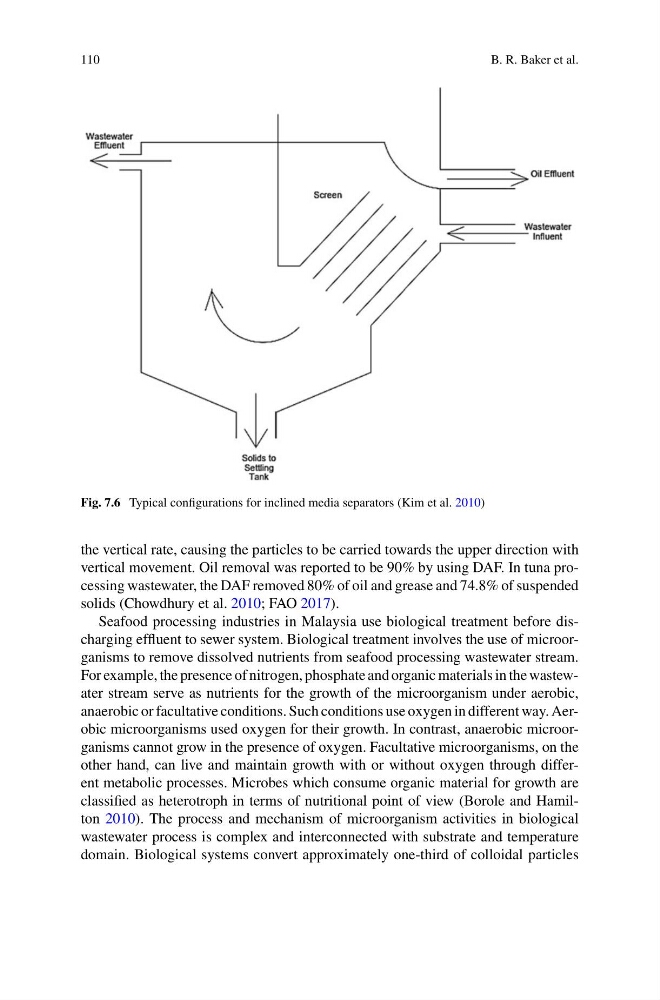
Fig. 7.6 Typical configurations for inclined media separators (Kim et al. 2010)
the vertical rate, causing the particles to be carried towards the upper direction with
vertical movement. Oil removal was reported to be 90% by using DAF. In tuna processing wastewater, the DAF removed 80% of oil and grease and 74.8% of suspended
solids (Chowdhury et al. 2010; FAO 2017).
Seafood processing industries in Malaysia use biological treatment before discharging effluent to sewer system. Biological treatment involves the use of microorganisms to remove dissolved nutrients from seafood processing wastewater stream.
For example, the presence of nitrogen, phosphate and organic materials in the wastewater stream serve as nutrients for the growth of the microorganism under aerobic,
anaerobic or facultative conditions. Such conditions use oxygen in different way. Aerobic microorganisms used oxygen for their growth. In contrast, anaerobic microorganisms cannot grow in the presence of oxygen. Facultative microorganisms, on the
other hand, can live and maintain growth with or without oxygen through different metabolic processes. Microbes which consume organic material for growth are
classified as heterotroph in terms of nutritional point of view (Borole and Hamilton 2010). The process and mechanism of microorganism activities in biological
wastewater process is complex and interconnected with substrate and temperature
domain. Biological systems convert approximately one-third of colloidal particles
B. R. Baker et al.
Fig. 7.6 Typical configurations for inclined media separators (Kim et al. 2010)
the vertical rate, causing the particles to be carried towards the upper direction with
vertical movement. Oil removal was reported to be 90% by using DAF. In tuna processing wastewater, the DAF removed 80% of oil and grease and 74.8% of suspended
solids (Chowdhury et al. 2010; FAO 2017).
Seafood processing industries in Malaysia use biological treatment before discharging effluent to sewer system. Biological treatment involves the use of microorganisms to remove dissolved nutrients from seafood processing wastewater stream.
For example, the presence of nitrogen, phosphate and organic materials in the wastewater stream serve as nutrients for the growth of the microorganism under aerobic,
anaerobic or facultative conditions. Such conditions use oxygen in different way. Aerobic microorganisms used oxygen for their growth. In contrast, anaerobic microorganisms cannot grow in the presence of oxygen. Facultative microorganisms, on the
other hand, can live and maintain growth with or without oxygen through different metabolic processes. Microbes which consume organic material for growth are
classified as heterotroph in terms of nutritional point of view (Borole and Hamilton 2010). The process and mechanism of microorganism activities in biological
wastewater process is complex and interconnected with substrate and temperature
domain. Biological systems convert approximately one-third of colloidal particles