

7 Reduction of Seafood Processing Wastewater …
107
High Volume Low Strength wastes
Low Volume High Strength wastes
Water used for"fluming
Water used for unloading
Water used for"transporƟng
Handling fish the wash down
The boat bilge water
Fish preparaƟon water
SƟck water
Fish meal processing
Seafood Wastewater
Industries
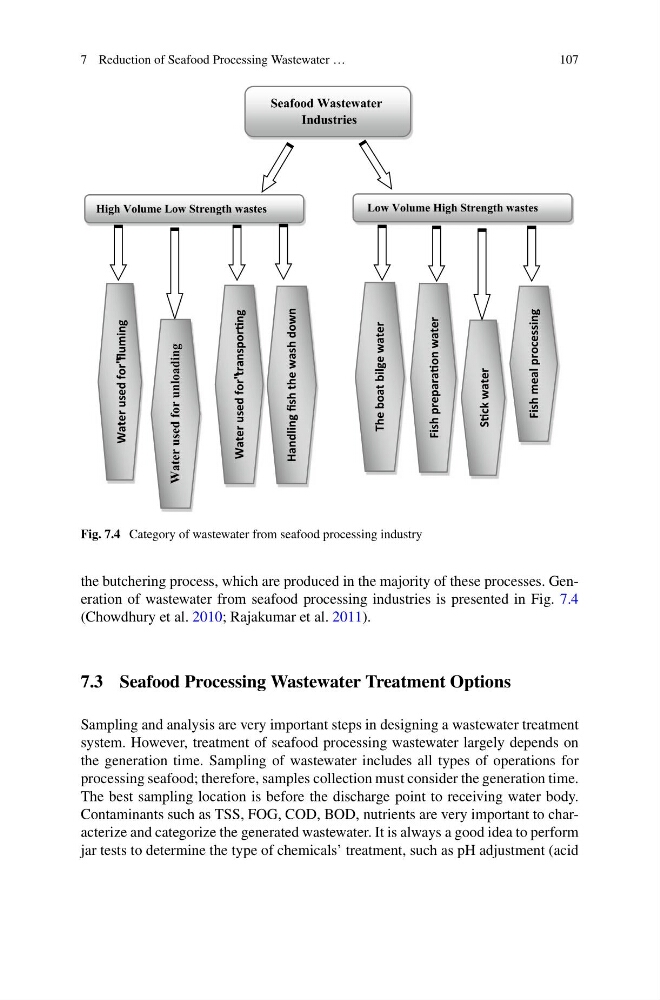
Fig. 7.4 Category of wastewater from seafood processing industry
the butchering process, which are produced in the majority of these processes. Generation of wastewater from seafood processing industries is presented in Fig. 7.4
(Chowdhury et al. 2010; Rajakumar et al. 2011).
7.3 Seafood Processing Wastewater Treatment Options
Sampling and analysis are very important steps in designing a wastewater treatment
system. However, treatment of seafood processing wastewater largely depends on
the generation time. Sampling of wastewater includes all types of operations for
processing seafood; therefore, samples collection must consider the generation time.
The best sampling location is before the discharge point to receiving water body.
Contaminants such as TSS, FOG, COD, BOD, nutrients are very important to characterize and categorize the generated wastewater. It is always a good idea to perform
jar tests to determine the type of chemicals’ treatment, such as pH adjustment (acid
107
High Volume Low Strength wastes
Low Volume High Strength wastes
Water used for"fluming
Water used for unloading
Water used for"transporƟng
Handling fish the wash down
The boat bilge water
Fish preparaƟon water
SƟck water
Fish meal processing
Seafood Wastewater
Industries
Fig. 7.4 Category of wastewater from seafood processing industry
the butchering process, which are produced in the majority of these processes. Generation of wastewater from seafood processing industries is presented in Fig. 7.4
(Chowdhury et al. 2010; Rajakumar et al. 2011).
7.3 Seafood Processing Wastewater Treatment Options
Sampling and analysis are very important steps in designing a wastewater treatment
system. However, treatment of seafood processing wastewater largely depends on
the generation time. Sampling of wastewater includes all types of operations for
processing seafood; therefore, samples collection must consider the generation time.
The best sampling location is before the discharge point to receiving water body.
Contaminants such as TSS, FOG, COD, BOD, nutrients are very important to characterize and categorize the generated wastewater. It is always a good idea to perform
jar tests to determine the type of chemicals’ treatment, such as pH adjustment (acid