

18.3 Sources of Organic Fertilizers in Agriculture
As indicated previously, organic fertilizers are those that are derived from living
materials, which means these are mainly of plant or animal origins. However, though
organic fertilizers are mostly described as being derived from living materials, there
are mineral sources that have been accepted as nutrient sources in organic agriculture
and these include dolomitic limestone, sulphur, greensand, Epsom salts and rock
phosphate (Green 2019; Lavison 2013). For this chapter, the sources of organic
fertilizers discussed include farmyard manure composts; urban waste and sewage
sludge; cover crops and green manure; compost leachates and animal urine; mineral
fertilizers and vermicomposts.
18.3.1 Farmyard Manure Composts
The use of animal manures such as cow dung, sheep, pig, poultry, goat and horse
manures as sources of nutrients in agriculture dates back to several centuries ago
(Loss et al. 2019). However, though rich in nutrients, these animal manures are not
suitable for direct application for plant nutrition as most of the nutrients present are
organically bound and require mineralization to convert the organic nutrients into
inorganic forms required for plant nutrition. Composting is one of the most popular
methods that have been used to convert farmyard manures into effective nutrient
sources (Mupambwa et al. 2015). The composting process involves the accelerated
aerobic degradation of organic matter by microorganisms under controlled
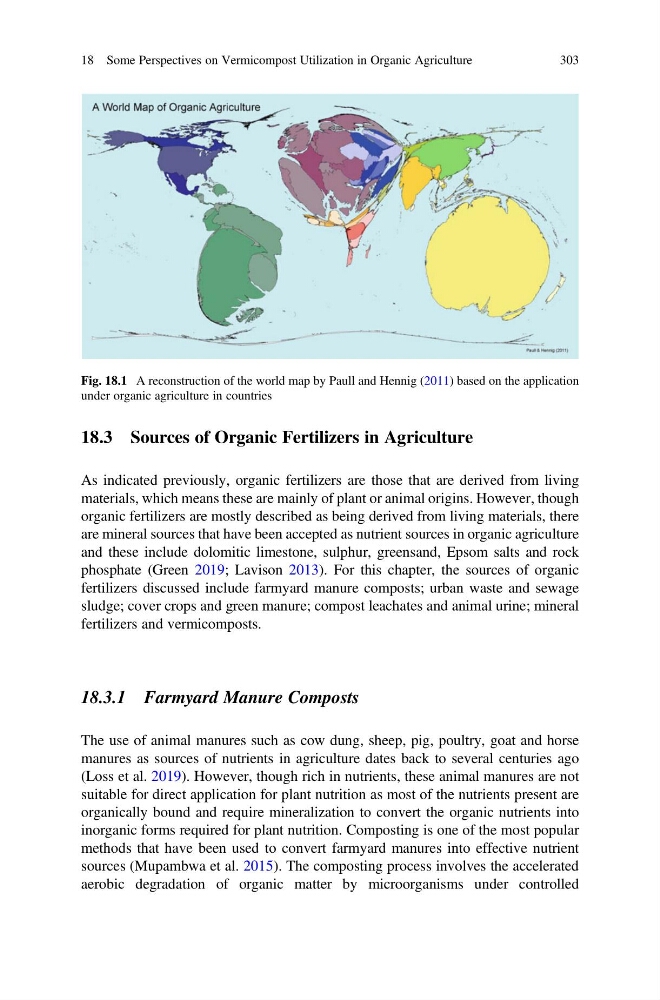
Fig. 18.1 A reconstruction of the world map by Paull and Hennig (2011) based on the application
under organic agriculture in countries
18 Some Perspectives on Vermicompost Utilization in Organic Agriculture
303
As indicated previously, organic fertilizers are those that are derived from living
materials, which means these are mainly of plant or animal origins. However, though
organic fertilizers are mostly described as being derived from living materials, there
are mineral sources that have been accepted as nutrient sources in organic agriculture
and these include dolomitic limestone, sulphur, greensand, Epsom salts and rock
phosphate (Green 2019; Lavison 2013). For this chapter, the sources of organic
fertilizers discussed include farmyard manure composts; urban waste and sewage
sludge; cover crops and green manure; compost leachates and animal urine; mineral
fertilizers and vermicomposts.
18.3.1 Farmyard Manure Composts
The use of animal manures such as cow dung, sheep, pig, poultry, goat and horse
manures as sources of nutrients in agriculture dates back to several centuries ago
(Loss et al. 2019). However, though rich in nutrients, these animal manures are not
suitable for direct application for plant nutrition as most of the nutrients present are
organically bound and require mineralization to convert the organic nutrients into
inorganic forms required for plant nutrition. Composting is one of the most popular
methods that have been used to convert farmyard manures into effective nutrient
sources (Mupambwa et al. 2015). The composting process involves the accelerated
aerobic degradation of organic matter by microorganisms under controlled
Fig. 18.1 A reconstruction of the world map by Paull and Hennig (2011) based on the application
under organic agriculture in countries
18 Some Perspectives on Vermicompost Utilization in Organic Agriculture
303