

added at an angle of 45
o which makes a ‘wedge’ to the existing windrow. Worms for
the most part move along the sides overburdened by the load of organic wastes. In
this system, earthworm’s move from the deeper layers of organic wastes to the fresh
organic matter at the surface of wedge, and therefore entire population of earthworms are found to be concentrated approximately one foot below the angled
surface. In the long run, following 3–7 months, fertilizer is gathered from the feed
depending upon the nature of waste.
10.6.2 Continuous Flow Through the System
The system comprises of large containers mostly raised above the ground, and the
organic wastes are added in thin layers at regular intervals. Vermicompost are
collected mechanically from the bottom. For the most part, a pit is built with concrete
surface to counteract the entrance of predators. This strategy is for the most part
utilized for indoor set up. Here, the feed is dumped in one corner of the pit and given
consistently once a week. Earthworm populations in such reactors reach a population
density of about 9–10 kg/m
2 . The procedure gains its importance over windrows in
several aspects such as quick returns of capitals, low labor cost, high rate of waste
turnover, and most importantly less leaching of nutrients.
Since vermicomposting is a non-thermophilic process no significant changes in
temperature are done, only a course of adequate air circulation is performed. This
facilitates the earthworm to flourish well inside the vermireactor. Consistent move
through the vermireactor is commonly made with poly-vinyl chloride, and bedding
is finished with the piece of paper or cardboard at a greatest thickness of 30 cm. The
a
b
c
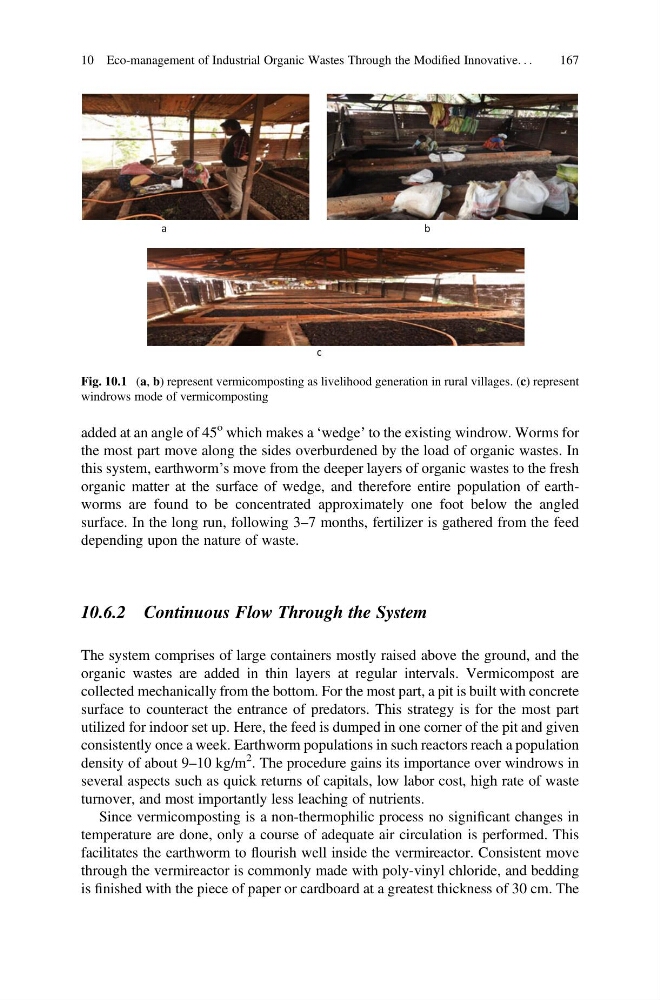
Fig. 10.1 (a, b) represent vermicomposting as livelihood generation in rural villages. (c) represent
windrows mode of vermicomposting
10 Eco-management of Industrial Organic Wastes Through the Modified Innovative. . .
167
o which makes a ‘wedge’ to the existing windrow. Worms for
the most part move along the sides overburdened by the load of organic wastes. In
this system, earthworm’s move from the deeper layers of organic wastes to the fresh
organic matter at the surface of wedge, and therefore entire population of earthworms are found to be concentrated approximately one foot below the angled
surface. In the long run, following 3–7 months, fertilizer is gathered from the feed
depending upon the nature of waste.
10.6.2 Continuous Flow Through the System
The system comprises of large containers mostly raised above the ground, and the
organic wastes are added in thin layers at regular intervals. Vermicompost are
collected mechanically from the bottom. For the most part, a pit is built with concrete
surface to counteract the entrance of predators. This strategy is for the most part
utilized for indoor set up. Here, the feed is dumped in one corner of the pit and given
consistently once a week. Earthworm populations in such reactors reach a population
density of about 9–10 kg/m
2 . The procedure gains its importance over windrows in
several aspects such as quick returns of capitals, low labor cost, high rate of waste
turnover, and most importantly less leaching of nutrients.
Since vermicomposting is a non-thermophilic process no significant changes in
temperature are done, only a course of adequate air circulation is performed. This
facilitates the earthworm to flourish well inside the vermireactor. Consistent move
through the vermireactor is commonly made with poly-vinyl chloride, and bedding
is finished with the piece of paper or cardboard at a greatest thickness of 30 cm. The
a
b
c
Fig. 10.1 (a, b) represent vermicomposting as livelihood generation in rural villages. (c) represent
windrows mode of vermicomposting
10 Eco-management of Industrial Organic Wastes Through the Modified Innovative. . .
167