

493
Moving forward, we recommend that standard protocols for conducting toxicity
tests with oil and dispersants (CROSERF; Carney et al. 2016) should be updated to
provide standard methods for future oil spill events that include the array of potential oil spill scenarios, oil types, and response options. Developments in analytical
chemistry and molecular analyses have led to a far greater understanding of chemical exposure/fate and biological mechanisms of action and effect and need to be
incorporated into these new standard protocols (also see- Digging Deeper than LC/
EC50: Assessing pathways of exposure, non-traditional endpoints and non-model
species in oil spill toxicology (Grosell et al. 2020) and Modernizing Protocols for
Aquatic Toxicity Testing of Oil and Dispersant (Vol. 2 Mitchelmore et al. Chap. 13).
Specific recommendations of this chapter include:
• Expansion of number of standard test species to include those more relevant to
the spill site, including sensitive and understudied species.
• Conduct more environmentally relevant exposures i.e. longer-term, chronic, sublethal endpoints. Consideration of changing exposure characteristics (chemistry,
etc.) over time.
• Specific minimum criteria required to conduct and interpret toxicity tests based
on what they are being used for (e.g. minimum selection criteria for inclusion
into toxicity models).
• Record toxicity data at multiple and earlier time points to assess additional endpoints, e.g. time to death (i.e. LT50).
• Studies that account for the relative contribution of oil droplets and truly dissolved fractions in exposure solutions.
• Minimum list of analytical chemistry to be completed of test exposure solutions
dependent upon questions being asked and study design approach.
• Specific guidelines on laboratory lighting (i.e. timing and spectral quantity and
quality [UV light]).
Toxicity at 48hrs
5 0% Dead
5 0% Dead
No Mortality
No Mortality
Oil mg L
-1
0.2 mg L
-1
0.2 mg L
-1
0.2 mg L
-1
0 mg L
-1
20 mg L
-1
20 mg L
-1
0.02 mg L
-1
0.2 mg L
-1
Oil mg L
-1
(dissolved+parƟculate)
(dissolved)
Highly Toxic
Slightly Toxic
Non Toxic
N on Toxic
Dissolved
Oil droplets
(A)
(B)
(C)
(D)
Dissolved PAHs
Dissolved PAHs
+
7 droplets
No dissolved PAHs
+
1 droplet
10x less dissolved PAHs
+
7 droplets
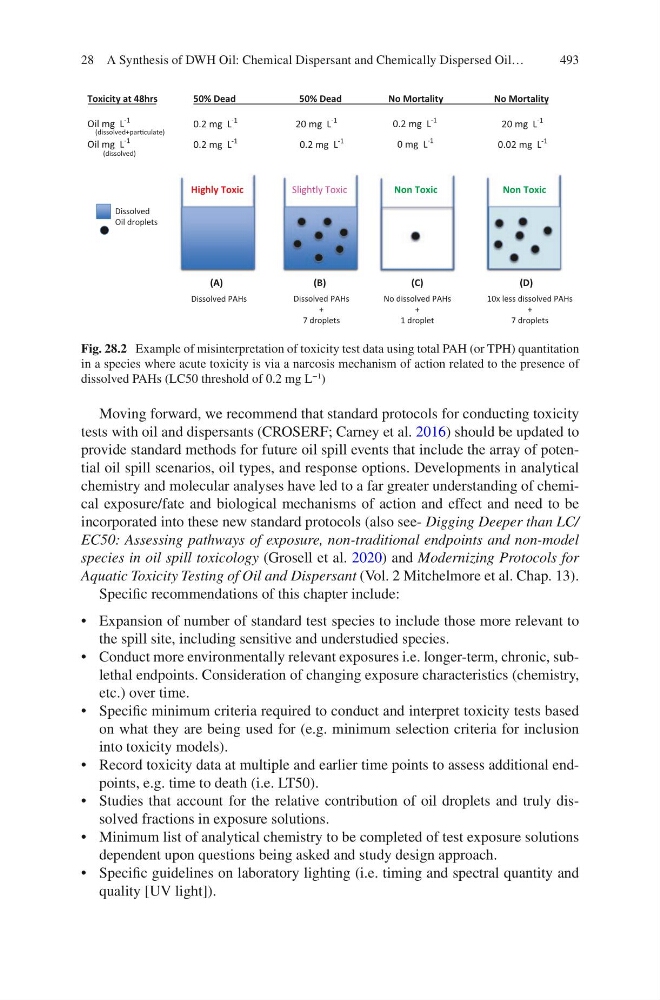
Fig. 28.2 Example of misinterpretation of toxicity test data using total PAH (or TPH) quantitation
in a species where acute toxicity is via a narcosis mechanism of action related to the presence of
dissolved PAHs (LC50 threshold of 0.2 mg L
−1 )
28 A Synthesis of DWH Oil: Chemical Dispersant and Chemically Dispersed Oil…
Moving forward, we recommend that standard protocols for conducting toxicity
tests with oil and dispersants (CROSERF; Carney et al. 2016) should be updated to
provide standard methods for future oil spill events that include the array of potential oil spill scenarios, oil types, and response options. Developments in analytical
chemistry and molecular analyses have led to a far greater understanding of chemical exposure/fate and biological mechanisms of action and effect and need to be
incorporated into these new standard protocols (also see- Digging Deeper than LC/
EC50: Assessing pathways of exposure, non-traditional endpoints and non-model
species in oil spill toxicology (Grosell et al. 2020) and Modernizing Protocols for
Aquatic Toxicity Testing of Oil and Dispersant (Vol. 2 Mitchelmore et al. Chap. 13).
Specific recommendations of this chapter include:
• Expansion of number of standard test species to include those more relevant to
the spill site, including sensitive and understudied species.
• Conduct more environmentally relevant exposures i.e. longer-term, chronic, sublethal endpoints. Consideration of changing exposure characteristics (chemistry,
etc.) over time.
• Specific minimum criteria required to conduct and interpret toxicity tests based
on what they are being used for (e.g. minimum selection criteria for inclusion
into toxicity models).
• Record toxicity data at multiple and earlier time points to assess additional endpoints, e.g. time to death (i.e. LT50).
• Studies that account for the relative contribution of oil droplets and truly dissolved fractions in exposure solutions.
• Minimum list of analytical chemistry to be completed of test exposure solutions
dependent upon questions being asked and study design approach.
• Specific guidelines on laboratory lighting (i.e. timing and spectral quantity and
quality [UV light]).
Toxicity at 48hrs
5 0% Dead
5 0% Dead
No Mortality
No Mortality
Oil mg L
-1
0.2 mg L
-1
0.2 mg L
-1
0.2 mg L
-1
0 mg L
-1
20 mg L
-1
20 mg L
-1
0.02 mg L
-1
0.2 mg L
-1
Oil mg L
-1
(dissolved+parƟculate)
(dissolved)
Highly Toxic
Slightly Toxic
Non Toxic
N on Toxic
Dissolved
Oil droplets
(A)
(B)
(C)
(D)
Dissolved PAHs
Dissolved PAHs
+
7 droplets
No dissolved PAHs
+
1 droplet
10x less dissolved PAHs
+
7 droplets
Fig. 28.2 Example of misinterpretation of toxicity test data using total PAH (or TPH) quantitation
in a species where acute toxicity is via a narcosis mechanism of action related to the presence of
dissolved PAHs (LC50 threshold of 0.2 mg L
−1 )
28 A Synthesis of DWH Oil: Chemical Dispersant and Chemically Dispersed Oil…