

2.2 Pre-treatment Technologies of Anaerobic Fermentation
15
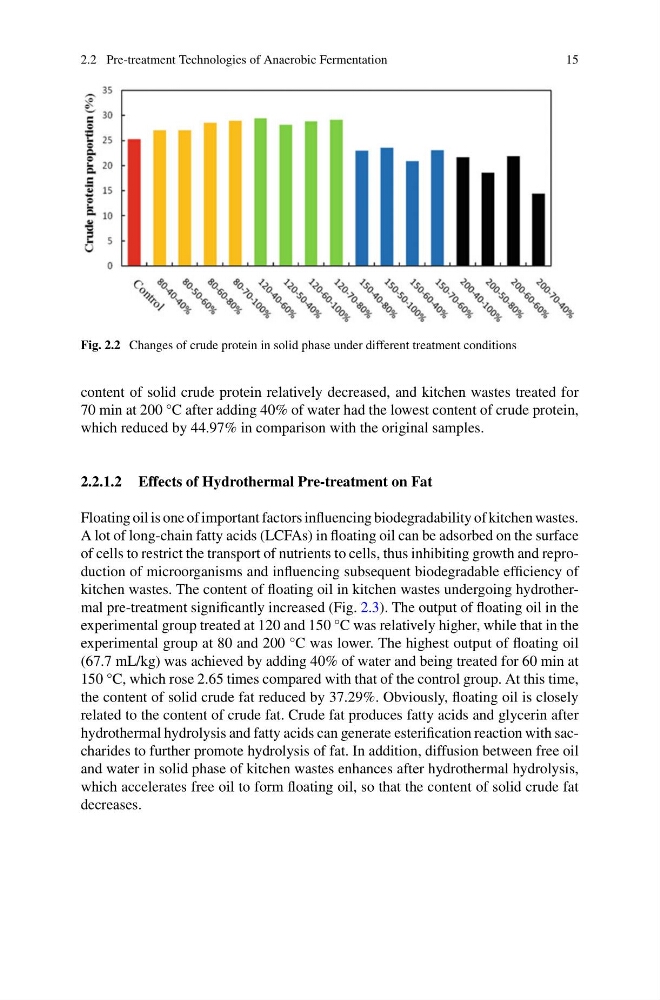
Fig. 2.2 Changes of crude protein in solid phase under different treatment conditions
content of solid crude protein relatively decreased, and kitchen wastes treated for
70 min at 200 °C after adding 40% of water had the lowest content of crude protein,
which reduced by 44.97% in comparison with the original samples.
2.2.1.2 Effects of Hydrothermal Pre-treatment on Fat
Floating oil is one of important factors influencing biodegradability of kitchen wastes.
A lot of long-chain fatty acids (LCFAs) in floating oil can be adsorbed on the surface
of cells to restrict the transport of nutrients to cells, thus inhibiting growth and reproduction of microorganisms and influencing subsequent biodegradable efficiency of
kitchen wastes. The content of floating oil in kitchen wastes undergoing hydrothermal pre-treatment significantly increased (Fig. 2.3). The output of floating oil in the
experimental group treated at 120 and 150 °C was relatively higher, while that in the
experimental group at 80 and 200 °C was lower. The highest output of floating oil
(67.7 mL/kg) was achieved by adding 40% of water and being treated for 60 min at
150 °C, which rose 2.65 times compared with that of the control group. At this time,
the content of solid crude fat reduced by 37.29%. Obviously, floating oil is closely
related to the content of crude fat. Crude fat produces fatty acids and glycerin after
hydrothermal hydrolysis and fatty acids can generate esterification reaction with saccharides to further promote hydrolysis of fat. In addition, diffusion between free oil
and water in solid phase of kitchen wastes enhances after hydrothermal hydrolysis,
which accelerates free oil to form floating oil, so that the content of solid crude fat
decreases.
15
Fig. 2.2 Changes of crude protein in solid phase under different treatment conditions
content of solid crude protein relatively decreased, and kitchen wastes treated for
70 min at 200 °C after adding 40% of water had the lowest content of crude protein,
which reduced by 44.97% in comparison with the original samples.
2.2.1.2 Effects of Hydrothermal Pre-treatment on Fat
Floating oil is one of important factors influencing biodegradability of kitchen wastes.
A lot of long-chain fatty acids (LCFAs) in floating oil can be adsorbed on the surface
of cells to restrict the transport of nutrients to cells, thus inhibiting growth and reproduction of microorganisms and influencing subsequent biodegradable efficiency of
kitchen wastes. The content of floating oil in kitchen wastes undergoing hydrothermal pre-treatment significantly increased (Fig. 2.3). The output of floating oil in the
experimental group treated at 120 and 150 °C was relatively higher, while that in the
experimental group at 80 and 200 °C was lower. The highest output of floating oil
(67.7 mL/kg) was achieved by adding 40% of water and being treated for 60 min at
150 °C, which rose 2.65 times compared with that of the control group. At this time,
the content of solid crude fat reduced by 37.29%. Obviously, floating oil is closely
related to the content of crude fat. Crude fat produces fatty acids and glycerin after
hydrothermal hydrolysis and fatty acids can generate esterification reaction with saccharides to further promote hydrolysis of fat. In addition, diffusion between free oil
and water in solid phase of kitchen wastes enhances after hydrothermal hydrolysis,
which accelerates free oil to form floating oil, so that the content of solid crude fat
decreases.