

2.3 Field Methods
51
Some sampling activities may require obtaining special permission, particularly those activities in designated wilderness areas. It may not be possible
to obtain permission to install equipment such as a stream gauge in the most
highly protected areas. Plan for early coordination with land managers and
natural resource professionals regarding all monitoring programs.
It is important to obtain any necessary permits or access permissions
prior to finalizing the sample site list. It can also be helpful to preselect
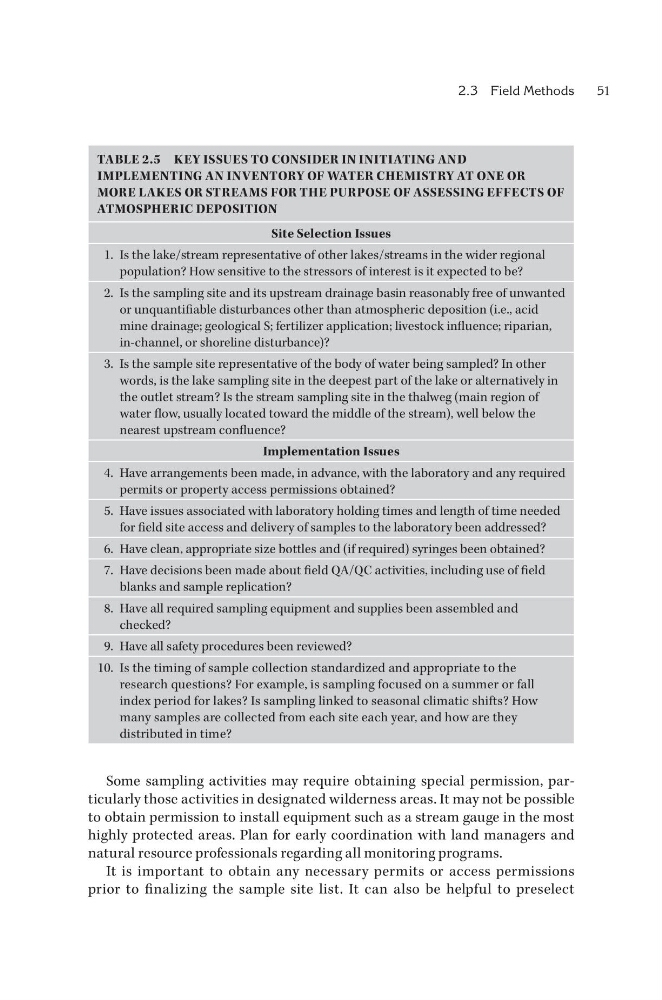
TABLE 2.5 KEY ISSUES TO CONSIDER IN INITIATING AND
IMPLEMENTING AN INVENTORY OF WATER CHEMISTRY AT ONE OR
MORE LAKES OR STREAMS FOR THE PURPOSE OF ASSESSING EFFECTS OF
ATMOSPHERIC DEPOSITION
Site Selection Issues
1. Is the lake/stream representative of other lakes/streams in the wider regional
population? How sensitive to the stressors of interest is it expected to be?
2. Is the sampling site and its upstream drainage basin reasonably free of unwanted
or unquantifiable disturbances other than atmospheric deposition (i.e., acid
mine drainage; geological S; fertilizer application; livestock influence; riparian,
in-channel, or shoreline disturbance)?
3. Is the sample site representative of the body of water being sampled? In other
words, is the lake sampling site in the deepest part of the lake or alternatively in
the outlet stream? Is the stream sampling site in the thalweg (main region of
water flow, usually located toward the middle of the stream), well below the
nearest upstream confluence?
Implementation Issues
4. Have arrangements been made, in advance, with the laboratory and any required
permits or property access permissions obtained?
5. Have issues associated with laboratory holding times and length of time needed
for field site access and delivery of samples to the laboratory been addressed?
6. Have clean, appropriate size bottles and (if required) syringes been obtained?
7. Have decisions been made about field QA/QC activities, including use of field
blanks and sample replication?
8. Have all required sampling equipment and supplies been assembled and
checked?
9. Have all safety procedures been reviewed?
10. Is the timing of sample collection standardized and appropriate to the
research questions? For example, is sampling focused on a summer or fall
index period for lakes? Is sampling linked to seasonal climatic shifts? How
many samples are collected from each site each year, and how are they
distributed in time?
51
Some sampling activities may require obtaining special permission, particularly those activities in designated wilderness areas. It may not be possible
to obtain permission to install equipment such as a stream gauge in the most
highly protected areas. Plan for early coordination with land managers and
natural resource professionals regarding all monitoring programs.
It is important to obtain any necessary permits or access permissions
prior to finalizing the sample site list. It can also be helpful to preselect
TABLE 2.5 KEY ISSUES TO CONSIDER IN INITIATING AND
IMPLEMENTING AN INVENTORY OF WATER CHEMISTRY AT ONE OR
MORE LAKES OR STREAMS FOR THE PURPOSE OF ASSESSING EFFECTS OF
ATMOSPHERIC DEPOSITION
Site Selection Issues
1. Is the lake/stream representative of other lakes/streams in the wider regional
population? How sensitive to the stressors of interest is it expected to be?
2. Is the sampling site and its upstream drainage basin reasonably free of unwanted
or unquantifiable disturbances other than atmospheric deposition (i.e., acid
mine drainage; geological S; fertilizer application; livestock influence; riparian,
in-channel, or shoreline disturbance)?
3. Is the sample site representative of the body of water being sampled? In other
words, is the lake sampling site in the deepest part of the lake or alternatively in
the outlet stream? Is the stream sampling site in the thalweg (main region of
water flow, usually located toward the middle of the stream), well below the
nearest upstream confluence?
Implementation Issues
4. Have arrangements been made, in advance, with the laboratory and any required
permits or property access permissions obtained?
5. Have issues associated with laboratory holding times and length of time needed
for field site access and delivery of samples to the laboratory been addressed?
6. Have clean, appropriate size bottles and (if required) syringes been obtained?
7. Have decisions been made about field QA/QC activities, including use of field
blanks and sample replication?
8. Have all required sampling equipment and supplies been assembled and
checked?
9. Have all safety procedures been reviewed?
10. Is the timing of sample collection standardized and appropriate to the
research questions? For example, is sampling focused on a summer or fall
index period for lakes? Is sampling linked to seasonal climatic shifts? How
many samples are collected from each site each year, and how are they
distributed in time?