

1.1 Background
13
objectives to specific questions. These questions should consider elements of
subject, location, time, trend, degree, and population of interest (Table 1.5).
A well-conceived plan for water quality sampling should be (Eilers 2007)
• relevant to the intended beneficial uses of the waters,
• specific with respect to sampling locations, depths, parameters,
schedule, and methods,
• consistent with approved methods,
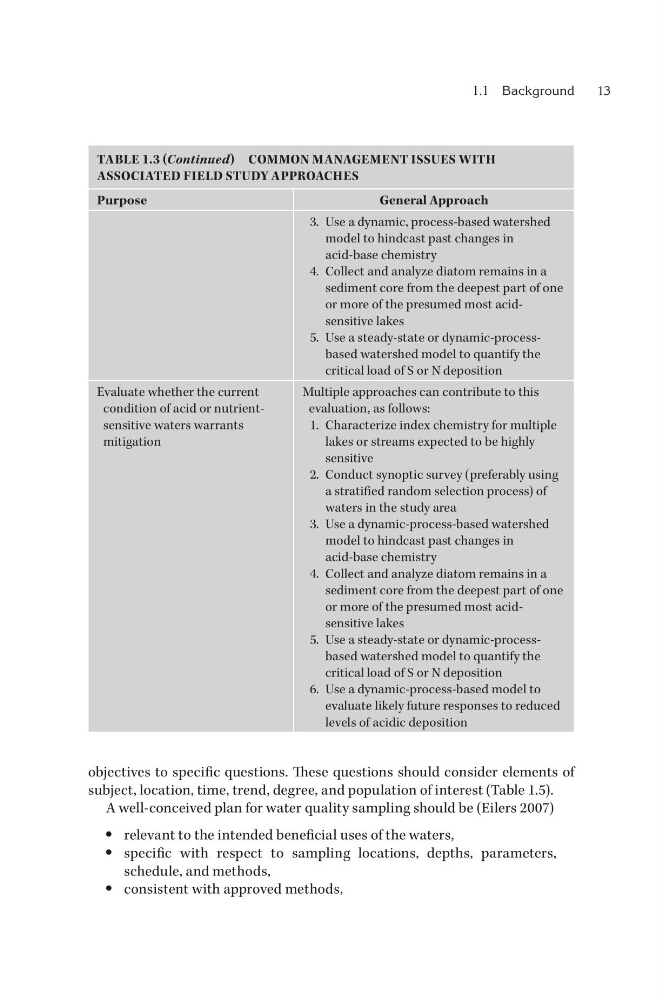
TABLE 1.3 (Continued) COMMON MANAGEMENT ISSUES WITH
ASSOCIATED FIELD STUDY APPROACHES
Purpose
General Approach
3. Use a dynamic, process-based watershed
model to hindcast past changes in
acid-base chemistry
4. Collect and analyze diatom remains in a
sediment core from the deepest part of one
or more of the presumed most acidsensitive lakes
5. Use a steady-state or dynamic-processbased watershed model to quantify the
critical load of S or N deposition
Evaluate whether the current
condition of acid or nutrientsensitive waters warrants
mitigation
Multiple approaches can contribute to this
evaluation, as follows:
1. Characterize index chemistry for multiple
lakes or streams expected to be highly
sensitive
2. Conduct synoptic survey (preferably using
a stratified random selection process) of
waters in the study area
3. Use a dynamic-process-based watershed
model to hindcast past changes in
acid-base chemistry
4. Collect and analyze diatom remains in a
sediment core from the deepest part of one
or more of the presumed most acidsensitive lakes
5. Use a steady-state or dynamic-processbased watershed model to quantify the
critical load of S or N deposition
6. Use a dynamic-process-based model to
evaluate likely future responses to reduced
levels of acidic deposition
13
objectives to specific questions. These questions should consider elements of
subject, location, time, trend, degree, and population of interest (Table 1.5).
A well-conceived plan for water quality sampling should be (Eilers 2007)
• relevant to the intended beneficial uses of the waters,
• specific with respect to sampling locations, depths, parameters,
schedule, and methods,
• consistent with approved methods,
TABLE 1.3 (Continued) COMMON MANAGEMENT ISSUES WITH
ASSOCIATED FIELD STUDY APPROACHES
Purpose
General Approach
3. Use a dynamic, process-based watershed
model to hindcast past changes in
acid-base chemistry
4. Collect and analyze diatom remains in a
sediment core from the deepest part of one
or more of the presumed most acidsensitive lakes
5. Use a steady-state or dynamic-processbased watershed model to quantify the
critical load of S or N deposition
Evaluate whether the current
condition of acid or nutrientsensitive waters warrants
mitigation
Multiple approaches can contribute to this
evaluation, as follows:
1. Characterize index chemistry for multiple
lakes or streams expected to be highly
sensitive
2. Conduct synoptic survey (preferably using
a stratified random selection process) of
waters in the study area
3. Use a dynamic-process-based watershed
model to hindcast past changes in
acid-base chemistry
4. Collect and analyze diatom remains in a
sediment core from the deepest part of one
or more of the presumed most acidsensitive lakes
5. Use a steady-state or dynamic-processbased watershed model to quantify the
critical load of S or N deposition
6. Use a dynamic-process-based model to
evaluate likely future responses to reduced
levels of acidic deposition