

Purpose and Study Design
12
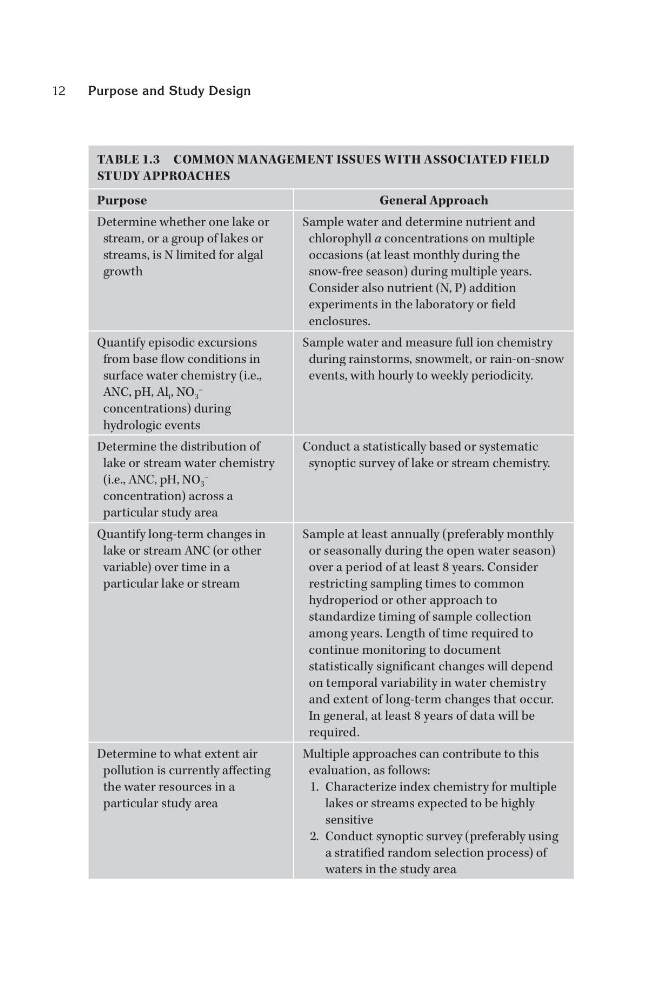
TABLE 1.3 COMMON MANAGEMENT ISSUES WITH ASSOCIATED FIELD
STUDY APPROACHES
Purpose
General Approach
Determine whether one lake or
stream, or a group of lakes or
streams, is N limited for algal
growth
Sample water and determine nutrient and
chlorophyll a concentrations on multiple
occasions (at least monthly during the
snow-free season) during multiple years.
Consider also nutrient (N, P) addition
experiments in the laboratory or field
enclosures.
Quantify episodic excursions
from base flow conditions in
surface water chemistry (i.e.,
ANC, pH, Al i , NO 3
−
concentrations) during
hydrologic events
Sample water and measure full ion chemistry
during rainstorms, snowmelt, or rain-on-snow
events, with hourly to weekly periodicity.
Determine the distribution of
lake or stream water chemistry
(i.e., ANC, pH, NO 3
−
concentration) across a
particular study area
Conduct a statistically based or systematic
synoptic survey of lake or stream chemistry.
Quantify long-term changes in
lake or stream ANC (or other
variable) over time in a
particular lake or stream
Sample at least annually (preferably monthly
or seasonally during the open water season)
over a period of at least 8 years. Consider
restricting sampling times to common
hydroperiod or other approach to
standardize timing of sample collection
among years. Length of time required to
continue monitoring to document
statistically significant changes will depend
on temporal variability in water chemistry
and extent of long-term changes that occur.
In general, at least 8 years of data will be
required.
Determine to what extent air
pollution is currently affecting
the water resources in a
particular study area
Multiple approaches can contribute to this
evaluation, as follows:
1. Characterize index chemistry for multiple
lakes or streams expected to be highly
sensitive
2. Conduct synoptic survey (preferably using
a stratified random selection process) of
waters in the study area
12
TABLE 1.3 COMMON MANAGEMENT ISSUES WITH ASSOCIATED FIELD
STUDY APPROACHES
Purpose
General Approach
Determine whether one lake or
stream, or a group of lakes or
streams, is N limited for algal
growth
Sample water and determine nutrient and
chlorophyll a concentrations on multiple
occasions (at least monthly during the
snow-free season) during multiple years.
Consider also nutrient (N, P) addition
experiments in the laboratory or field
enclosures.
Quantify episodic excursions
from base flow conditions in
surface water chemistry (i.e.,
ANC, pH, Al i , NO 3
−
concentrations) during
hydrologic events
Sample water and measure full ion chemistry
during rainstorms, snowmelt, or rain-on-snow
events, with hourly to weekly periodicity.
Determine the distribution of
lake or stream water chemistry
(i.e., ANC, pH, NO 3
−
concentration) across a
particular study area
Conduct a statistically based or systematic
synoptic survey of lake or stream chemistry.
Quantify long-term changes in
lake or stream ANC (or other
variable) over time in a
particular lake or stream
Sample at least annually (preferably monthly
or seasonally during the open water season)
over a period of at least 8 years. Consider
restricting sampling times to common
hydroperiod or other approach to
standardize timing of sample collection
among years. Length of time required to
continue monitoring to document
statistically significant changes will depend
on temporal variability in water chemistry
and extent of long-term changes that occur.
In general, at least 8 years of data will be
required.
Determine to what extent air
pollution is currently affecting
the water resources in a
particular study area
Multiple approaches can contribute to this
evaluation, as follows:
1. Characterize index chemistry for multiple
lakes or streams expected to be highly
sensitive
2. Conduct synoptic survey (preferably using
a stratified random selection process) of
waters in the study area