

Literature review
23
Chitosan-based hydrogels and composite hydrogels have been successfully utilized for wound
care, effectively cleansing wounds and burns, reducing pain, and decreasing temperature
(KORDESTANI, 2019).
These hydrogels can also be designed to incorporate various therapeutic substances, including
proteolytic enzymes and antibiotics, to accelerate the healing process. Additionally, chitosanbased bandages have demonstrated exceptional bactericidal and haemostatic properties, making
them a preferred choice for the US army and UK military in wound management. (AHMED
and IKRAM, 2017), A number of these formulations has come out to the market, like
Beschitin in Japan (based on chitin) or Hem Con in USA (based on chitosan), (ZARGAR et
al., 2015).
Studies have shown that the use of chitosan-based polymers and products can expedite wound
healing, reduce the need for frequent treatments, and provide comfortable and pain-free
protection to the wound surface. Furthermore, chitosan has been found to activate the body's
natural defence mechanisms, effectively preventing infections and offering an alternative to
antibiotics. (ŞENEL and MC-CLURE, 2004) (KORDESTANI, 2019).
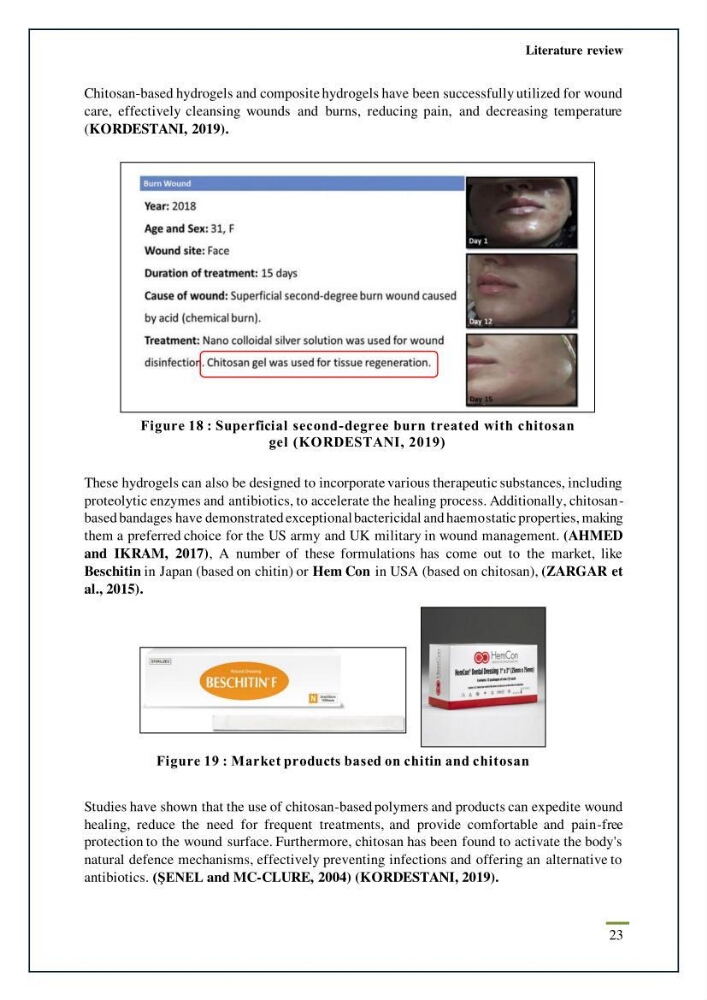
Figure 18 : Superficial second-degree burn treated with chitosan
gel (KORDESTANI, 2019)
Figure 19 : Market products based on chitin and chitosan
23
Chitosan-based hydrogels and composite hydrogels have been successfully utilized for wound
care, effectively cleansing wounds and burns, reducing pain, and decreasing temperature
(KORDESTANI, 2019).
These hydrogels can also be designed to incorporate various therapeutic substances, including
proteolytic enzymes and antibiotics, to accelerate the healing process. Additionally, chitosanbased bandages have demonstrated exceptional bactericidal and haemostatic properties, making
them a preferred choice for the US army and UK military in wound management. (AHMED
and IKRAM, 2017), A number of these formulations has come out to the market, like
Beschitin in Japan (based on chitin) or Hem Con in USA (based on chitosan), (ZARGAR et
al., 2015).
Studies have shown that the use of chitosan-based polymers and products can expedite wound
healing, reduce the need for frequent treatments, and provide comfortable and pain-free
protection to the wound surface. Furthermore, chitosan has been found to activate the body's
natural defence mechanisms, effectively preventing infections and offering an alternative to
antibiotics. (ŞENEL and MC-CLURE, 2004) (KORDESTANI, 2019).
Figure 18 : Superficial second-degree burn treated with chitosan
gel (KORDESTANI, 2019)
Figure 19 : Market products based on chitin and chitosan