

112
J. Chen et al.
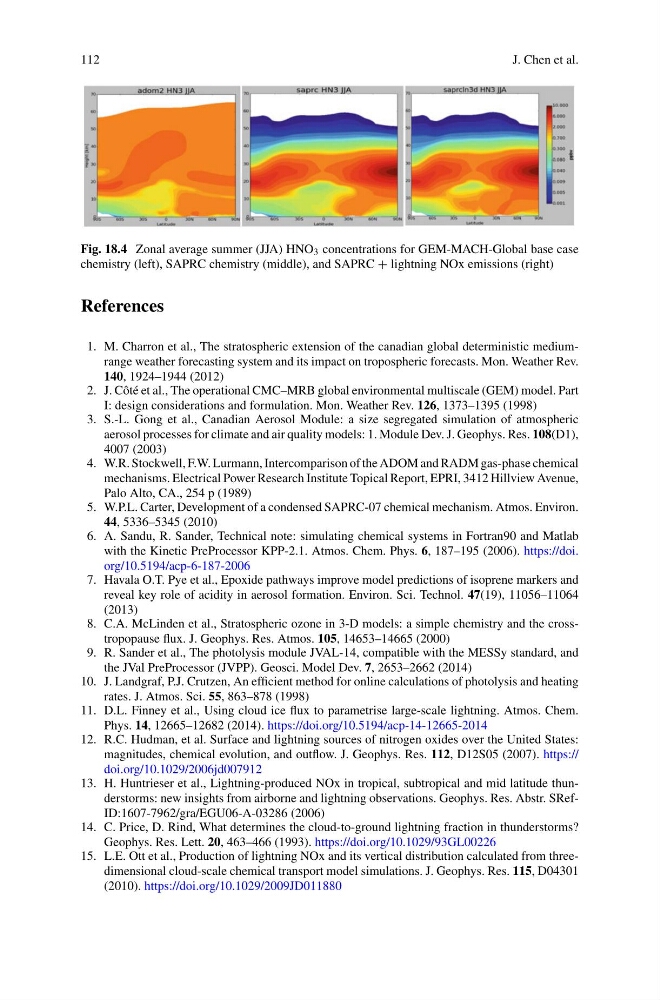
Fig. 18.4 Zonal average summer (JJA) HNO 3 concentrations for GEM-MACH-Global base case
chemistry (left), SAPRC chemistry (middle), and SAPRC + lightning NOx emissions (right)
References
1. M. Charron et al., The stratospheric extension of the canadian global deterministic mediumrange weather forecasting system and its impact on tropospheric forecasts. Mon. Weather Rev.
140, 1924–1944 (2012)
2. J. Côté et al., The operational CMC–MRB global environmental multiscale (GEM) model. Part
I: design considerations and formulation. Mon. Weather Rev. 126, 1373–1395 (1998)
3. S.-L. Gong et al., Canadian Aerosol Module: a size segregated simulation of atmospheric
aerosol processes for climate and air quality models: 1. Module Dev. J. Geophys. Res. 108(D1),
4007 (2003)
4. W.R. Stockwell, F.W. Lurmann, Intercomparison of the ADOM and RADM gas-phase chemical
mechanisms. Electrical Power Research Institute Topical Report, EPRI, 3412 Hillview Avenue,
Palo Alto, CA., 254 p (1989)
5. W.P.L. Carter, Development of a condensed SAPRC-07 chemical mechanism. Atmos. Environ.
44, 5336–5345 (2010)
6. A. Sandu, R. Sander, Technical note: simulating chemical systems in Fortran90 and Matlab
with the Kinetic PreProcessor KPP-2.1. Atmos. Chem. Phys. 6, 187–195 (2006). https://doi.
org/10.5194/acp-6-187-2006
7. Havala O.T. Pye et al., Epoxide pathways improve model predictions of isoprene markers and
reveal key role of acidity in aerosol formation. Environ. Sci. Technol. 47(19), 11056–11064
(2013)
8. C.A. McLinden et al., Stratospheric ozone in 3-D models: a simple chemistry and the crosstropopause flux. J. Geophys. Res. Atmos. 105, 14653–14665 (2000)
9. R. Sander et al., The photolysis module JVAL-14, compatible with the MESSy standard, and
the JVal PreProcessor (JVPP). Geosci. Model Dev. 7, 2653–2662 (2014)
10. J. Landgraf, P.J. Crutzen, An efficient method for online calculations of photolysis and heating
rates. J. Atmos. Sci. 55, 863–878 (1998)
11. D.L. Finney et al., Using cloud ice flux to parametrise large-scale lightning. Atmos. Chem.
Phys. 14, 12665–12682 (2014). https://doi.org/10.5194/acp-14-12665-2014
12. R.C. Hudman, et al. Surface and lightning sources of nitrogen oxides over the United States:
magnitudes, chemical evolution, and outflow. J. Geophys. Res. 112, D12S05 (2007). https://
doi.org/10.1029/2006jd007912
13. H. Huntrieser et al., Lightning-produced NOx in tropical, subtropical and mid latitude thunderstorms: new insights from airborne and lightning observations. Geophys. Res. Abstr. SRefID:1607-7962/gra/EGU06-A-03286 (2006)
14. C. Price, D. Rind, What determines the cloud-to-ground lightning fraction in thunderstorms?
Geophys. Res. Lett. 20, 463–466 (1993). https://doi.org/10.1029/93GL00226
15. L.E. Ott et al., Production of lightning NOx and its vertical distribution calculated from threedimensional cloud-scale chemical transport model simulations. J. Geophys. Res. 115, D04301
(2010). https://doi.org/10.1029/2009JD011880
J. Chen et al.
Fig. 18.4 Zonal average summer (JJA) HNO 3 concentrations for GEM-MACH-Global base case
chemistry (left), SAPRC chemistry (middle), and SAPRC + lightning NOx emissions (right)
References
1. M. Charron et al., The stratospheric extension of the canadian global deterministic mediumrange weather forecasting system and its impact on tropospheric forecasts. Mon. Weather Rev.
140, 1924–1944 (2012)
2. J. Côté et al., The operational CMC–MRB global environmental multiscale (GEM) model. Part
I: design considerations and formulation. Mon. Weather Rev. 126, 1373–1395 (1998)
3. S.-L. Gong et al., Canadian Aerosol Module: a size segregated simulation of atmospheric
aerosol processes for climate and air quality models: 1. Module Dev. J. Geophys. Res. 108(D1),
4007 (2003)
4. W.R. Stockwell, F.W. Lurmann, Intercomparison of the ADOM and RADM gas-phase chemical
mechanisms. Electrical Power Research Institute Topical Report, EPRI, 3412 Hillview Avenue,
Palo Alto, CA., 254 p (1989)
5. W.P.L. Carter, Development of a condensed SAPRC-07 chemical mechanism. Atmos. Environ.
44, 5336–5345 (2010)
6. A. Sandu, R. Sander, Technical note: simulating chemical systems in Fortran90 and Matlab
with the Kinetic PreProcessor KPP-2.1. Atmos. Chem. Phys. 6, 187–195 (2006). https://doi.
org/10.5194/acp-6-187-2006
7. Havala O.T. Pye et al., Epoxide pathways improve model predictions of isoprene markers and
reveal key role of acidity in aerosol formation. Environ. Sci. Technol. 47(19), 11056–11064
(2013)
8. C.A. McLinden et al., Stratospheric ozone in 3-D models: a simple chemistry and the crosstropopause flux. J. Geophys. Res. Atmos. 105, 14653–14665 (2000)
9. R. Sander et al., The photolysis module JVAL-14, compatible with the MESSy standard, and
the JVal PreProcessor (JVPP). Geosci. Model Dev. 7, 2653–2662 (2014)
10. J. Landgraf, P.J. Crutzen, An efficient method for online calculations of photolysis and heating
rates. J. Atmos. Sci. 55, 863–878 (1998)
11. D.L. Finney et al., Using cloud ice flux to parametrise large-scale lightning. Atmos. Chem.
Phys. 14, 12665–12682 (2014). https://doi.org/10.5194/acp-14-12665-2014
12. R.C. Hudman, et al. Surface and lightning sources of nitrogen oxides over the United States:
magnitudes, chemical evolution, and outflow. J. Geophys. Res. 112, D12S05 (2007). https://
doi.org/10.1029/2006jd007912
13. H. Huntrieser et al., Lightning-produced NOx in tropical, subtropical and mid latitude thunderstorms: new insights from airborne and lightning observations. Geophys. Res. Abstr. SRefID:1607-7962/gra/EGU06-A-03286 (2006)
14. C. Price, D. Rind, What determines the cloud-to-ground lightning fraction in thunderstorms?
Geophys. Res. Lett. 20, 463–466 (1993). https://doi.org/10.1029/93GL00226
15. L.E. Ott et al., Production of lightning NOx and its vertical distribution calculated from threedimensional cloud-scale chemical transport model simulations. J. Geophys. Res. 115, D04301
(2010). https://doi.org/10.1029/2009JD011880