

190
A. Solyman and T. Abdel Monem
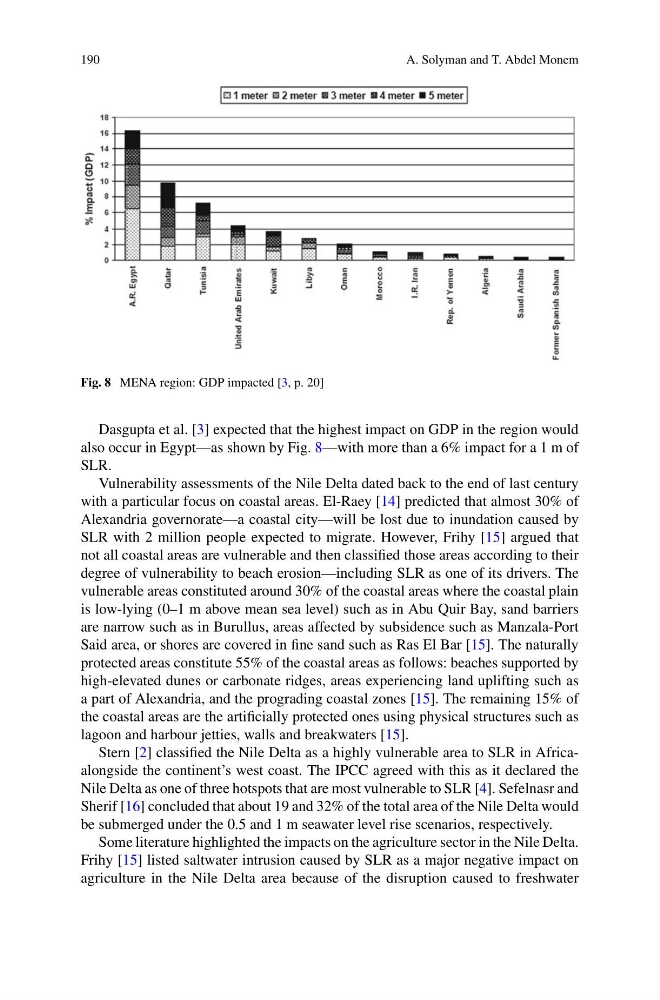
Fig. 8 MENA region: GDP impacted [3, p. 20]
Dasgupta et al. [3] expected that the highest impact on GDP in the region would
also occur in Egypt—as shown by Fig. 8—with more than a 6% impact for a 1 m of
SLR.
Vulnerability assessments of the Nile Delta dated back to the end of last century
with a particular focus on coastal areas. El-Raey [14] predicted that almost 30% of
Alexandria governorate—a coastal city—will be lost due to inundation caused by
SLR with 2 million people expected to migrate. However, Frihy [15] argued that
not all coastal areas are vulnerable and then classified those areas according to their
degree of vulnerability to beach erosion—including SLR as one of its drivers. The
vulnerable areas constituted around 30% of the coastal areas where the coastal plain
is low-lying (0–1 m above mean sea level) such as in Abu Quir Bay, sand barriers
are narrow such as in Burullus, areas affected by subsidence such as Manzala-Port
Said area, or shores are covered in fine sand such as Ras El Bar [15]. The naturally
protected areas constitute 55% of the coastal areas as follows: beaches supported by
high-elevated dunes or carbonate ridges, areas experiencing land uplifting such as
a part of Alexandria, and the prograding coastal zones [15]. The remaining 15% of
the coastal areas are the artificially protected ones using physical structures such as
lagoon and harbour jetties, walls and breakwaters [15].
Stern [2] classified the Nile Delta as a highly vulnerable area to SLR in Africaalongside the continent’s west coast. The IPCC agreed with this as it declared the
Nile Delta as one of three hotspots that are most vulnerable to SLR [4]. Sefelnasr and
Sherif [16] concluded that about 19 and 32% of the total area of the Nile Delta would
be submerged under the 0.5 and 1 m seawater level rise scenarios, respectively.
Some literature highlighted the impacts on the agriculture sector in the Nile Delta.
Frihy [15] listed saltwater intrusion caused by SLR as a major negative impact on
agriculture in the Nile Delta area because of the disruption caused to freshwater
A. Solyman and T. Abdel Monem
Fig. 8 MENA region: GDP impacted [3, p. 20]
Dasgupta et al. [3] expected that the highest impact on GDP in the region would
also occur in Egypt—as shown by Fig. 8—with more than a 6% impact for a 1 m of
SLR.
Vulnerability assessments of the Nile Delta dated back to the end of last century
with a particular focus on coastal areas. El-Raey [14] predicted that almost 30% of
Alexandria governorate—a coastal city—will be lost due to inundation caused by
SLR with 2 million people expected to migrate. However, Frihy [15] argued that
not all coastal areas are vulnerable and then classified those areas according to their
degree of vulnerability to beach erosion—including SLR as one of its drivers. The
vulnerable areas constituted around 30% of the coastal areas where the coastal plain
is low-lying (0–1 m above mean sea level) such as in Abu Quir Bay, sand barriers
are narrow such as in Burullus, areas affected by subsidence such as Manzala-Port
Said area, or shores are covered in fine sand such as Ras El Bar [15]. The naturally
protected areas constitute 55% of the coastal areas as follows: beaches supported by
high-elevated dunes or carbonate ridges, areas experiencing land uplifting such as
a part of Alexandria, and the prograding coastal zones [15]. The remaining 15% of
the coastal areas are the artificially protected ones using physical structures such as
lagoon and harbour jetties, walls and breakwaters [15].
Stern [2] classified the Nile Delta as a highly vulnerable area to SLR in Africaalongside the continent’s west coast. The IPCC agreed with this as it declared the
Nile Delta as one of three hotspots that are most vulnerable to SLR [4]. Sefelnasr and
Sherif [16] concluded that about 19 and 32% of the total area of the Nile Delta would
be submerged under the 0.5 and 1 m seawater level rise scenarios, respectively.
Some literature highlighted the impacts on the agriculture sector in the Nile Delta.
Frihy [15] listed saltwater intrusion caused by SLR as a major negative impact on
agriculture in the Nile Delta area because of the disruption caused to freshwater