

188
A. Solyman and T. Abdel Monem
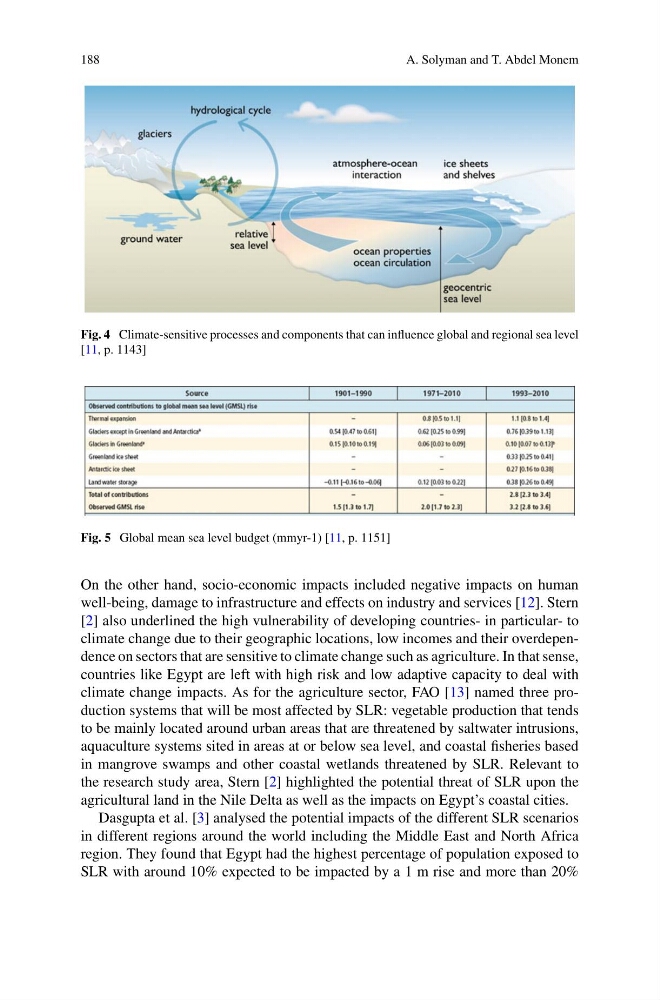
Fig. 4 Climate-sensitive processes and components that can influence global and regional sea level
[11, p. 1143]
Fig. 5 Global mean sea level budget (mmyr-1) [11, p. 1151]
On the other hand, socio-economic impacts included negative impacts on human
well-being, damage to infrastructure and effects on industry and services [12]. Stern
[2] also underlined the high vulnerability of developing countries- in particular- to
climate change due to their geographic locations, low incomes and their overdependence on sectors that are sensitive to climate change such as agriculture. In that sense,
countries like Egypt are left with high risk and low adaptive capacity to deal with
climate change impacts. As for the agriculture sector, FAO [13] named three production systems that will be most affected by SLR: vegetable production that tends
to be mainly located around urban areas that are threatened by saltwater intrusions,
aquaculture systems sited in areas at or below sea level, and coastal fisheries based
in mangrove swamps and other coastal wetlands threatened by SLR. Relevant to
the research study area, Stern [2] highlighted the potential threat of SLR upon the
agricultural land in the Nile Delta as well as the impacts on Egypt’s coastal cities.
Dasgupta et al. [3] analysed the potential impacts of the different SLR scenarios
in different regions around the world including the Middle East and North Africa
region. They found that Egypt had the highest percentage of population exposed to
SLR with around 10% expected to be impacted by a 1 m rise and more than 20%
A. Solyman and T. Abdel Monem
Fig. 4 Climate-sensitive processes and components that can influence global and regional sea level
[11, p. 1143]
Fig. 5 Global mean sea level budget (mmyr-1) [11, p. 1151]
On the other hand, socio-economic impacts included negative impacts on human
well-being, damage to infrastructure and effects on industry and services [12]. Stern
[2] also underlined the high vulnerability of developing countries- in particular- to
climate change due to their geographic locations, low incomes and their overdependence on sectors that are sensitive to climate change such as agriculture. In that sense,
countries like Egypt are left with high risk and low adaptive capacity to deal with
climate change impacts. As for the agriculture sector, FAO [13] named three production systems that will be most affected by SLR: vegetable production that tends
to be mainly located around urban areas that are threatened by saltwater intrusions,
aquaculture systems sited in areas at or below sea level, and coastal fisheries based
in mangrove swamps and other coastal wetlands threatened by SLR. Relevant to
the research study area, Stern [2] highlighted the potential threat of SLR upon the
agricultural land in the Nile Delta as well as the impacts on Egypt’s coastal cities.
Dasgupta et al. [3] analysed the potential impacts of the different SLR scenarios
in different regions around the world including the Middle East and North Africa
region. They found that Egypt had the highest percentage of population exposed to
SLR with around 10% expected to be impacted by a 1 m rise and more than 20%