

ibuprofen, ketoprofen, naproxen, and diclofenac, respectively. In all cases, a spontaneous, low-temperature, nonlinear adsorption process was determined, with a
pseudo-second-order kinetic and a mechanism not controlled by the pore diffusion
step.
Magnetic nanomaterials are becoming an interesting alternative for the simple
recovery of the adsorption system using an external magnet (Fig. 3). Originally
designed for facilitating the extraction and analysis of drugs in different types of
matrices (water, soil, and biological fluids) through magnetic solid phase extraction,
these versatile systems have moved into the pipeline for the design of efficient
wastewater treatment methods [17, 18]. For example, Kollarahithlu et al. prepared
cysteine-modified silane-coated magnetic nickel ferrite nanoparticles using
3-glycidyloxypropyltrimethoxysilane and L-cysteine, and determined their ability
to remove ibuprofen from an aqueous model system, optimizing pH, time, and
concentration of ibuprofen as operative parameters. The cysteine-modified magnetic
nanoparticles showed improved adsorption at acidic pH. One of the main advantages
of this approach is the easy remotion of the nanocomposite, after ibuprofen adsorption, simply using an external magnetic field. Adsorption was found to occur due to
the presence of the amino (-NH 2 ) groups of the L-cysteine; adsorption kinetics fitted
to a pseudo-second-order kinetics, confirming that the rate-limiting step is the
chemical adsorption [19]. In a different work, Nodeh et al. prepared silica-coated
magnetite nanoparticles decorated onto graphene oxide (GO-MNPs-SiO 2 ) and studied their capacity for removing naproxen from wastewater [20]. The magnetic
nanocomposite showed higher adsorption capacity and faster adsorption of naproxen
with respect to other previously reported systems, which could be explained by
electrostatic interactions among negatively charged naproxen and positively charged
adsorbent. The maximum adsorption capacity of the magnetic nanocomposite was of
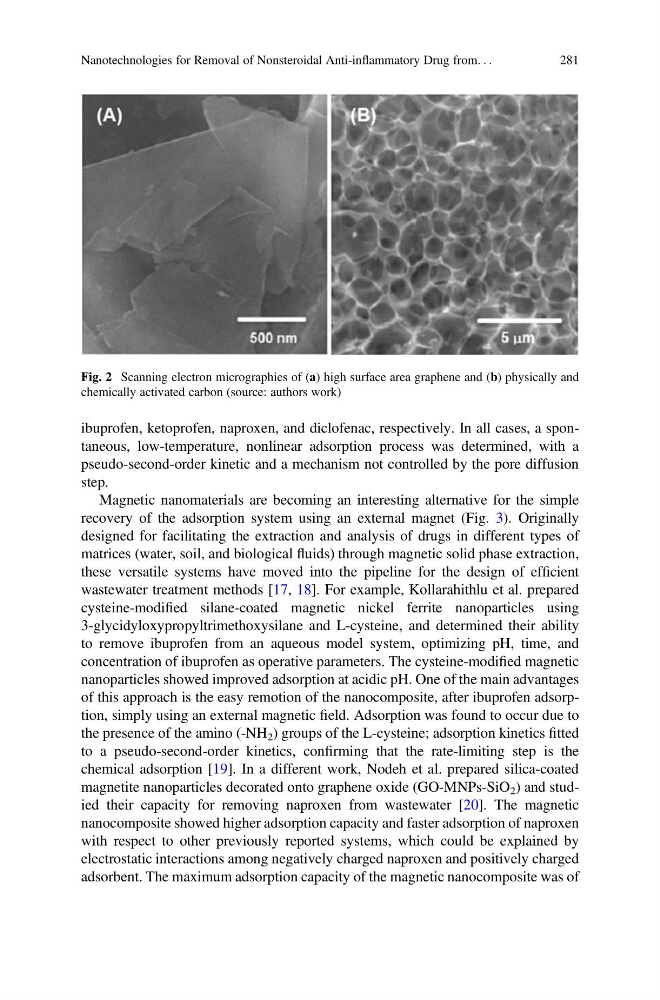
Fig. 2 Scanning electron micrographies of (a) high surface area graphene and (b) physically and
chemically activated carbon (source: authors work)
Nanotechnologies for Removal of Nonsteroidal Anti-inflammatory Drug from. . .
281
pseudo-second-order kinetic and a mechanism not controlled by the pore diffusion
step.
Magnetic nanomaterials are becoming an interesting alternative for the simple
recovery of the adsorption system using an external magnet (Fig. 3). Originally
designed for facilitating the extraction and analysis of drugs in different types of
matrices (water, soil, and biological fluids) through magnetic solid phase extraction,
these versatile systems have moved into the pipeline for the design of efficient
wastewater treatment methods [17, 18]. For example, Kollarahithlu et al. prepared
cysteine-modified silane-coated magnetic nickel ferrite nanoparticles using
3-glycidyloxypropyltrimethoxysilane and L-cysteine, and determined their ability
to remove ibuprofen from an aqueous model system, optimizing pH, time, and
concentration of ibuprofen as operative parameters. The cysteine-modified magnetic
nanoparticles showed improved adsorption at acidic pH. One of the main advantages
of this approach is the easy remotion of the nanocomposite, after ibuprofen adsorption, simply using an external magnetic field. Adsorption was found to occur due to
the presence of the amino (-NH 2 ) groups of the L-cysteine; adsorption kinetics fitted
to a pseudo-second-order kinetics, confirming that the rate-limiting step is the
chemical adsorption [19]. In a different work, Nodeh et al. prepared silica-coated
magnetite nanoparticles decorated onto graphene oxide (GO-MNPs-SiO 2 ) and studied their capacity for removing naproxen from wastewater [20]. The magnetic
nanocomposite showed higher adsorption capacity and faster adsorption of naproxen
with respect to other previously reported systems, which could be explained by
electrostatic interactions among negatively charged naproxen and positively charged
adsorbent. The maximum adsorption capacity of the magnetic nanocomposite was of
Fig. 2 Scanning electron micrographies of (a) high surface area graphene and (b) physically and
chemically activated carbon (source: authors work)
Nanotechnologies for Removal of Nonsteroidal Anti-inflammatory Drug from. . .
281