

respectively; statistically significant differences were found in the size of the larvae
with respect to the control group in both species, in addition to a small size and
emaciation. Regarding the development and growth, there were also differences
between the larvae; T. typhonius had a smaller size and lower degree of development
than P. albonotatus; meanwhile, when evaluating the malformations for
T. typhonius, the following were identified, absence of chondrocranium structures,
absence of left hyobranchial skeletons, microcardia, increased gallbladder, and
asymmetric pattern of gut, whereas for P. albonotatus, abdominal edema and altered
axis, bilateral external body asymmetry, swollen body, absence of chondrocranium
structures, partial hyobranchial skeleton, microcardia, and asymmetric pattern of gut
were identified; microcardia was also observed in both species, and in
Cytoprotection
or
detoxification
Xenobiotic
Reactive
intermediate
Electrophile
Free radical
Molecular
damage
Vasodilation
Edema
Blood-vessel damage
Hemorrhage
Necrosis
Bioactivation
DNA
Proteins
Lipids
Adducts
Oxidation
Nitration
Repair
Molecular target
TERATOGENESIS
Gen
p53
GSH, GSH-S
transferase, GHS
peroxidase
SOD
CAT
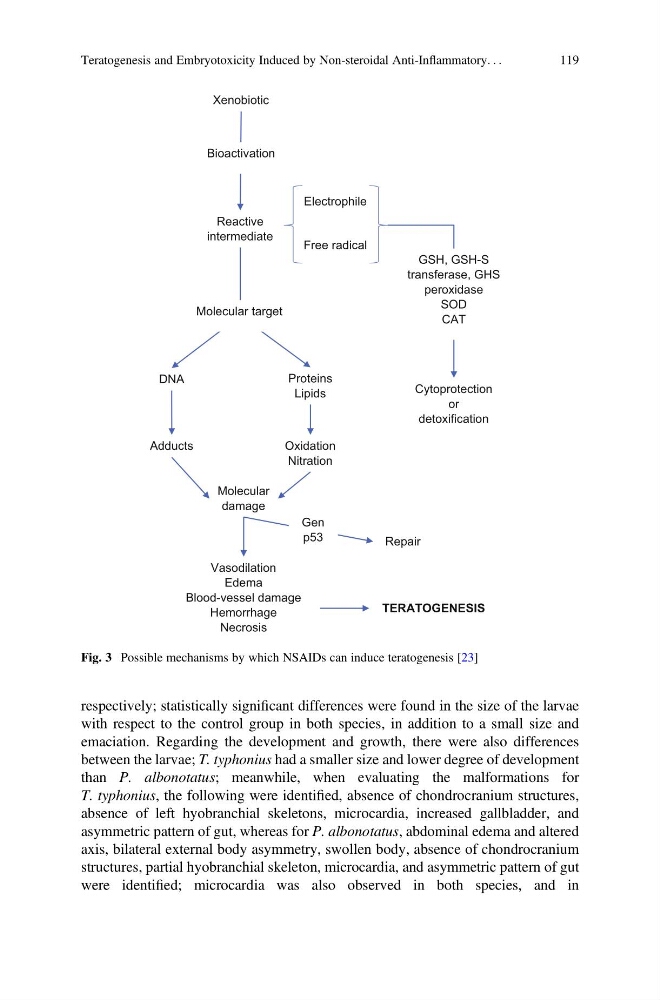
Fig. 3 Possible mechanisms by which NSAIDs can induce teratogenesis [23]
Teratogenesis and Embryotoxicity Induced by Non-steroidal Anti-Inflammatory. . .
119
with respect to the control group in both species, in addition to a small size and
emaciation. Regarding the development and growth, there were also differences
between the larvae; T. typhonius had a smaller size and lower degree of development
than P. albonotatus; meanwhile, when evaluating the malformations for
T. typhonius, the following were identified, absence of chondrocranium structures,
absence of left hyobranchial skeletons, microcardia, increased gallbladder, and
asymmetric pattern of gut, whereas for P. albonotatus, abdominal edema and altered
axis, bilateral external body asymmetry, swollen body, absence of chondrocranium
structures, partial hyobranchial skeleton, microcardia, and asymmetric pattern of gut
were identified; microcardia was also observed in both species, and in
Cytoprotection
or
detoxification
Xenobiotic
Reactive
intermediate
Electrophile
Free radical
Molecular
damage
Vasodilation
Edema
Blood-vessel damage
Hemorrhage
Necrosis
Bioactivation
DNA
Proteins
Lipids
Adducts
Oxidation
Nitration
Repair
Molecular target
TERATOGENESIS
Gen
p53
GSH, GSH-S
transferase, GHS
peroxidase
SOD
CAT
Fig. 3 Possible mechanisms by which NSAIDs can induce teratogenesis [23]
Teratogenesis and Embryotoxicity Induced by Non-steroidal Anti-Inflammatory. . .
119