

280
7 The Role of Ventilation in Fires and Explosions
N2
N2
Pressure Sensors
N2 ducting
Chambers
Zone susceptible to
spontaneous
combustion
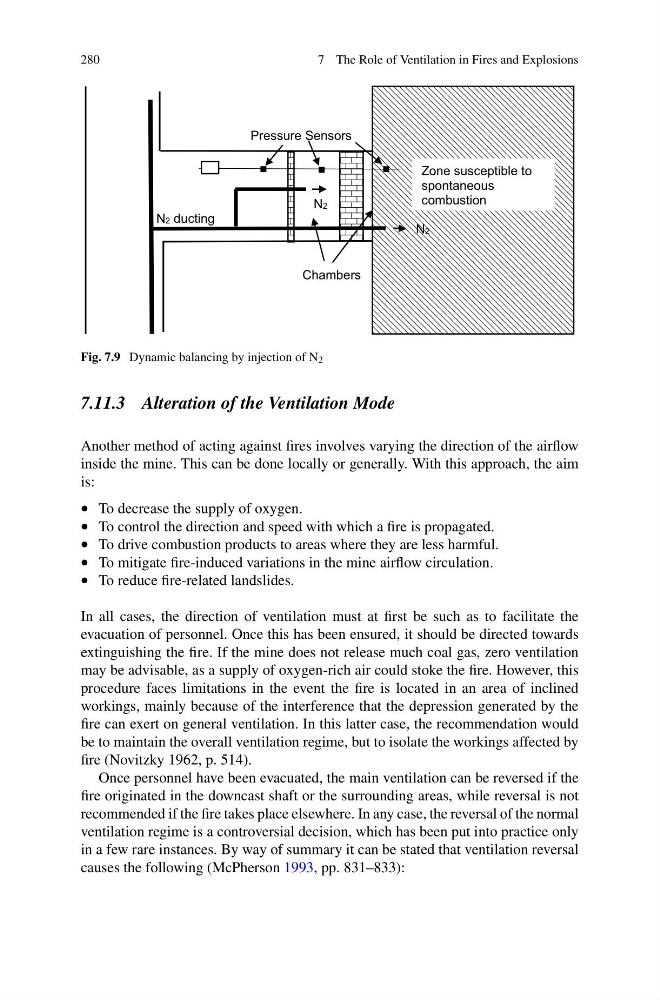
Fig. 7.9 Dynamic balancing by injection of N 2
7.11.3 Alteration of the Ventilation Mode
Another method of acting against fires involves varying the direction of the airflow
inside the mine. This can be done locally or generally. With this approach, the aim
is:
• To decrease the supply of oxygen.
• To control the direction and speed with which a fire is propagated.
• To drive combustion products to areas where they are less harmful.
• To mitigate fire-induced variations in the mine airflow circulation.
• To reduce fire-related landslides.
In all cases, the direction of ventilation must at first be such as to facilitate the
evacuation of personnel. Once this has been ensured, it should be directed towards
extinguishing the fire. If the mine does not release much coal gas, zero ventilation
may be advisable, as a supply of oxygen-rich air could stoke the fire. However, this
procedure faces limitations in the event the fire is located in an area of inclined
workings, mainly because of the interference that the depression generated by the
fire can exert on general ventilation. In this latter case, the recommendation would
be to maintain the overall ventilation regime, but to isolate the workings affected by
fire (Novitzky 1962, p. 514).
Once personnel have been evacuated, the main ventilation can be reversed if the
fire originated in the downcast shaft or the surrounding areas, while reversal is not
recommended if the fire takes place elsewhere. In any case, the reversal of the normal
ventilation regime is a controversial decision, which has been put into practice only
in a few rare instances. By way of summary it can be stated that ventilation reversal
causes the following (McPherson 1993, pp. 831–833):
7 The Role of Ventilation in Fires and Explosions
N2
N2
Pressure Sensors
N2 ducting
Chambers
Zone susceptible to
spontaneous
combustion
Fig. 7.9 Dynamic balancing by injection of N 2
7.11.3 Alteration of the Ventilation Mode
Another method of acting against fires involves varying the direction of the airflow
inside the mine. This can be done locally or generally. With this approach, the aim
is:
• To decrease the supply of oxygen.
• To control the direction and speed with which a fire is propagated.
• To drive combustion products to areas where they are less harmful.
• To mitigate fire-induced variations in the mine airflow circulation.
• To reduce fire-related landslides.
In all cases, the direction of ventilation must at first be such as to facilitate the
evacuation of personnel. Once this has been ensured, it should be directed towards
extinguishing the fire. If the mine does not release much coal gas, zero ventilation
may be advisable, as a supply of oxygen-rich air could stoke the fire. However, this
procedure faces limitations in the event the fire is located in an area of inclined
workings, mainly because of the interference that the depression generated by the
fire can exert on general ventilation. In this latter case, the recommendation would
be to maintain the overall ventilation regime, but to isolate the workings affected by
fire (Novitzky 1962, p. 514).
Once personnel have been evacuated, the main ventilation can be reversed if the
fire originated in the downcast shaft or the surrounding areas, while reversal is not
recommended if the fire takes place elsewhere. In any case, the reversal of the normal
ventilation regime is a controversial decision, which has been put into practice only
in a few rare instances. By way of summary it can be stated that ventilation reversal
causes the following (McPherson 1993, pp. 831–833):