

182
5 Main Ventilation
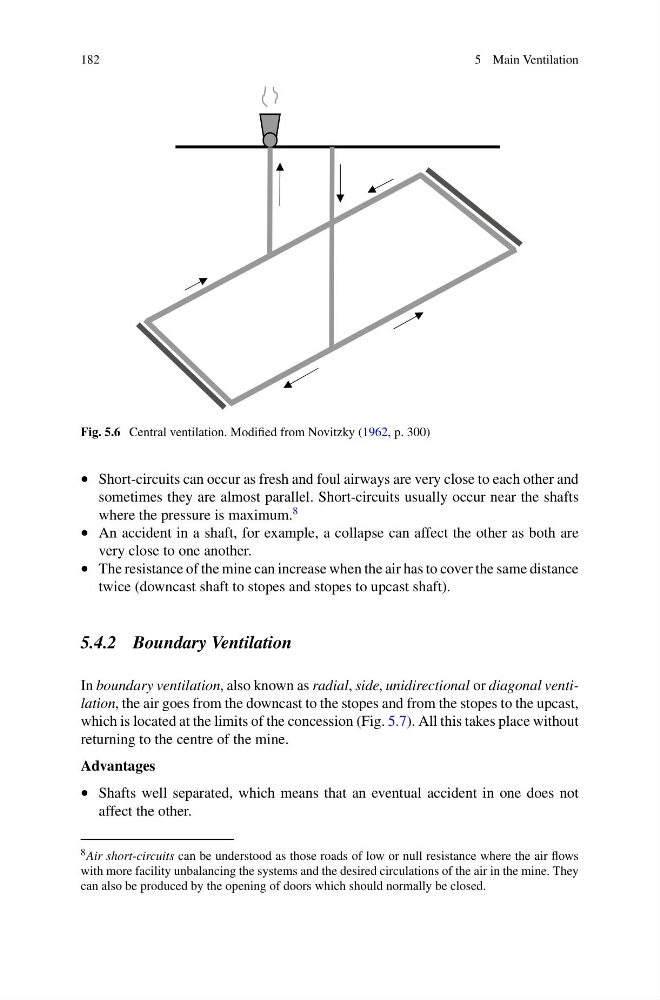
Fig. 5.6 Central ventilation. Modified from Novitzky (1962, p. 300)
• Short-circuits can occur as fresh and foul airways are very close to each other and
sometimes they are almost parallel. Short-circuits usually occur near the shafts
where the pressure is maximum.
8
• An accident in a shaft, for example, a collapse can affect the other as both are
very close to one another.
• The resistance of the mine can increase when the air has to cover the same distance
twice (downcast shaft to stopes and stopes to upcast shaft).
5.4.2 Boundary Ventilation
In boundary ventilation, also known as radial, side, unidirectional or diagonal ventilation, the air goes from the downcast to the stopes and from the stopes to the upcast,
which is located at the limits of the concession (Fig. 5.7). All this takes place without
returning to the centre of the mine.
Advantages
• Shafts well separated, which means that an eventual accident in one does not
affect the other.
8 Air short-circuits can be understood as those roads of low or null resistance where the air flows
with more facility unbalancing the systems and the desired circulations of the air in the mine. They
can also be produced by the opening of doors which should normally be closed.
5 Main Ventilation
Fig. 5.6 Central ventilation. Modified from Novitzky (1962, p. 300)
• Short-circuits can occur as fresh and foul airways are very close to each other and
sometimes they are almost parallel. Short-circuits usually occur near the shafts
where the pressure is maximum.
8
• An accident in a shaft, for example, a collapse can affect the other as both are
very close to one another.
• The resistance of the mine can increase when the air has to cover the same distance
twice (downcast shaft to stopes and stopes to upcast shaft).
5.4.2 Boundary Ventilation
In boundary ventilation, also known as radial, side, unidirectional or diagonal ventilation, the air goes from the downcast to the stopes and from the stopes to the upcast,
which is located at the limits of the concession (Fig. 5.7). All this takes place without
returning to the centre of the mine.
Advantages
• Shafts well separated, which means that an eventual accident in one does not
affect the other.
8 Air short-circuits can be understood as those roads of low or null resistance where the air flows
with more facility unbalancing the systems and the desired circulations of the air in the mine. They
can also be produced by the opening of doors which should normally be closed.