

disposed in three main forms (solid, liquid, and gaseous), but the major disposal state
is liquid as both the solid and gaseous waste can be eventually altered through
hydrological cycle and transported through water course (Armah et al. 2010). The
major sources may include the pollutants introduced in the wastewater collection
system by rainwater runoff from domestic and commercial sources. The pollutants
are divided into two main groups: (1) potentially toxic elements (PTEs) including
cadmium (Cd), copper (Cu), chromium (Cr III and Cr VI), zinc (Zn), mercury (Hg),
lead (Pb), and nickel (Ni) and (2) organic pollutants including PAHs, PCBs, DEHP,
LAS, NPE, dioxins (PCDD), and furans (PCDF). Most of the contaminants, out of
the detected 6000 organic compounds in raw water sources, are highly persistent,
while others are easily biodegradable (Table 11.1).
2.1 Natural Sources
Wastewater generation in a region is governed to a certain level by the natural
factors. The natural factors affecting include rate of precipitation, weathering, and
soil erosion. The phenomenon of runoff being seasonal depends on the climatic
conditions. The sources mainly include water from floods (stormwater), runoff
(rainwater running through cracks present in the ground and into gutters), water
from swimming pools, water from car garages, and cleaning centers. The quality of
wastewater differs from site to site and season to season due to variation in chemical
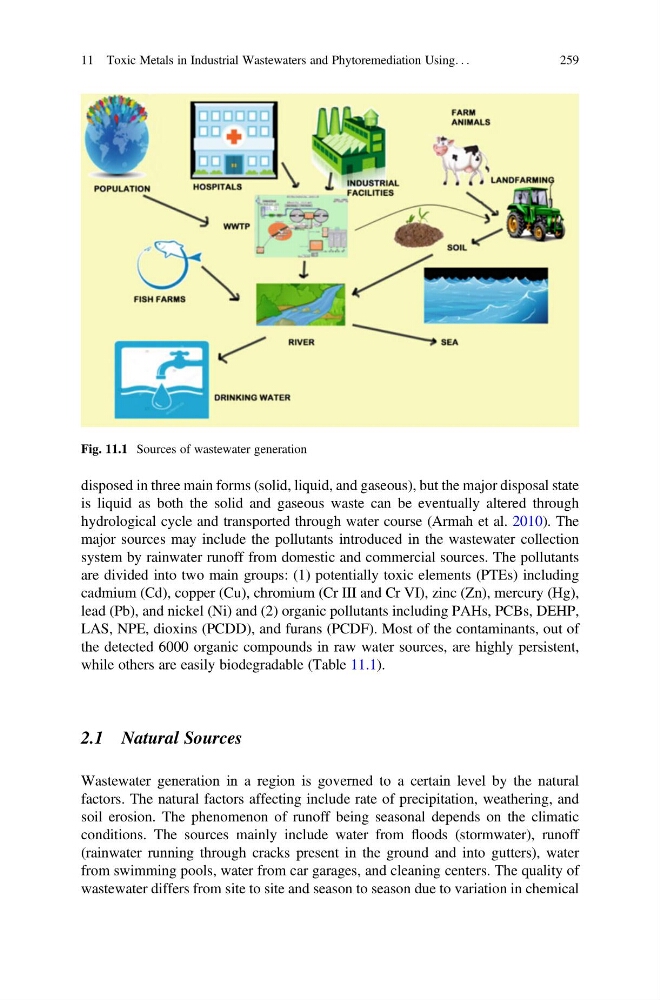
Fig. 11.1 Sources of wastewater generation
11 Toxic Metals in Industrial Wastewaters and Phytoremediation Using. . .
259
is liquid as both the solid and gaseous waste can be eventually altered through
hydrological cycle and transported through water course (Armah et al. 2010). The
major sources may include the pollutants introduced in the wastewater collection
system by rainwater runoff from domestic and commercial sources. The pollutants
are divided into two main groups: (1) potentially toxic elements (PTEs) including
cadmium (Cd), copper (Cu), chromium (Cr III and Cr VI), zinc (Zn), mercury (Hg),
lead (Pb), and nickel (Ni) and (2) organic pollutants including PAHs, PCBs, DEHP,
LAS, NPE, dioxins (PCDD), and furans (PCDF). Most of the contaminants, out of
the detected 6000 organic compounds in raw water sources, are highly persistent,
while others are easily biodegradable (Table 11.1).
2.1 Natural Sources
Wastewater generation in a region is governed to a certain level by the natural
factors. The natural factors affecting include rate of precipitation, weathering, and
soil erosion. The phenomenon of runoff being seasonal depends on the climatic
conditions. The sources mainly include water from floods (stormwater), runoff
(rainwater running through cracks present in the ground and into gutters), water
from swimming pools, water from car garages, and cleaning centers. The quality of
wastewater differs from site to site and season to season due to variation in chemical
Fig. 11.1 Sources of wastewater generation
11 Toxic Metals in Industrial Wastewaters and Phytoremediation Using. . .
259