

Wildlife Conservation Perspective of Fringe Villagers …
291
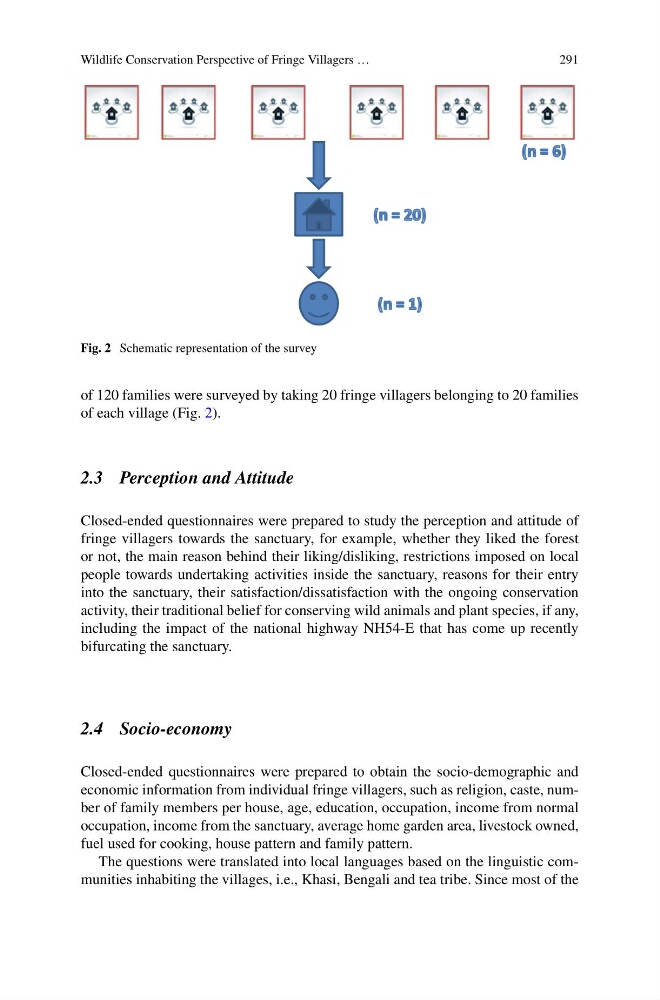
Fig. 2 Schematic representation of the survey
of 120 families were surveyed by taking 20 fringe villagers belonging to 20 families
of each village (Fig. 2).
2.3 Perception and Attitude
Closed-ended questionnaires were prepared to study the perception and attitude of
fringe villagers towards the sanctuary, for example, whether they liked the forest
or not, the main reason behind their liking/disliking, restrictions imposed on local
people towards undertaking activities inside the sanctuary, reasons for their entry
into the sanctuary, their satisfaction/dissatisfaction with the ongoing conservation
activity, their traditional belief for conserving wild animals and plant species, if any,
including the impact of the national highway NH54-E that has come up recently
bifurcating the sanctuary.
2.4 Socio-economy
Closed-ended questionnaires were prepared to obtain the socio-demographic and
economic information from individual fringe villagers, such as religion, caste, number of family members per house, age, education, occupation, income from normal
occupation, income from the sanctuary, average home garden area, livestock owned,
fuel used for cooking, house pattern and family pattern.
The questions were translated into local languages based on the linguistic communities inhabiting the villages, i.e., Khasi, Bengali and tea tribe. Since most of the
291
Fig. 2 Schematic representation of the survey
of 120 families were surveyed by taking 20 fringe villagers belonging to 20 families
of each village (Fig. 2).
2.3 Perception and Attitude
Closed-ended questionnaires were prepared to study the perception and attitude of
fringe villagers towards the sanctuary, for example, whether they liked the forest
or not, the main reason behind their liking/disliking, restrictions imposed on local
people towards undertaking activities inside the sanctuary, reasons for their entry
into the sanctuary, their satisfaction/dissatisfaction with the ongoing conservation
activity, their traditional belief for conserving wild animals and plant species, if any,
including the impact of the national highway NH54-E that has come up recently
bifurcating the sanctuary.
2.4 Socio-economy
Closed-ended questionnaires were prepared to obtain the socio-demographic and
economic information from individual fringe villagers, such as religion, caste, number of family members per house, age, education, occupation, income from normal
occupation, income from the sanctuary, average home garden area, livestock owned,
fuel used for cooking, house pattern and family pattern.
The questions were translated into local languages based on the linguistic communities inhabiting the villages, i.e., Khasi, Bengali and tea tribe. Since most of the