

146
S. Nautiyal et al.
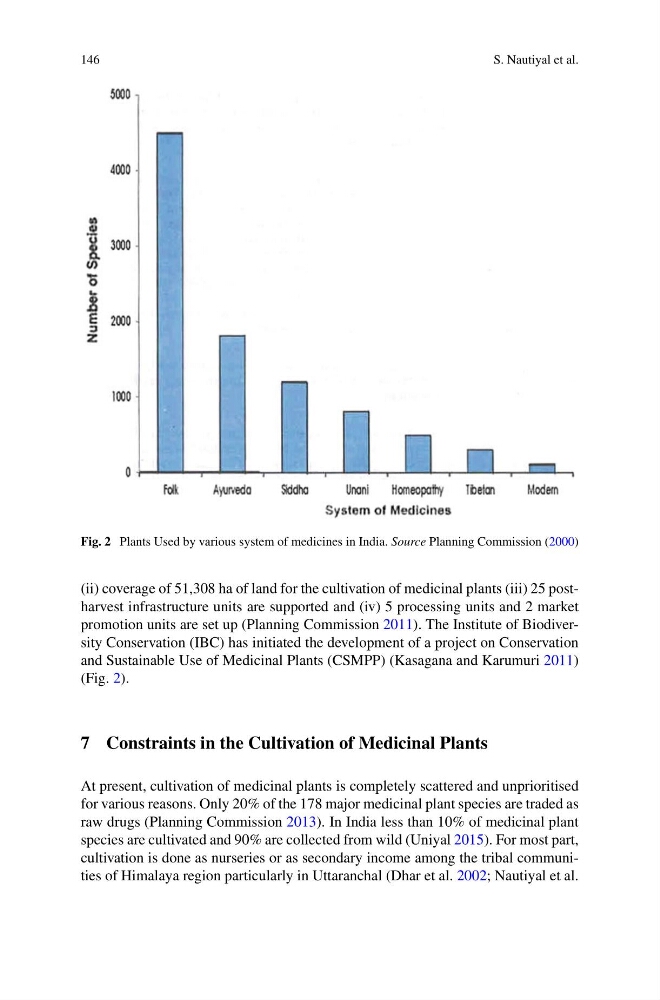
Fig. 2 Plants Used by various system of medicines in India. Source Planning Commission (2000)
(ii) coverage of 51,308 ha of land for the cultivation of medicinal plants (iii) 25 postharvest infrastructure units are supported and (iv) 5 processing units and 2 market
promotion units are set up (Planning Commission 2011). The Institute of Biodiversity Conservation (IBC) has initiated the development of a project on Conservation
and Sustainable Use of Medicinal Plants (CSMPP) (Kasagana and Karumuri 2011)
(Fig. 2).
7 Constraints in the Cultivation of Medicinal Plants
At present, cultivation of medicinal plants is completely scattered and unprioritised
for various reasons. Only 20% of the 178 major medicinal plant species are traded as
raw drugs (Planning Commission 2013). In India less than 10% of medicinal plant
species are cultivated and 90% are collected from wild (Uniyal 2015). For most part,
cultivation is done as nurseries or as secondary income among the tribal communities of Himalaya region particularly in Uttaranchal (Dhar et al. 2002; Nautiyal et al.
S. Nautiyal et al.
Fig. 2 Plants Used by various system of medicines in India. Source Planning Commission (2000)
(ii) coverage of 51,308 ha of land for the cultivation of medicinal plants (iii) 25 postharvest infrastructure units are supported and (iv) 5 processing units and 2 market
promotion units are set up (Planning Commission 2011). The Institute of Biodiversity Conservation (IBC) has initiated the development of a project on Conservation
and Sustainable Use of Medicinal Plants (CSMPP) (Kasagana and Karumuri 2011)
(Fig. 2).
7 Constraints in the Cultivation of Medicinal Plants
At present, cultivation of medicinal plants is completely scattered and unprioritised
for various reasons. Only 20% of the 178 major medicinal plant species are traded as
raw drugs (Planning Commission 2013). In India less than 10% of medicinal plant
species are cultivated and 90% are collected from wild (Uniyal 2015). For most part,
cultivation is done as nurseries or as secondary income among the tribal communities of Himalaya region particularly in Uttaranchal (Dhar et al. 2002; Nautiyal et al.