

65
et al. 2014). The unbridled increase in engine power is to cater the use of larger nets
and to tow at greater speeds in case of trawlers. This increased engine power is often
not in concurrence with the standards adopted for efficient fuel use and most of the
vessels end up using large quantities of fuel with resultant debts after a few operations (Aswathy et al. 2011; Baiju and Boopendranath 2014).
3.2 Utilization of the Catches
The share of world fish production utilized for direct human consumption has
increased significantly in recent decades, from 67% in the 1960s to 87% in 2014.
The remaining 21 million tonnes caters to the non-food products, of which 76% was
reduced to fishmeal and fish oil in 2014. An increasing trend of utilization of byproducts with a growing focus on their handling in a controlled, safe and hygienic
way, thereby also reducing waste is also seen in the recent years (FAO 2016).
4 Legal Mechanisms Related to Fishery Technology
For the past 20 years, the Code of Conduct for Responsible Fisheries (CCRF) has
served as a global reference instrument for the sustainable development of the fisheries and aquaculture sectors. Despite shortfalls, there have been considerable
developments in relation to the six core chapters of the code since its adoption
784
0
20000
Mechanised purse seiners
& ringseiners
Mechanised bag netters
Mechanised gill netters
Mechanised trawlers
Other mechanised boats
Total mechanised boats
Total motorised boats
40000
60000
80000
2201
2014
11794
Optimum fleet size
(Kurup and Devaraj, 2000)
Present fleet size
(CMFRI, 2010)
3894
20257
10998
35228
1558
3079
19048
72559
71313
14882
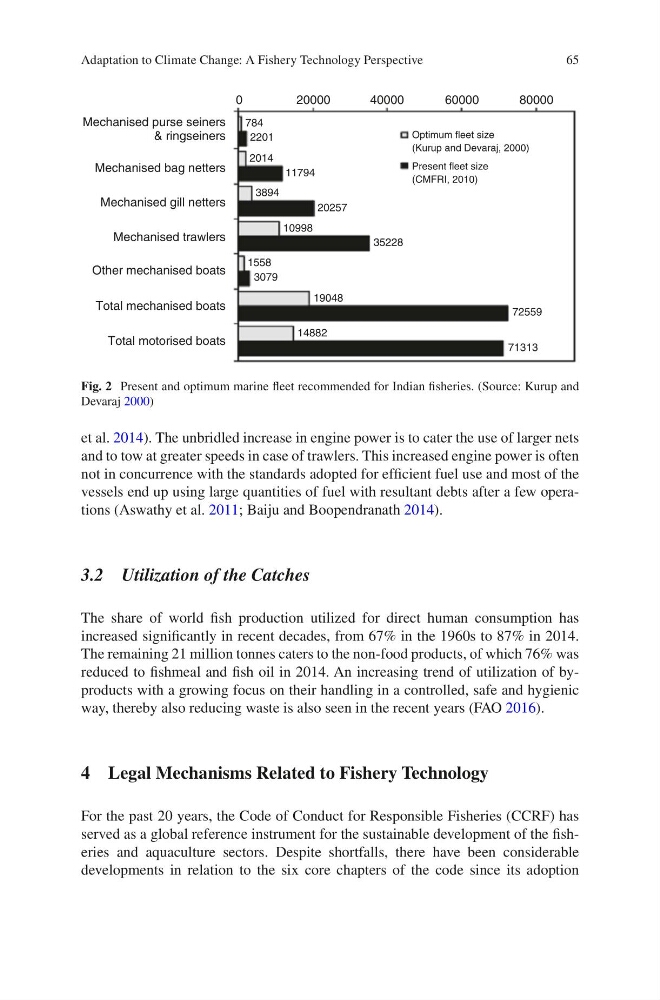
Fig. 2 Present and optimum marine fleet recommended for Indian fisheries. (Source: Kurup and
Devaraj 2000)
Adaptation to Climate Change: A Fishery Technology Perspective
et al. 2014). The unbridled increase in engine power is to cater the use of larger nets
and to tow at greater speeds in case of trawlers. This increased engine power is often
not in concurrence with the standards adopted for efficient fuel use and most of the
vessels end up using large quantities of fuel with resultant debts after a few operations (Aswathy et al. 2011; Baiju and Boopendranath 2014).
3.2 Utilization of the Catches
The share of world fish production utilized for direct human consumption has
increased significantly in recent decades, from 67% in the 1960s to 87% in 2014.
The remaining 21 million tonnes caters to the non-food products, of which 76% was
reduced to fishmeal and fish oil in 2014. An increasing trend of utilization of byproducts with a growing focus on their handling in a controlled, safe and hygienic
way, thereby also reducing waste is also seen in the recent years (FAO 2016).
4 Legal Mechanisms Related to Fishery Technology
For the past 20 years, the Code of Conduct for Responsible Fisheries (CCRF) has
served as a global reference instrument for the sustainable development of the fisheries and aquaculture sectors. Despite shortfalls, there have been considerable
developments in relation to the six core chapters of the code since its adoption
784
0
20000
Mechanised purse seiners
& ringseiners
Mechanised bag netters
Mechanised gill netters
Mechanised trawlers
Other mechanised boats
Total mechanised boats
Total motorised boats
40000
60000
80000
2201
2014
11794
Optimum fleet size
(Kurup and Devaraj, 2000)
Present fleet size
(CMFRI, 2010)
3894
20257
10998
35228
1558
3079
19048
72559
71313
14882
Fig. 2 Present and optimum marine fleet recommended for Indian fisheries. (Source: Kurup and
Devaraj 2000)
Adaptation to Climate Change: A Fishery Technology Perspective