

54
from sections measuring 138 to140 cm and 172 to 174 cm are at 24,060 ± 180 and
31,5409 ± 430 14C age BP respectively (Achyutham et al. 2008).
The sedimentation in lake at an early period of 30 K BP indicates exposure and
ice free nature of the area at that time which resulted in deposition of sediments in
the lakes. The relative percentage of sand in the sediments reflects weathering and
deposition in warmer climatic regime, while the predominance of finer sediments
–clay and silt- points towards a cooler phase subsequently. Studies by Shrivastava
et al (2012) on the sediments from epishelf lakes on the northern margin of
Schirmacher have indicated changing conditions in the transporting medium and/or
the contribution of sediments from multiple provenances. Change in energy conditions is evident from the distribution pattern of sediments (Asthana et al. 2013).
From the proxy records of magnetic susceptibility (MS) and loss-on-ignition (LOI)
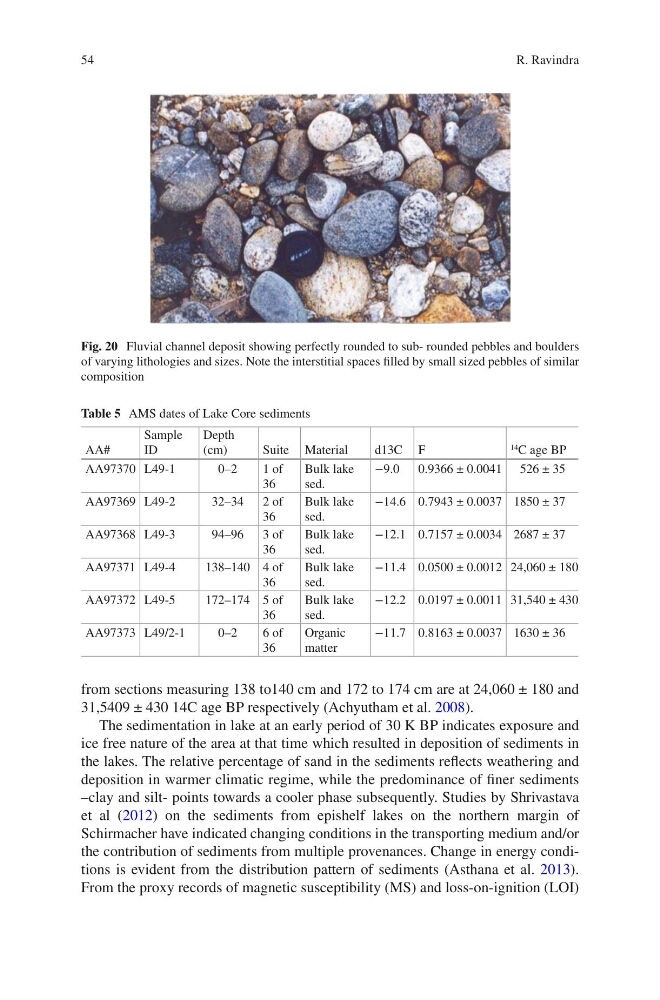
Fig. 20 Fluvial channel deposit showing perfectly rounded to sub- rounded pebbles and boulders
of varying lithologies and sizes. Note the interstitial spaces filled by small sized pebbles of similar
composition
Table 5 AMS dates of Lake Core sediments
AA#
Sample
ID
Depth
(cm)
Suite Material
d13C F
14 C age BP
AA97370 L49-1
0–2
1 of
36
Bulk lake
sed.
−9.0 0.9366 ± 0.0041 526 ± 35
AA97369 L49-2
32–34
2 of
36
Bulk lake
sed.
−14.6 0.7943 ± 0.0037 1850 ± 37
AA97368 L49-3
94–96
3 of
36
Bulk lake
sed.
−12.1 0.7157 ± 0.0034 2687 ± 37
AA97371 L49-4
138–140 4 of
36
Bulk lake
sed.
−11.4 0.0500 ± 0.0012 24,060 ± 180
AA97372 L49-5
172–174 5 of
36
Bulk lake
sed.
−12.2 0.0197 ± 0.0011 31,540 ± 430
AA97373 L49/2-1
0–2
6 of
36
Organic
matter
−11.7 0.8163 ± 0.0037 1630 ± 36
R. Ravindra
from sections measuring 138 to140 cm and 172 to 174 cm are at 24,060 ± 180 and
31,5409 ± 430 14C age BP respectively (Achyutham et al. 2008).
The sedimentation in lake at an early period of 30 K BP indicates exposure and
ice free nature of the area at that time which resulted in deposition of sediments in
the lakes. The relative percentage of sand in the sediments reflects weathering and
deposition in warmer climatic regime, while the predominance of finer sediments
–clay and silt- points towards a cooler phase subsequently. Studies by Shrivastava
et al (2012) on the sediments from epishelf lakes on the northern margin of
Schirmacher have indicated changing conditions in the transporting medium and/or
the contribution of sediments from multiple provenances. Change in energy conditions is evident from the distribution pattern of sediments (Asthana et al. 2013).
From the proxy records of magnetic susceptibility (MS) and loss-on-ignition (LOI)
Fig. 20 Fluvial channel deposit showing perfectly rounded to sub- rounded pebbles and boulders
of varying lithologies and sizes. Note the interstitial spaces filled by small sized pebbles of similar
composition
Table 5 AMS dates of Lake Core sediments
AA#
Sample
ID
Depth
(cm)
Suite Material
d13C F
14 C age BP
AA97370 L49-1
0–2
1 of
36
Bulk lake
sed.
−9.0 0.9366 ± 0.0041 526 ± 35
AA97369 L49-2
32–34
2 of
36
Bulk lake
sed.
−14.6 0.7943 ± 0.0037 1850 ± 37
AA97368 L49-3
94–96
3 of
36
Bulk lake
sed.
−12.1 0.7157 ± 0.0034 2687 ± 37
AA97371 L49-4
138–140 4 of
36
Bulk lake
sed.
−11.4 0.0500 ± 0.0012 24,060 ± 180
AA97372 L49-5
172–174 5 of
36
Bulk lake
sed.
−12.2 0.0197 ± 0.0011 31,540 ± 430
AA97373 L49/2-1
0–2
6 of
36
Organic
matter
−11.7 0.8163 ± 0.0037 1630 ± 36
R. Ravindra