

128
R. Chaudhari et al.
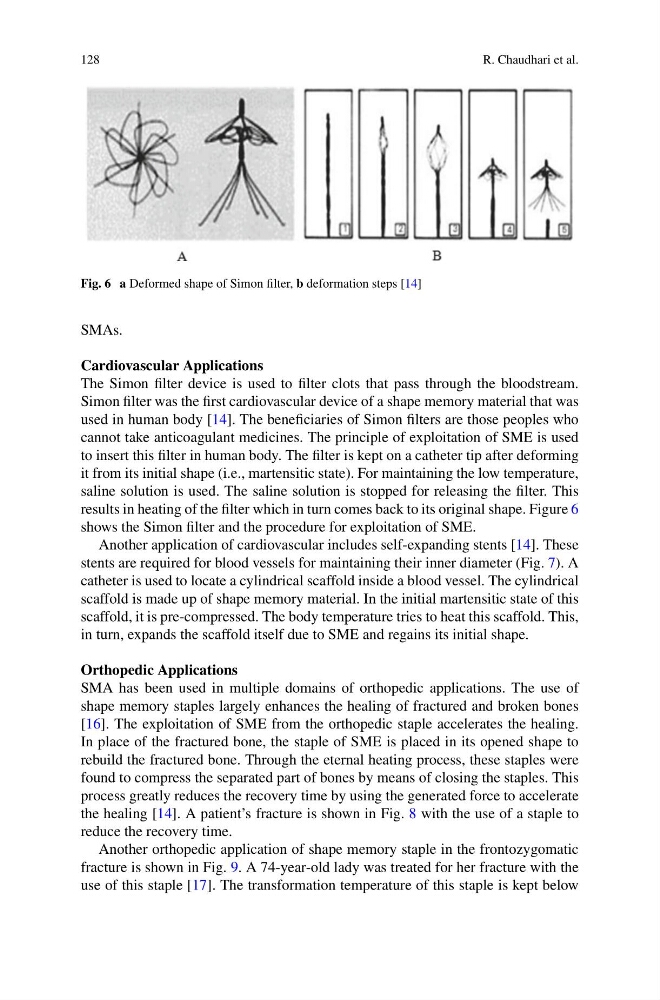
Fig. 6 a Deformed shape of Simon filter, b deformation steps [14]
SMAs.
Cardiovascular Applications
The Simon filter device is used to filter clots that pass through the bloodstream.
Simon filter was the first cardiovascular device of a shape memory material that was
used in human body [14]. The beneficiaries of Simon filters are those peoples who
cannot take anticoagulant medicines. The principle of exploitation of SME is used
to insert this filter in human body. The filter is kept on a catheter tip after deforming
it from its initial shape (i.e., martensitic state). For maintaining the low temperature,
saline solution is used. The saline solution is stopped for releasing the filter. This
results in heating of the filter which in turn comes back to its original shape. Figure 6
shows the Simon filter and the procedure for exploitation of SME.
Another application of cardiovascular includes self-expanding stents [14]. These
stents are required for blood vessels for maintaining their inner diameter (Fig. 7). A
catheter is used to locate a cylindrical scaffold inside a blood vessel. The cylindrical
scaffold is made up of shape memory material. In the initial martensitic state of this
scaffold, it is pre-compressed. The body temperature tries to heat this scaffold. This,
in turn, expands the scaffold itself due to SME and regains its initial shape.
Orthopedic Applications
SMA has been used in multiple domains of orthopedic applications. The use of
shape memory staples largely enhances the healing of fractured and broken bones
[16]. The exploitation of SME from the orthopedic staple accelerates the healing.
In place of the fractured bone, the staple of SME is placed in its opened shape to
rebuild the fractured bone. Through the eternal heating process, these staples were
found to compress the separated part of bones by means of closing the staples. This
process greatly reduces the recovery time by using the generated force to accelerate
the healing [14]. A patient’s fracture is shown in Fig. 8 with the use of a staple to
reduce the recovery time.
Another orthopedic application of shape memory staple in the frontozygomatic
fracture is shown in Fig. 9. A 74-year-old lady was treated for her fracture with the
use of this staple [17]. The transformation temperature of this staple is kept below
R. Chaudhari et al.
Fig. 6 a Deformed shape of Simon filter, b deformation steps [14]
SMAs.
Cardiovascular Applications
The Simon filter device is used to filter clots that pass through the bloodstream.
Simon filter was the first cardiovascular device of a shape memory material that was
used in human body [14]. The beneficiaries of Simon filters are those peoples who
cannot take anticoagulant medicines. The principle of exploitation of SME is used
to insert this filter in human body. The filter is kept on a catheter tip after deforming
it from its initial shape (i.e., martensitic state). For maintaining the low temperature,
saline solution is used. The saline solution is stopped for releasing the filter. This
results in heating of the filter which in turn comes back to its original shape. Figure 6
shows the Simon filter and the procedure for exploitation of SME.
Another application of cardiovascular includes self-expanding stents [14]. These
stents are required for blood vessels for maintaining their inner diameter (Fig. 7). A
catheter is used to locate a cylindrical scaffold inside a blood vessel. The cylindrical
scaffold is made up of shape memory material. In the initial martensitic state of this
scaffold, it is pre-compressed. The body temperature tries to heat this scaffold. This,
in turn, expands the scaffold itself due to SME and regains its initial shape.
Orthopedic Applications
SMA has been used in multiple domains of orthopedic applications. The use of
shape memory staples largely enhances the healing of fractured and broken bones
[16]. The exploitation of SME from the orthopedic staple accelerates the healing.
In place of the fractured bone, the staple of SME is placed in its opened shape to
rebuild the fractured bone. Through the eternal heating process, these staples were
found to compress the separated part of bones by means of closing the staples. This
process greatly reduces the recovery time by using the generated force to accelerate
the healing [14]. A patient’s fracture is shown in Fig. 8 with the use of a staple to
reduce the recovery time.
Another orthopedic application of shape memory staple in the frontozygomatic
fracture is shown in Fig. 9. A 74-year-old lady was treated for her fracture with the
use of this staple [17]. The transformation temperature of this staple is kept below