

576
P. Liu
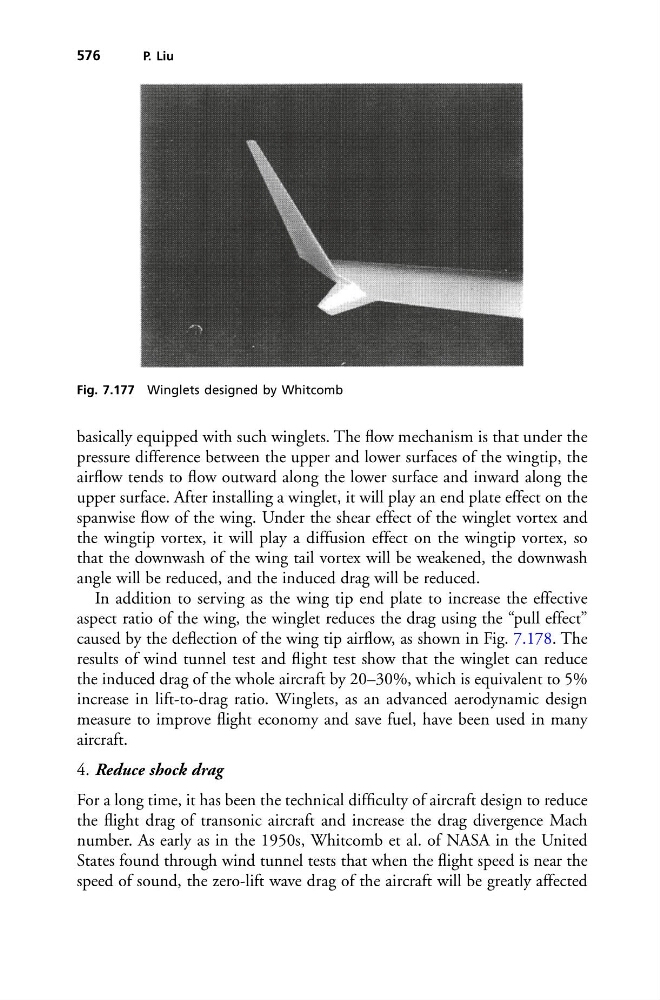
Fig. 7.177 Winglets designed by Whitcomb
basically equipped with such winglets. The flow mechanism is that under the
pressure difference between the upper and lower surfaces of the wingtip, the
airflow tends to flow outward along the lower surface and inward along the
upper surface. After installing a winglet, it will play an end plate effect on the
spanwise flow of the wing. Under the shear effect of the winglet vortex and
the wingtip vortex, it will play a diffusion effect on the wingtip vortex, so
that the downwash of the wing tail vortex will be weakened, the downwash
angle will be reduced, and the induced drag will be reduced.
In addition to serving as the wing tip end plate to increase the effective
aspect ratio of the wing, the winglet reduces the drag using the “pull effect”
caused by the deflection of the wing tip airflow, as shown in Fig. 7.178. The
results of wind tunnel test and flight test show that the winglet can reduce
the induced drag of the whole aircraft by 20–30%, which is equivalent to 5%
increase in lift-to-drag ratio. Winglets, as an advanced aerodynamic design
measure to improve flight economy and save fuel, have been used in many
aircraft.
4. Reduce shock drag
For a long time, it has been the technical difficulty of aircraft design to reduce
the flight drag of transonic aircraft and increase the drag divergence Mach
number. As early as in the 1950s, Whitcomb et al. of NASA in the United
States found through wind tunnel tests that when the flight speed is near the
speed of sound, the zero-lift wave drag of the aircraft will be greatly affected
P. Liu
Fig. 7.177 Winglets designed by Whitcomb
basically equipped with such winglets. The flow mechanism is that under the
pressure difference between the upper and lower surfaces of the wingtip, the
airflow tends to flow outward along the lower surface and inward along the
upper surface. After installing a winglet, it will play an end plate effect on the
spanwise flow of the wing. Under the shear effect of the winglet vortex and
the wingtip vortex, it will play a diffusion effect on the wingtip vortex, so
that the downwash of the wing tail vortex will be weakened, the downwash
angle will be reduced, and the induced drag will be reduced.
In addition to serving as the wing tip end plate to increase the effective
aspect ratio of the wing, the winglet reduces the drag using the “pull effect”
caused by the deflection of the wing tip airflow, as shown in Fig. 7.178. The
results of wind tunnel test and flight test show that the winglet can reduce
the induced drag of the whole aircraft by 20–30%, which is equivalent to 5%
increase in lift-to-drag ratio. Winglets, as an advanced aerodynamic design
measure to improve flight economy and save fuel, have been used in many
aircraft.
4. Reduce shock drag
For a long time, it has been the technical difficulty of aircraft design to reduce
the flight drag of transonic aircraft and increase the drag divergence Mach
number. As early as in the 1950s, Whitcomb et al. of NASA in the United
States found through wind tunnel tests that when the flight speed is near the
speed of sound, the zero-lift wave drag of the aircraft will be greatly affected