

7 Flight Mystery and Aerodynamic Principles
557
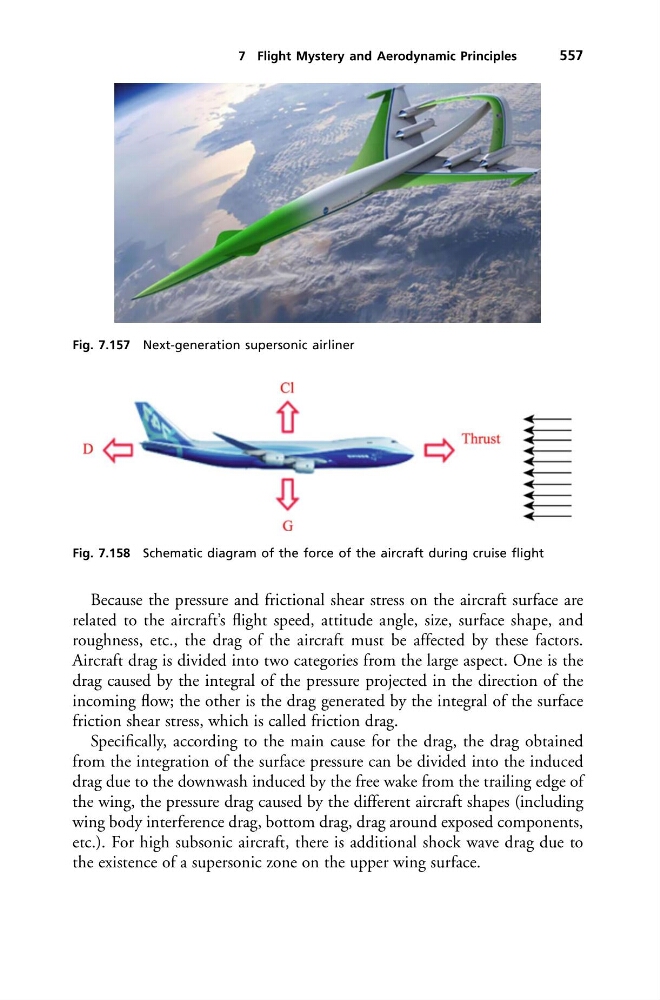
Fig. 7.157 Next-generation supersonic airliner
Fig. 7.158 Schematic diagram of the force of the aircraft during cruise flight
Because the pressure and frictional shear stress on the aircraft surface are
related to the aircraft’s flight speed, attitude angle, size, surface shape, and
roughness, etc., the drag of the aircraft must be affected by these factors.
Aircraft drag is divided into two categories from the large aspect. One is the
drag caused by the integral of the pressure projected in the direction of the
incoming flow; the other is the drag generated by the integral of the surface
friction shear stress, which is called friction drag.
Specifically, according to the main cause for the drag, the drag obtained
from the integration of the surface pressure can be divided into the induced
drag due to the downwash induced by the free wake from the trailing edge of
the wing, the pressure drag caused by the different aircraft shapes (including
wing body interference drag, bottom drag, drag around exposed components,
etc.). For high subsonic aircraft, there is additional shock wave drag due to
the existence of a supersonic zone on the upper wing surface.
557
Fig. 7.157 Next-generation supersonic airliner
Fig. 7.158 Schematic diagram of the force of the aircraft during cruise flight
Because the pressure and frictional shear stress on the aircraft surface are
related to the aircraft’s flight speed, attitude angle, size, surface shape, and
roughness, etc., the drag of the aircraft must be affected by these factors.
Aircraft drag is divided into two categories from the large aspect. One is the
drag caused by the integral of the pressure projected in the direction of the
incoming flow; the other is the drag generated by the integral of the surface
friction shear stress, which is called friction drag.
Specifically, according to the main cause for the drag, the drag obtained
from the integration of the surface pressure can be divided into the induced
drag due to the downwash induced by the free wake from the trailing edge of
the wing, the pressure drag caused by the different aircraft shapes (including
wing body interference drag, bottom drag, drag around exposed components,
etc.). For high subsonic aircraft, there is additional shock wave drag due to
the existence of a supersonic zone on the upper wing surface.