

460
P. Liu
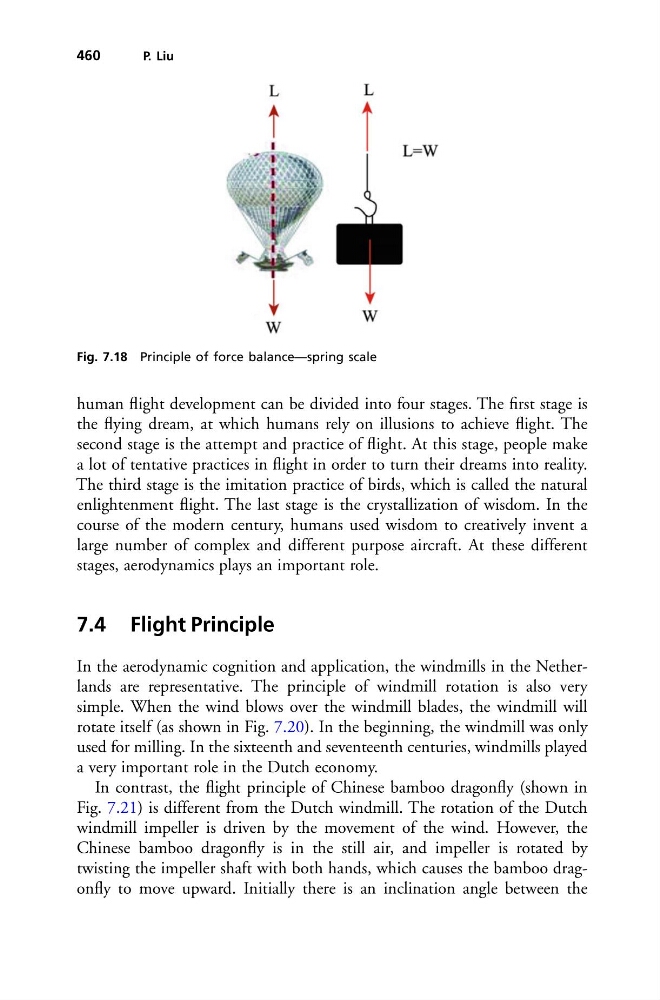
Fig. 7.18 Principle of force balance—spring scale
human flight development can be divided into four stages. The first stage is
the flying dream, at which humans rely on illusions to achieve flight. The
second stage is the attempt and practice of flight. At this stage, people make
a lot of tentative practices in flight in order to turn their dreams into reality.
The third stage is the imitation practice of birds, which is called the natural
enlightenment flight. The last stage is the crystallization of wisdom. In the
course of the modern century, humans used wisdom to creatively invent a
large number of complex and different purpose aircraft. At these different
stages, aerodynamics plays an important role.
7.4 Flight Principle
In the aerodynamic cognition and application, the windmills in the Netherlands are representative. The principle of windmill rotation is also very
simple. When the wind blows over the windmill blades, the windmill will
rotate itself (as shown in Fig. 7.20). In the beginning, the windmill was only
used for milling. In the sixteenth and seventeenth centuries, windmills played
a very important role in the Dutch economy.
In contrast, the flight principle of Chinese bamboo dragonfly (shown in
Fig. 7.21) is different from the Dutch windmill. The rotation of the Dutch
windmill impeller is driven by the movement of the wind. However, the
Chinese bamboo dragonfly is in the still air, and impeller is rotated by
twisting the impeller shaft with both hands, which causes the bamboo dragonfly to move upward. Initially there is an inclination angle between the
P. Liu
Fig. 7.18 Principle of force balance—spring scale
human flight development can be divided into four stages. The first stage is
the flying dream, at which humans rely on illusions to achieve flight. The
second stage is the attempt and practice of flight. At this stage, people make
a lot of tentative practices in flight in order to turn their dreams into reality.
The third stage is the imitation practice of birds, which is called the natural
enlightenment flight. The last stage is the crystallization of wisdom. In the
course of the modern century, humans used wisdom to creatively invent a
large number of complex and different purpose aircraft. At these different
stages, aerodynamics plays an important role.
7.4 Flight Principle
In the aerodynamic cognition and application, the windmills in the Netherlands are representative. The principle of windmill rotation is also very
simple. When the wind blows over the windmill blades, the windmill will
rotate itself (as shown in Fig. 7.20). In the beginning, the windmill was only
used for milling. In the sixteenth and seventeenth centuries, windmills played
a very important role in the Dutch economy.
In contrast, the flight principle of Chinese bamboo dragonfly (shown in
Fig. 7.21) is different from the Dutch windmill. The rotation of the Dutch
windmill impeller is driven by the movement of the wind. However, the
Chinese bamboo dragonfly is in the still air, and impeller is rotated by
twisting the impeller shaft with both hands, which causes the bamboo dragonfly to move upward. Initially there is an inclination angle between the