

7 Flight Mystery and Aerodynamic Principles
447
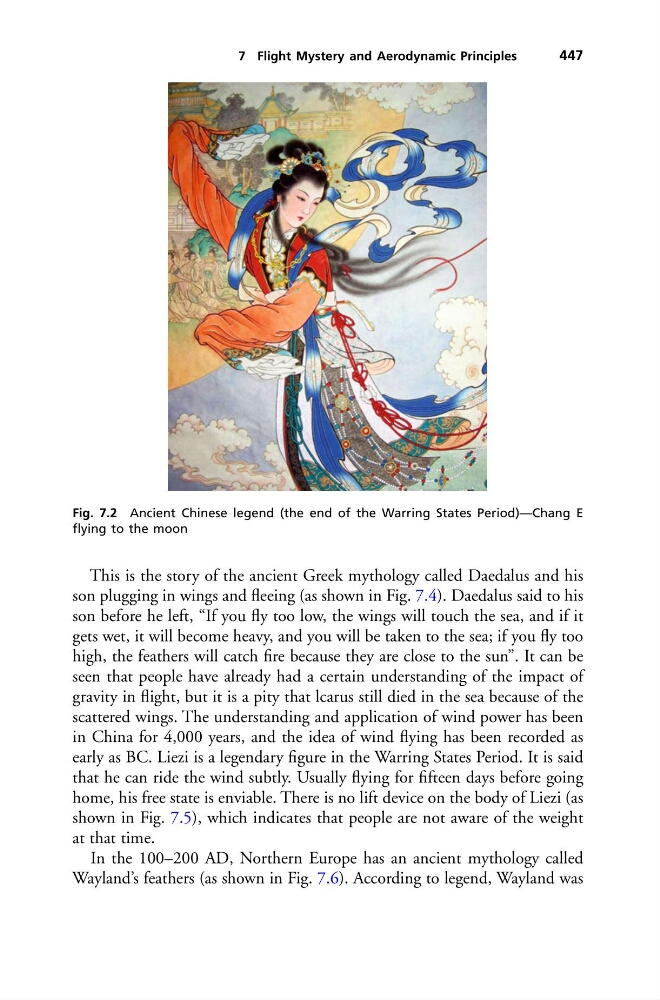
Fig. 7.2 Ancient Chinese legend (the end of the Warring States Period)—Chang E
flying to the moon
This is the story of the ancient Greek mythology called Daedalus and his
son plugging in wings and fleeing (as shown in Fig. 7.4). Daedalus said to his
son before he left, “If you fly too low, the wings will touch the sea, and if it
gets wet, it will become heavy, and you will be taken to the sea; if you fly too
high, the feathers will catch fire because they are close to the sun”. It can be
seen that people have already had a certain understanding of the impact of
gravity in flight, but it is a pity that lcarus still died in the sea because of the
scattered wings. The understanding and application of wind power has been
in China for 4,000 years, and the idea of wind flying has been recorded as
early as BC. Liezi is a legendary figure in the Warring States Period. It is said
that he can ride the wind subtly. Usually flying for fifteen days before going
home, his free state is enviable. There is no lift device on the body of Liezi (as
shown in Fig. 7.5), which indicates that people are not aware of the weight
at that time.
In the 100–200 AD, Northern Europe has an ancient mythology called
Wayland’s feathers (as shown in Fig. 7.6). According to legend, Wayland was
447
Fig. 7.2 Ancient Chinese legend (the end of the Warring States Period)—Chang E
flying to the moon
This is the story of the ancient Greek mythology called Daedalus and his
son plugging in wings and fleeing (as shown in Fig. 7.4). Daedalus said to his
son before he left, “If you fly too low, the wings will touch the sea, and if it
gets wet, it will become heavy, and you will be taken to the sea; if you fly too
high, the feathers will catch fire because they are close to the sun”. It can be
seen that people have already had a certain understanding of the impact of
gravity in flight, but it is a pity that lcarus still died in the sea because of the
scattered wings. The understanding and application of wind power has been
in China for 4,000 years, and the idea of wind flying has been recorded as
early as BC. Liezi is a legendary figure in the Warring States Period. It is said
that he can ride the wind subtly. Usually flying for fifteen days before going
home, his free state is enviable. There is no lift device on the body of Liezi (as
shown in Fig. 7.5), which indicates that people are not aware of the weight
at that time.
In the 100–200 AD, Northern Europe has an ancient mythology called
Wayland’s feathers (as shown in Fig. 7.6). According to legend, Wayland was