

treatment, nanoparticles may be used as sorbents or reactive agents (like
photocatalysts or redox agents). Nanoparticles are also used in membranes for
nanofiltration. Nanoparticle-based filtration techniques can be used for controlling
air pollution. Automobile tailpipes and factory smokestacks fitted with nanofilters
will be able to separate contaminants and will prevent their atmospheric entry.
Nanosensors can be used to detect toxic gas leakage even at extremely low
concentrations.
9.2.2 Crop Improvement
Nanotechnology has lured scientists to think differently. It has been able to modify
the genetic makeup of the crops, which has otherwise been possible through
mutation breeding. A nanotech research endeavor in Thailand aimed to modify the
characteristics of indigenous rice cultivars, including the famous jasmine rice, at
atomic level. It is an endeavor to rule out the controversy over genetically modified
organisms (GMOs) as the nanobiotech helps agriculture to avoid the argument of
GMOs and to reach to the next level – atomically modified organisms (AMOs).
According to BIOTHAI, scientists of nuclear physics lab at Chiang Mai University
have stepped forward and have been successful to modify the color of an indigenous
rice cultivar, “Khao Kam,” using nanotechnology. The meaning of the word “Kam”
is deep purple, and the cultivar is known for the purple stem, leaves, and grains. The
purple color of the stems and leaves of the cultivar has been changed from purple to
green by the scientists using nanotechnology. Scientists of the research group told
that their next target is to deal with jasmine rice. They are targeting to breed a
modified jasmine cultivar which will be photo-insensitive and can be cultivated
throughout the year, having dwarf stems and better color of grain (Anonymous 2004;
Prasanna 2007). The researchers at Chiang Mai are using a type of mutation
breeding. They are trying to find out an ideal passage through the cell wall and
A
B
Injection of immobile nanoparticles
Injection of immobile nanoparticles
Groundwater flow
direction
Immobile particles used
to establish a static
reactive treatment zone
Contaminated
groundwater plume
Treated
groundwater
Perimeter injection points
Particles carried by
groundwater flow into
the treatment zone.
Nanoparticle injection at or upstream
of pollution source to destory or immobilise
the contaminant
Layer of low
permeability
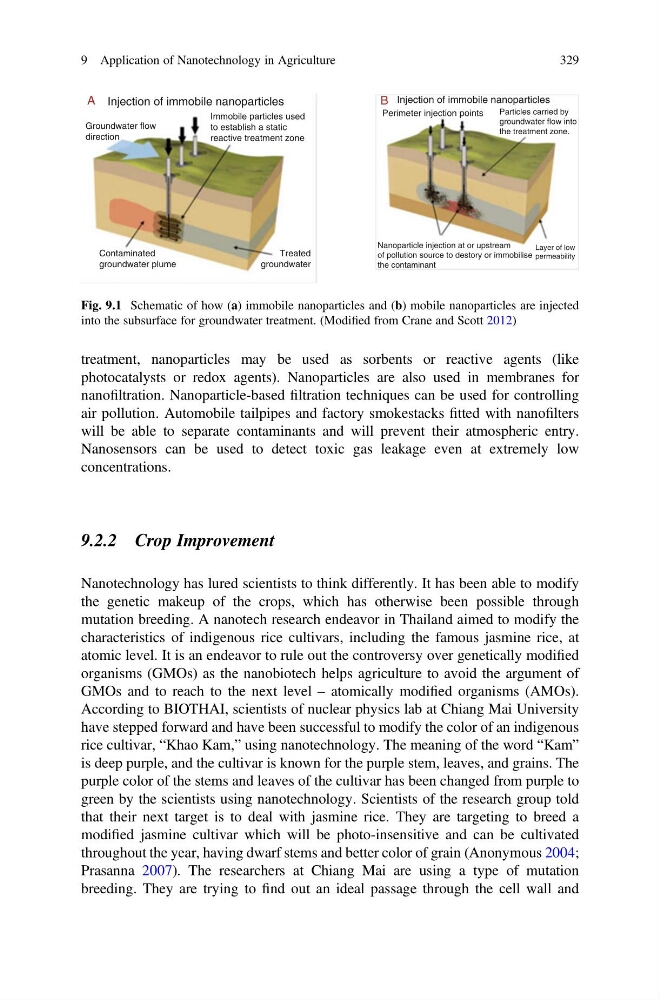
Fig. 9.1 Schematic of how (a) immobile nanoparticles and (b) mobile nanoparticles are injected
into the subsurface for groundwater treatment. (Modified from Crane and Scott 2012)
9 Application of Nanotechnology in Agriculture
329
photocatalysts or redox agents). Nanoparticles are also used in membranes for
nanofiltration. Nanoparticle-based filtration techniques can be used for controlling
air pollution. Automobile tailpipes and factory smokestacks fitted with nanofilters
will be able to separate contaminants and will prevent their atmospheric entry.
Nanosensors can be used to detect toxic gas leakage even at extremely low
concentrations.
9.2.2 Crop Improvement
Nanotechnology has lured scientists to think differently. It has been able to modify
the genetic makeup of the crops, which has otherwise been possible through
mutation breeding. A nanotech research endeavor in Thailand aimed to modify the
characteristics of indigenous rice cultivars, including the famous jasmine rice, at
atomic level. It is an endeavor to rule out the controversy over genetically modified
organisms (GMOs) as the nanobiotech helps agriculture to avoid the argument of
GMOs and to reach to the next level – atomically modified organisms (AMOs).
According to BIOTHAI, scientists of nuclear physics lab at Chiang Mai University
have stepped forward and have been successful to modify the color of an indigenous
rice cultivar, “Khao Kam,” using nanotechnology. The meaning of the word “Kam”
is deep purple, and the cultivar is known for the purple stem, leaves, and grains. The
purple color of the stems and leaves of the cultivar has been changed from purple to
green by the scientists using nanotechnology. Scientists of the research group told
that their next target is to deal with jasmine rice. They are targeting to breed a
modified jasmine cultivar which will be photo-insensitive and can be cultivated
throughout the year, having dwarf stems and better color of grain (Anonymous 2004;
Prasanna 2007). The researchers at Chiang Mai are using a type of mutation
breeding. They are trying to find out an ideal passage through the cell wall and
A
B
Injection of immobile nanoparticles
Injection of immobile nanoparticles
Groundwater flow
direction
Immobile particles used
to establish a static
reactive treatment zone
Contaminated
groundwater plume
Treated
groundwater
Perimeter injection points
Particles carried by
groundwater flow into
the treatment zone.
Nanoparticle injection at or upstream
of pollution source to destory or immobilise
the contaminant
Layer of low
permeability
Fig. 9.1 Schematic of how (a) immobile nanoparticles and (b) mobile nanoparticles are injected
into the subsurface for groundwater treatment. (Modified from Crane and Scott 2012)
9 Application of Nanotechnology in Agriculture
329