

The synergic effect is discussed in terms of the action of carbon nanotubes as
dispersing media for TiO 2 particles as well as their action as photosensitizers. The
relative efficiency of the catalysts is related to the work function of each metal and
the sizes of the metal nanoparticles.
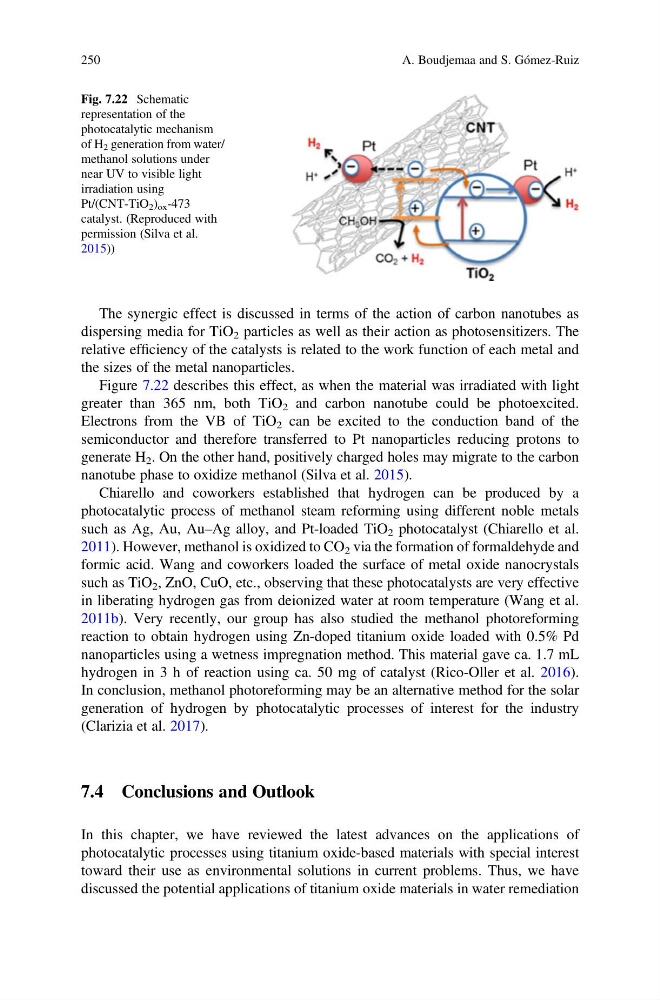
Figure 7.22 describes this effect, as when the material was irradiated with light
greater than 365 nm, both TiO 2 and carbon nanotube could be photoexcited.
Electrons from the VB of TiO 2 can be excited to the conduction band of the
semiconductor and therefore transferred to Pt nanoparticles reducing protons to
generate H 2 . On the other hand, positively charged holes may migrate to the carbon
nanotube phase to oxidize methanol (Silva et al. 2015).
Chiarello and coworkers established that hydrogen can be produced by a
photocatalytic process of methanol steam reforming using different noble metals
such as Ag, Au, Au–Ag alloy, and Pt-loaded TiO 2 photocatalyst (Chiarello et al.
2011). However, methanol is oxidized to CO 2 via the formation of formaldehyde and
formic acid. Wang and coworkers loaded the surface of metal oxide nanocrystals
such as TiO 2 , ZnO, CuO, etc., observing that these photocatalysts are very effective
in liberating hydrogen gas from deionized water at room temperature (Wang et al.
2011b). Very recently, our group has also studied the methanol photoreforming
reaction to obtain hydrogen using Zn-doped titanium oxide loaded with 0.5% Pd
nanoparticles using a wetness impregnation method. This material gave ca. 1.7 mL
hydrogen in 3 h of reaction using ca. 50 mg of catalyst (Rico-Oller et al. 2016).
In conclusion, methanol photoreforming may be an alternative method for the solar
generation of hydrogen by photocatalytic processes of interest for the industry
(Clarizia et al. 2017).
7.4 Conclusions and Outlook
In this chapter, we have reviewed the latest advances on the applications of
photocatalytic processes using titanium oxide-based materials with special interest
toward their use as environmental solutions in current problems. Thus, we have
discussed the potential applications of titanium oxide materials in water remediation
Fig. 7.22 Schematic
representation of the
photocatalytic mechanism
of H 2 generation from water/
methanol solutions under
near UV to visible light
irradiation using
Pt/(CNT-TiO 2 ) ox -473
catalyst. (Reproduced with
permission (Silva et al.
2015))
250
A. Boudjemaa and S. Gómez-Ruiz
dispersing media for TiO 2 particles as well as their action as photosensitizers. The
relative efficiency of the catalysts is related to the work function of each metal and
the sizes of the metal nanoparticles.
Figure 7.22 describes this effect, as when the material was irradiated with light
greater than 365 nm, both TiO 2 and carbon nanotube could be photoexcited.
Electrons from the VB of TiO 2 can be excited to the conduction band of the
semiconductor and therefore transferred to Pt nanoparticles reducing protons to
generate H 2 . On the other hand, positively charged holes may migrate to the carbon
nanotube phase to oxidize methanol (Silva et al. 2015).
Chiarello and coworkers established that hydrogen can be produced by a
photocatalytic process of methanol steam reforming using different noble metals
such as Ag, Au, Au–Ag alloy, and Pt-loaded TiO 2 photocatalyst (Chiarello et al.
2011). However, methanol is oxidized to CO 2 via the formation of formaldehyde and
formic acid. Wang and coworkers loaded the surface of metal oxide nanocrystals
such as TiO 2 , ZnO, CuO, etc., observing that these photocatalysts are very effective
in liberating hydrogen gas from deionized water at room temperature (Wang et al.
2011b). Very recently, our group has also studied the methanol photoreforming
reaction to obtain hydrogen using Zn-doped titanium oxide loaded with 0.5% Pd
nanoparticles using a wetness impregnation method. This material gave ca. 1.7 mL
hydrogen in 3 h of reaction using ca. 50 mg of catalyst (Rico-Oller et al. 2016).
In conclusion, methanol photoreforming may be an alternative method for the solar
generation of hydrogen by photocatalytic processes of interest for the industry
(Clarizia et al. 2017).
7.4 Conclusions and Outlook
In this chapter, we have reviewed the latest advances on the applications of
photocatalytic processes using titanium oxide-based materials with special interest
toward their use as environmental solutions in current problems. Thus, we have
discussed the potential applications of titanium oxide materials in water remediation
Fig. 7.22 Schematic
representation of the
photocatalytic mechanism
of H 2 generation from water/
methanol solutions under
near UV to visible light
irradiation using
Pt/(CNT-TiO 2 ) ox -473
catalyst. (Reproduced with
permission (Silva et al.
2015))
250
A. Boudjemaa and S. Gómez-Ruiz