

also due to the unique physicochemical properties of carbon such as low electrical
resistivity, high thermal conductivity, and large surface area (Dillon 2010;
Boudjemaa et al. 2015).
Ranganathan and co-authors synthesized some novel films based on composites
of the type TiO 2 /hollow carbon spheres (HCS) which have been recently used as
photoanodes in PEC water-splitting tests. Nitrogen-doped HCSs (NHCSs) and
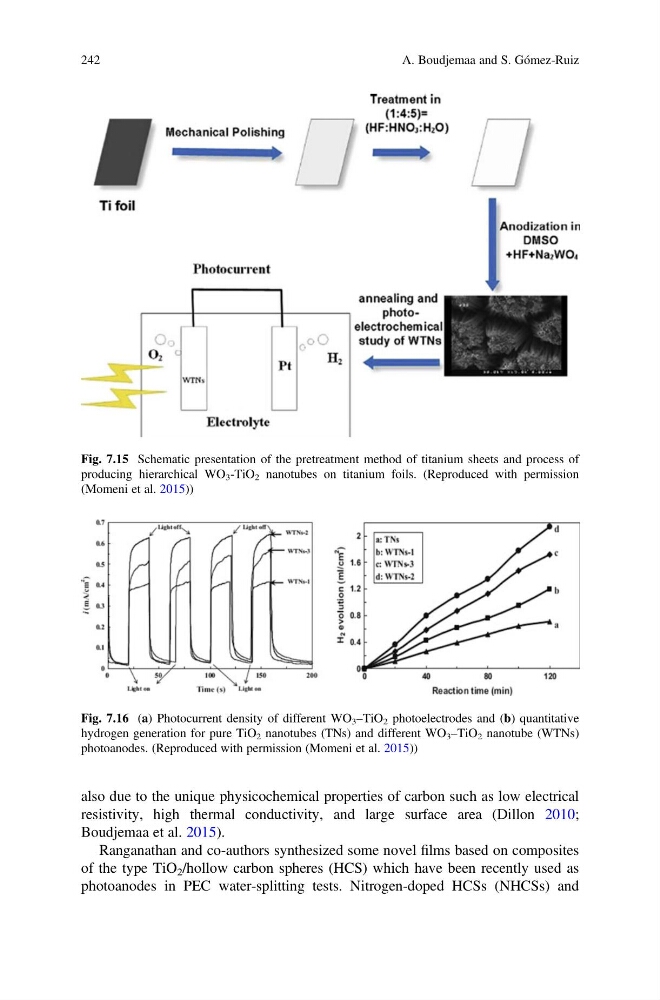
Fig. 7.15 Schematic presentation of the pretreatment method of titanium sheets and process of
producing hierarchical WO 3 -TiO 2 nanotubes on titanium foils. (Reproduced with permission
(Momeni et al. 2015))
Fig. 7.16 (a) Photocurrent density of different WO 3 –TiO 2 photoelectrodes and (b) quantitative
hydrogen generation for pure TiO 2 nanotubes (TNs) and different WO 3 –TiO 2 nanotube (WTNs)
photoanodes. (Reproduced with permission (Momeni et al. 2015))
242
A. Boudjemaa and S. Gómez-Ruiz
resistivity, high thermal conductivity, and large surface area (Dillon 2010;
Boudjemaa et al. 2015).
Ranganathan and co-authors synthesized some novel films based on composites
of the type TiO 2 /hollow carbon spheres (HCS) which have been recently used as
photoanodes in PEC water-splitting tests. Nitrogen-doped HCSs (NHCSs) and
Fig. 7.15 Schematic presentation of the pretreatment method of titanium sheets and process of
producing hierarchical WO 3 -TiO 2 nanotubes on titanium foils. (Reproduced with permission
(Momeni et al. 2015))
Fig. 7.16 (a) Photocurrent density of different WO 3 –TiO 2 photoelectrodes and (b) quantitative
hydrogen generation for pure TiO 2 nanotubes (TNs) and different WO 3 –TiO 2 nanotube (WTNs)
photoanodes. (Reproduced with permission (Momeni et al. 2015))
242
A. Boudjemaa and S. Gómez-Ruiz