

283
18.4.3 Sri Lanka Case Study
Research findings revealed that companies need to become duly accountable to
external stakeholders and the environment they operate within. A sample of 20 companies was selected across different sectors in Sri Lanka. The analysis shows that
42% of the companies do not exercise external accountability. Twenty-five (25) per
cent of the companies account for sustainability policy but fail in translating it into
practice. Approximately 33% of companies account for sustainability performance
usually in the form of philanthropy. It is surprising that none of the businesses
selected fully account for their sustainability performance. These results show that
internal accountability is the preferred approach to respond for corporate performance. However, in those cases in which external accountability is exercised,
research findings showed that corporations hold limited capacity to be duly accountable. Figure 18.3 presents the status of accountability of companies adhered to the
network in Sri Lanka.
Evidence indicates that accountability in Sri Lanka is often used to gain political
advantage, rather than as a business strategy to truly account for corporate performance. In response to this, the government is more often playing a stronger role to
encourage businesses to boost their capacity on business ethics (Bedewella and
Fairbrass 2016).
Stronger government intervention facilitates the prevention, detection, investigation, and prosecution of the offences of money laundering and the financing of terrorism, respectively. In the Sri Lankan case, government institutions undertake due
diligence measures to combat money laundering and the financing of terrorism. A
case in point is the Ministry of Finance and Planning, whose responsibility is to
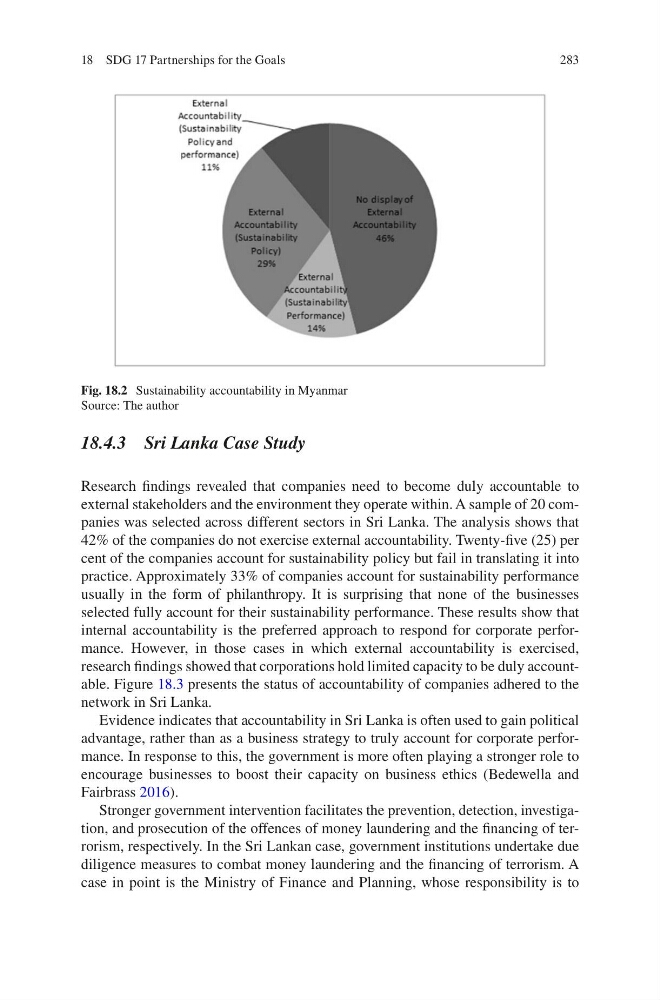
Fig. 18.2 Sustainability accountability in Myanmar
Source: The author
18 SDG 17 Partnerships for the Goals
18.4.3 Sri Lanka Case Study
Research findings revealed that companies need to become duly accountable to
external stakeholders and the environment they operate within. A sample of 20 companies was selected across different sectors in Sri Lanka. The analysis shows that
42% of the companies do not exercise external accountability. Twenty-five (25) per
cent of the companies account for sustainability policy but fail in translating it into
practice. Approximately 33% of companies account for sustainability performance
usually in the form of philanthropy. It is surprising that none of the businesses
selected fully account for their sustainability performance. These results show that
internal accountability is the preferred approach to respond for corporate performance. However, in those cases in which external accountability is exercised,
research findings showed that corporations hold limited capacity to be duly accountable. Figure 18.3 presents the status of accountability of companies adhered to the
network in Sri Lanka.
Evidence indicates that accountability in Sri Lanka is often used to gain political
advantage, rather than as a business strategy to truly account for corporate performance. In response to this, the government is more often playing a stronger role to
encourage businesses to boost their capacity on business ethics (Bedewella and
Fairbrass 2016).
Stronger government intervention facilitates the prevention, detection, investigation, and prosecution of the offences of money laundering and the financing of terrorism, respectively. In the Sri Lankan case, government institutions undertake due
diligence measures to combat money laundering and the financing of terrorism. A
case in point is the Ministry of Finance and Planning, whose responsibility is to
Fig. 18.2 Sustainability accountability in Myanmar
Source: The author
18 SDG 17 Partnerships for the Goals