

203
opportunities in sectors other than mining. “What is worse is that these actions are
delivered over and over, becoming a waste of resources” (Civil Society Representative,
Interview, October, 2012). There is a strong perception from government representatives that there is an increasing interest coming from stakeholders, (particularly governments and companies) in up-skilling communities: “We are interested in
demonstrating that we can do responsible mining … we want mining to provide us
with wealth. However, it is not just about money, it is also about accessing other
services such as education” (Government Representative, Interview, October, 2012).
However, the current approach is not effective for locals. The existing top-down
development approach has become a reactive rather than a proactive and genuine
approach. The research indicates that communities no longer need more initiatives
in the form of just education but need a combination of this primary asset with other
forms of human capital-like entrepreneurship, employment opportunities and
income generation (Franco 2014). This will result in the realisation of communities’
potential and the development of sustainable livelihood options different from mining and more accurate to Antioquia’s context.
A second factor concerns the limited understanding of entrepreneurship for community wellbeing as an approach to development. Community wellbeing is about
Key Features:
-community up-skilling for specific industry
Limitations:
-top down external imposition
-programs relevant to focal industry only
-rivet effect as community made
vulnerable to fortunes of focal industry
leading to adverse knock-on consequences
for other sectors
-more about skill development than
community development
-less attuned and committed to multiple
aspects of community wellbeing and their
co-evolution
-community fracturing
-possible employment gender bias
-
c
-
a
Benefits:
-brings employment opportunities
-brings resources for community
infrastructure development
-local economic development
-increased taxation revenue
-boost to local retail trade from
industry employees
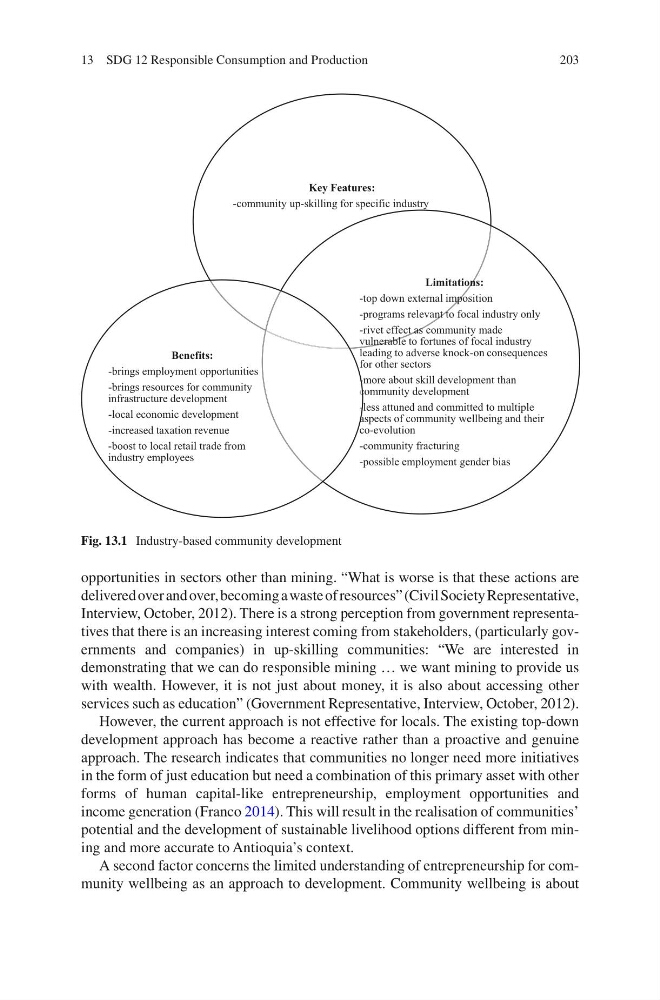
Fig. 13.1 Industry-based community development
13 SDG 12 Responsible Consumption and Production
opportunities in sectors other than mining. “What is worse is that these actions are
delivered over and over, becoming a waste of resources” (Civil Society Representative,
Interview, October, 2012). There is a strong perception from government representatives that there is an increasing interest coming from stakeholders, (particularly governments and companies) in up-skilling communities: “We are interested in
demonstrating that we can do responsible mining … we want mining to provide us
with wealth. However, it is not just about money, it is also about accessing other
services such as education” (Government Representative, Interview, October, 2012).
However, the current approach is not effective for locals. The existing top-down
development approach has become a reactive rather than a proactive and genuine
approach. The research indicates that communities no longer need more initiatives
in the form of just education but need a combination of this primary asset with other
forms of human capital-like entrepreneurship, employment opportunities and
income generation (Franco 2014). This will result in the realisation of communities’
potential and the development of sustainable livelihood options different from mining and more accurate to Antioquia’s context.
A second factor concerns the limited understanding of entrepreneurship for community wellbeing as an approach to development. Community wellbeing is about
Key Features:
-community up-skilling for specific industry
Limitations:
-top down external imposition
-programs relevant to focal industry only
-rivet effect as community made
vulnerable to fortunes of focal industry
leading to adverse knock-on consequences
for other sectors
-more about skill development than
community development
-less attuned and committed to multiple
aspects of community wellbeing and their
co-evolution
-community fracturing
-possible employment gender bias
-
c
-
a
Benefits:
-brings employment opportunities
-brings resources for community
infrastructure development
-local economic development
-increased taxation revenue
-boost to local retail trade from
industry employees
Fig. 13.1 Industry-based community development
13 SDG 12 Responsible Consumption and Production