

88
I. G. Breaban and A. I. Breaban
15.5
16
16.5
17
17.5
18
18.5
19
19.5
20
20.5
21
1992
1993
1994
1995
1996
1997
1998
1999
2000
2001
2002
2003
2004
2005
2006
2007
2008
2009
2010
2011
2012
mgNO3/L
EU GW nitrate 1992-2012 (400)
EU GW nitrate 2000-2012 (1242)
0
0.5
1
1.5
2
2.5
3
1992
1993
1994
1995
1996
1997
1998
1999
2000
2001
2002
2003
2004
2005
2006
2007
2008
2009
2010
2011
2012
mgN/L
EU Rivers nitrate 1992-2012 (1059)
EU Rivers nitrate 2000-2012 (1653)
Romania -Rivers - nitrate
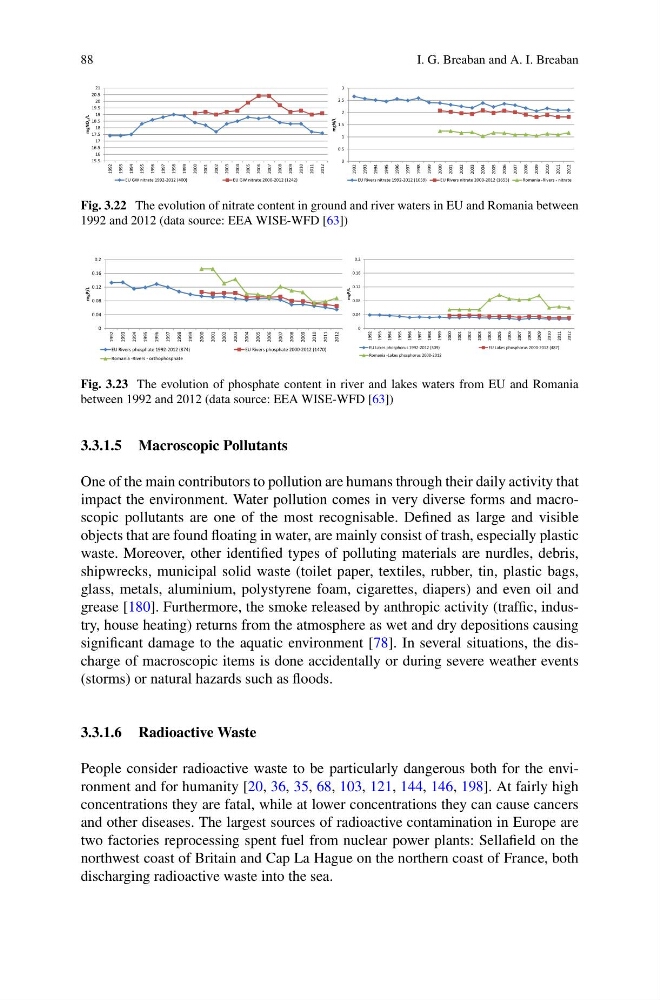
Fig. 3.22 The evolution of nitrate content in ground and river waters in EU and Romania between
1992 and 2012 (data source: EEA WISE-WFD [63])
0
0.04
0.08
0.12
0.16
0.2
1992
1993
1994
1995
1996
1997
1998
1999
2000
2001
2002
2003
2004
2005
2006
2007
2008
2009
2010
2011
2012
mgP/L
EU Rivers phosphate 1992-2012 (874)
EU Rivers phosphate 2000-2012 (1470)
Romania -Rivers - orthophosphate
0
0.04
0.08
0.12
0.16
0.2
1992
1993
1994
1995
1996
1997
1998
1999
2000
2001
2002
2003
2004
2005
2006
2007
2008
2009
2010
2011
2012
mgP/L
EU Lakes phosphorus 1992-2012 (309)
EU Lakes phosphorus 2000-2012 (487)
Romania -Lakes phosphorus 2000-2012
Fig. 3.23 The evolution of phosphate content in river and lakes waters from EU and Romania
between 1992 and 2012 (data source: EEA WISE-WFD [63])
3.3.1.5 Macroscopic Pollutants
One of the main contributors to pollution are humans through their daily activity that
impact the environment. Water pollution comes in very diverse forms and macroscopic pollutants are one of the most recognisable. Defined as large and visible
objects that are found floating in water, are mainly consist of trash, especially plastic
waste. Moreover, other identified types of polluting materials are nurdles, debris,
shipwrecks, municipal solid waste (toilet paper, textiles, rubber, tin, plastic bags,
glass, metals, aluminium, polystyrene foam, cigarettes, diapers) and even oil and
grease [180]. Furthermore, the smoke released by anthropic activity (traffic, industry, house heating) returns from the atmosphere as wet and dry depositions causing
significant damage to the aquatic environment [78]. In several situations, the discharge of macroscopic items is done accidentally or during severe weather events
(storms) or natural hazards such as floods.
3.3.1.6 Radioactive Waste
People consider radioactive waste to be particularly dangerous both for the environment and for humanity [20, 36, 35, 68, 103, 121, 144, 146, 198]. At fairly high
concentrations they are fatal, while at lower concentrations they can cause cancers
and other diseases. The largest sources of radioactive contamination in Europe are
two factories reprocessing spent fuel from nuclear power plants: Sellafield on the
northwest coast of Britain and Cap La Hague on the northern coast of France, both
discharging radioactive waste into the sea.
I. G. Breaban and A. I. Breaban
15.5
16
16.5
17
17.5
18
18.5
19
19.5
20
20.5
21
1992
1993
1994
1995
1996
1997
1998
1999
2000
2001
2002
2003
2004
2005
2006
2007
2008
2009
2010
2011
2012
mgNO3/L
EU GW nitrate 1992-2012 (400)
EU GW nitrate 2000-2012 (1242)
0
0.5
1
1.5
2
2.5
3
1992
1993
1994
1995
1996
1997
1998
1999
2000
2001
2002
2003
2004
2005
2006
2007
2008
2009
2010
2011
2012
mgN/L
EU Rivers nitrate 1992-2012 (1059)
EU Rivers nitrate 2000-2012 (1653)
Romania -Rivers - nitrate
Fig. 3.22 The evolution of nitrate content in ground and river waters in EU and Romania between
1992 and 2012 (data source: EEA WISE-WFD [63])
0
0.04
0.08
0.12
0.16
0.2
1992
1993
1994
1995
1996
1997
1998
1999
2000
2001
2002
2003
2004
2005
2006
2007
2008
2009
2010
2011
2012
mgP/L
EU Rivers phosphate 1992-2012 (874)
EU Rivers phosphate 2000-2012 (1470)
Romania -Rivers - orthophosphate
0
0.04
0.08
0.12
0.16
0.2
1992
1993
1994
1995
1996
1997
1998
1999
2000
2001
2002
2003
2004
2005
2006
2007
2008
2009
2010
2011
2012
mgP/L
EU Lakes phosphorus 1992-2012 (309)
EU Lakes phosphorus 2000-2012 (487)
Romania -Lakes phosphorus 2000-2012
Fig. 3.23 The evolution of phosphate content in river and lakes waters from EU and Romania
between 1992 and 2012 (data source: EEA WISE-WFD [63])
3.3.1.5 Macroscopic Pollutants
One of the main contributors to pollution are humans through their daily activity that
impact the environment. Water pollution comes in very diverse forms and macroscopic pollutants are one of the most recognisable. Defined as large and visible
objects that are found floating in water, are mainly consist of trash, especially plastic
waste. Moreover, other identified types of polluting materials are nurdles, debris,
shipwrecks, municipal solid waste (toilet paper, textiles, rubber, tin, plastic bags,
glass, metals, aluminium, polystyrene foam, cigarettes, diapers) and even oil and
grease [180]. Furthermore, the smoke released by anthropic activity (traffic, industry, house heating) returns from the atmosphere as wet and dry depositions causing
significant damage to the aquatic environment [78]. In several situations, the discharge of macroscopic items is done accidentally or during severe weather events
(storms) or natural hazards such as floods.
3.3.1.6 Radioactive Waste
People consider radioactive waste to be particularly dangerous both for the environment and for humanity [20, 36, 35, 68, 103, 121, 144, 146, 198]. At fairly high
concentrations they are fatal, while at lower concentrations they can cause cancers
and other diseases. The largest sources of radioactive contamination in Europe are
two factories reprocessing spent fuel from nuclear power plants: Sellafield on the
northwest coast of Britain and Cap La Hague on the northern coast of France, both
discharging radioactive waste into the sea.