

68
I. G. Breaban and A. I. Breaban
Overall status
of water
Ecological
Status
Biological
elements
Fish,
Invertebrates,
Macrophytes,
Phytobentos
Physico-chemical
elements
Ammonia,
Biological oxygen,
Dissolved oxygen,
pH lower,
Phosphate,
pH upper,
Temperature
Specific
pollutants
Zinc, arsenic, etc
Hydromorphology
elements
Depth, width, flow,
barriers
Chemical
status
Priority
substances
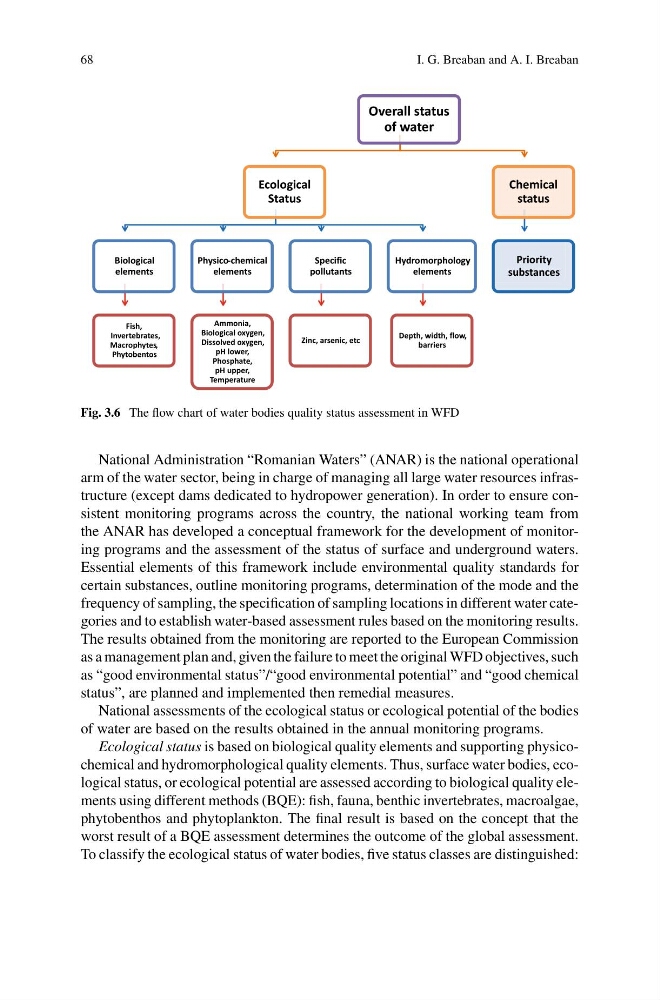
Fig. 3.6 The flow chart of water bodies quality status assessment in WFD
National Administration “Romanian Waters” (ANAR) is the national operational
arm of the water sector, being in charge of managing all large water resources infrastructure (except dams dedicated to hydropower generation). In order to ensure consistent monitoring programs across the country, the national working team from
the ANAR has developed a conceptual framework for the development of monitoring programs and the assessment of the status of surface and underground waters.
Essential elements of this framework include environmental quality standards for
certain substances, outline monitoring programs, determination of the mode and the
frequency of sampling, the specification of sampling locations in different water categories and to establish water-based assessment rules based on the monitoring results.
The results obtained from the monitoring are reported to the European Commission
as a management plan and, given the failure to meet the original WFD objectives, such
as “good environmental status”/“good environmental potential” and “good chemical
status”, are planned and implemented then remedial measures.
National assessments of the ecological status or ecological potential of the bodies
of water are based on the results obtained in the annual monitoring programs.
Ecological status is based on biological quality elements and supporting physicochemical and hydromorphological quality elements. Thus, surface water bodies, ecological status, or ecological potential are assessed according to biological quality elements using different methods (BQE): fish, fauna, benthic invertebrates, macroalgae,
phytobenthos and phytoplankton. The final result is based on the concept that the
worst result of a BQE assessment determines the outcome of the global assessment.
To classify the ecological status of water bodies, five status classes are distinguished:
I. G. Breaban and A. I. Breaban
Overall status
of water
Ecological
Status
Biological
elements
Fish,
Invertebrates,
Macrophytes,
Phytobentos
Physico-chemical
elements
Ammonia,
Biological oxygen,
Dissolved oxygen,
pH lower,
Phosphate,
pH upper,
Temperature
Specific
pollutants
Zinc, arsenic, etc
Hydromorphology
elements
Depth, width, flow,
barriers
Chemical
status
Priority
substances
Fig. 3.6 The flow chart of water bodies quality status assessment in WFD
National Administration “Romanian Waters” (ANAR) is the national operational
arm of the water sector, being in charge of managing all large water resources infrastructure (except dams dedicated to hydropower generation). In order to ensure consistent monitoring programs across the country, the national working team from
the ANAR has developed a conceptual framework for the development of monitoring programs and the assessment of the status of surface and underground waters.
Essential elements of this framework include environmental quality standards for
certain substances, outline monitoring programs, determination of the mode and the
frequency of sampling, the specification of sampling locations in different water categories and to establish water-based assessment rules based on the monitoring results.
The results obtained from the monitoring are reported to the European Commission
as a management plan and, given the failure to meet the original WFD objectives, such
as “good environmental status”/“good environmental potential” and “good chemical
status”, are planned and implemented then remedial measures.
National assessments of the ecological status or ecological potential of the bodies
of water are based on the results obtained in the annual monitoring programs.
Ecological status is based on biological quality elements and supporting physicochemical and hydromorphological quality elements. Thus, surface water bodies, ecological status, or ecological potential are assessed according to biological quality elements using different methods (BQE): fish, fauna, benthic invertebrates, macroalgae,
phytobenthos and phytoplankton. The final result is based on the concept that the
worst result of a BQE assessment determines the outcome of the global assessment.
To classify the ecological status of water bodies, five status classes are distinguished: