

323
permanent settlements in the coast of Sonora: Punta Chueca (Socaaix) and
Desemboque (Haxöl Iihom). Incorporated in the regional economies as small-scale
commercial fishermen and wildlife managers, the Comcaac subsistence patterns
and concomitant forms of social cohesion have experienced drastic transformations
in the last century. Aiming to shed light on the implications that these changing
conditions have had in the way this indigenous society approach and govern their
environment, the present chapter broadly documents these transformations, emphasizing the relation between social cohesion, ecological knowledge, and environmental governance.
The objective of this ethnohistorical and ethnographic account is to shed light on
the ways social cohesion and individualism have been negotiated throughout
Comcaac history and the ways in which this negotiation has impacted the governance of their environment. Importantly, this is a story of radical tensions and transitions between common tenure of resources and their privatization or commodification;
between metaphysical and institutional forms of power; between traditional forms
of environmental knowledge and their academic translations; between malleable
residential patterns of appropriating the territory and sedentarized lifestyles; and,
inevitably, between indigenous and neoliberal forms of indigenous governance.
It could be argued that historically there is no aspect of the Comcaac form of life
in the Sonoran Desert that has not been affected, first, by the colonial encounter and
then by their incorporation into the Mexican state. And yet, the Comcaac retain
important cultural principles that differ in fundamental ways from the ways of their
contemporary Mexican and North American interlocutors; differences that hold
fundamental implications in the way they govern and manage their environment.
1
In
this context, our aim is to emphasize the plasticity of Comcaac social cohesion as it
1 See Basurto (2005, 2006, 2008) for an analysis of how different land/maritime tenure systems
produce radically different sustainable environmental management practices between Mestizo
Mexicans and Comcaac people.
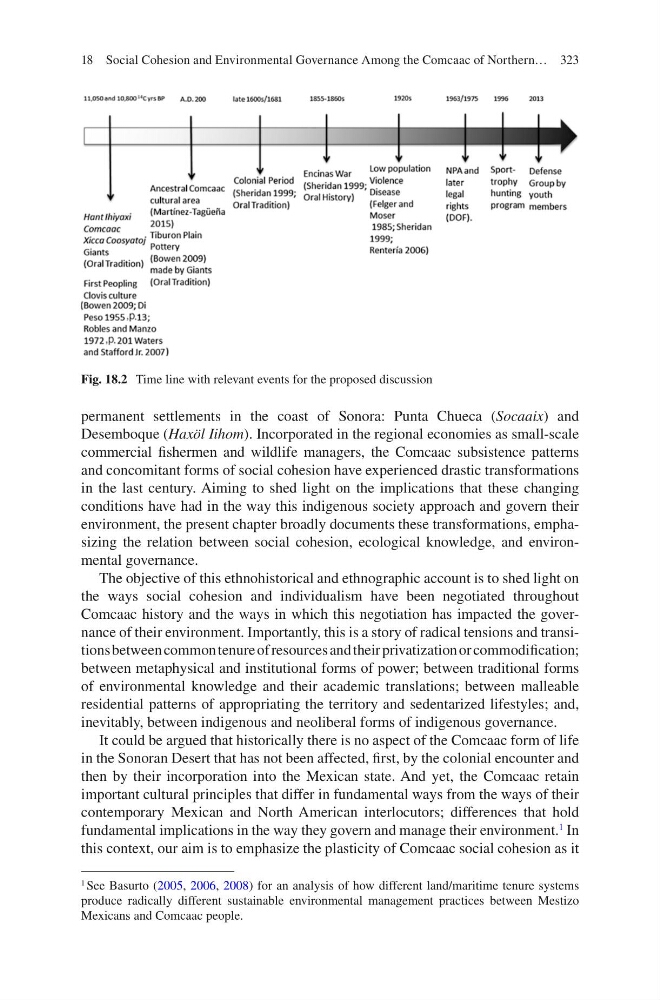
Fig. 18.2 Time line with relevant events for the proposed discussion
18 Social Cohesion and Environmental Governance Among the Comcaac of Northern…
permanent settlements in the coast of Sonora: Punta Chueca (Socaaix) and
Desemboque (Haxöl Iihom). Incorporated in the regional economies as small-scale
commercial fishermen and wildlife managers, the Comcaac subsistence patterns
and concomitant forms of social cohesion have experienced drastic transformations
in the last century. Aiming to shed light on the implications that these changing
conditions have had in the way this indigenous society approach and govern their
environment, the present chapter broadly documents these transformations, emphasizing the relation between social cohesion, ecological knowledge, and environmental governance.
The objective of this ethnohistorical and ethnographic account is to shed light on
the ways social cohesion and individualism have been negotiated throughout
Comcaac history and the ways in which this negotiation has impacted the governance of their environment. Importantly, this is a story of radical tensions and transitions between common tenure of resources and their privatization or commodification;
between metaphysical and institutional forms of power; between traditional forms
of environmental knowledge and their academic translations; between malleable
residential patterns of appropriating the territory and sedentarized lifestyles; and,
inevitably, between indigenous and neoliberal forms of indigenous governance.
It could be argued that historically there is no aspect of the Comcaac form of life
in the Sonoran Desert that has not been affected, first, by the colonial encounter and
then by their incorporation into the Mexican state. And yet, the Comcaac retain
important cultural principles that differ in fundamental ways from the ways of their
contemporary Mexican and North American interlocutors; differences that hold
fundamental implications in the way they govern and manage their environment.
1
In
this context, our aim is to emphasize the plasticity of Comcaac social cohesion as it
1 See Basurto (2005, 2006, 2008) for an analysis of how different land/maritime tenure systems
produce radically different sustainable environmental management practices between Mestizo
Mexicans and Comcaac people.
Fig. 18.2 Time line with relevant events for the proposed discussion
18 Social Cohesion and Environmental Governance Among the Comcaac of Northern…