

strategy to load these small molecules into the supramolecular magnetic nanocomposites to form zero-dimensional magnetic drug-delivering nanocomposites,
which could specifically target the tumor sites and release the drugs by elaborately
controlling the magnetic field. For example, Lee et al. constructed one kind of
magnetic supramolecular nanoparticles composed of adamantane-modified magnetic nanoparticles (Ad-MNP), adamantane-modified polyamidoamine dendrimers
(Ad-PAMAM), β-cyclodextrin-grafted polyethylenimine (CD-PEI), and doxorubicin (Dox) (Fig. 4). In the DOX-containing magnetic supramolecular assemblies, the
components could self-assemble into nanoparticles by host-guest interaction, magnetic attraction, and hydrophobic force. By the enhanced permeability and retention
(EPR) effect, the nanoparticles could accumulate at the tumor sites and release DOX
with the aid of alternative magnetic field (AMF), which could cause remarkable heat
production of the MNPs. These magnetothermally responsive supramolecular nanoparticles could severely damage the tumor cells and exhibit splendid antitumor
efficiency in vivo [28].
20.4.2 Magnetic Hyperthermia
Hyperthermia is a useful method with long history for treating abundant diseases and
dysfunctions, such as infections, immune disorders, and cancers [29, 30]. For
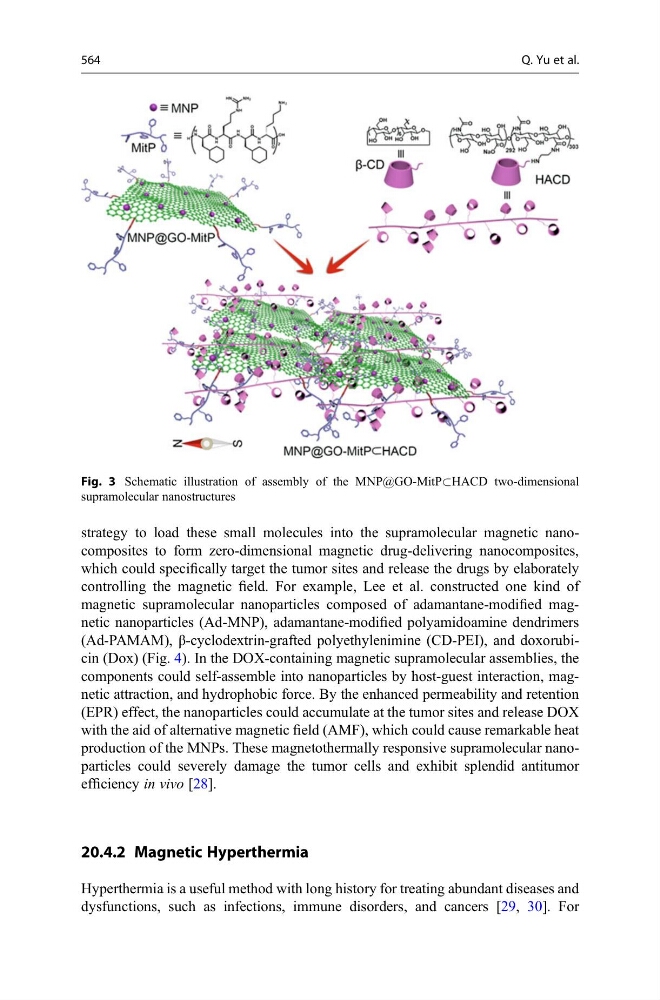
Fig. 3 Schematic illustration of assembly of the MNP@GO-MitP&HACD two-dimensional
supramolecular nanostructures
564
Q. Yu et al.