

hydrogel based on poly(acrylic acid)-graft-β-CD (PAAc-g-β-CD) and polyacrylamide (PAAm) using the interpenetrating polymer network (IPN) method which
can improve its loading and release of drugs (Fig. 4a) [27]. The phase-transition
temperature or upper critical solution temperature (UCST) of the hydrogel in this
work was about 35
C. Therefore, the IPN hydrogel showed a positive release at
body temperature (37
C). Compared with the normal hydrogels, the IPN hydrogels
based on CD polymers presented improved drug loading and controlled release. Kim
et al. have synthesized β-CD polymers and paclitaxel (PTX) polymers by connecting
β-CD and PTX with poly[IB-alt-MAnh] and poly[MVE-alt-MAnh], respectively,
giving the supramolecular nanoparticles (Fig. 4b) [28]. The supramolecular nanoparticles showed high stability and efficiently loaded paclitaxel and released into the
targeted cancer cells via both passive and active targeting mechanisms by the broken
of ester linkages between PTX and the polymer backbone within the targeted cancer
cells. These novel supramolecular nanoparticles show outstanding antitumor activity
in a mouse tumor model. The work provides new thought for the development of
targeted antitumor drug delivery.
Another type of linear CD polymers is those of CDs as part of the backbone. In
this case, Davis et al. have done a lot of work based on linear CD polymers in
assembly of biomaterials [29–31], in vivo biodistribution [32–34], pharmacodynamics [35–37], and clinical studies [38–42]. The synthesis of 6
A ,6
D -dideoxy-6
A ,6
D -
diiodo-β-CD is the key to successfully prepare this type of linear CD polymers.
Typically, Davis et al. reported a synthetic delivery nanoparticle (approximately 70
nm diameter) [42], which is designed to circulate and then to accumulate and
permeate in tumors by intravenous injection (Fig. 5). The nanoparticles contain
four parts: (1) linear CD polymers [43], (2) siRNA designed to reduce the expression
of the RRM2, (3) the polyethylene glycol (PEG) molecules terminated with
adamantane, and (4) the polyethylene glycol (PEG) molecules terminated with a
human transferrin protein (TF), which can engage TF receptors (TFR) on the surface
of the tumors cells. They conducted the first in-human phase I clinical trial involving
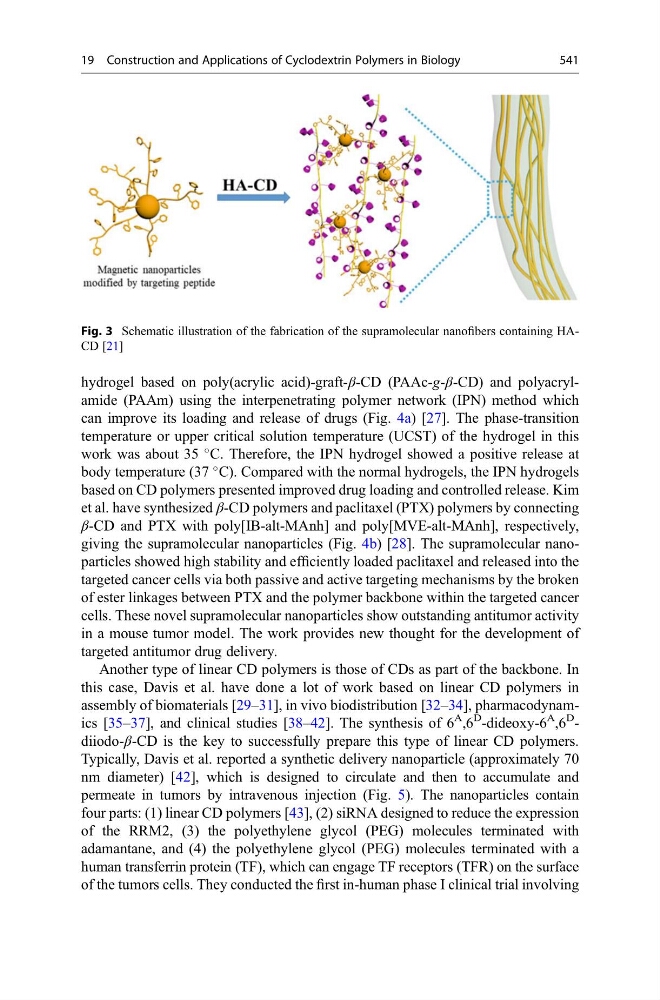
Fig. 3 Schematic illustration of the fabrication of the supramolecular nanofibers containing HACD [21]
19 Construction and Applications of Cyclodextrin Polymers in Biology
541