

permeability and retention (EPR) effect, which can target the drug to the site of the
tumor tissue to improve the bioactivity and decrease the side effects of the drug. How
does the EPR effect work? The general explanation for this phenomenon is that for
tumor cells to grow quickly, sufficient nutrients and oxygen must be supplied via the
vessels around the tumor tissues. Normal blood vessels do not have the capacity to
adequately cater for the rapid growth of tumor tissues; therefore, they must stimulate
the production of blood vessels. These neovasculatures are usually abnormal in
terms of both form and architecture, resulting in newly formed vessels with wide
fenestrations between endothelial cells and a wider lumen. This leads to abnormal
molecule transport dynamics, allowing macromolecules to stay longer in the abnormal vessel system. This is a big advantage of the EPR effect for use of high
molecular weight molecules (such as nanodrugs) [52–54] (Fig. 10).
Cho and coworkers [58] designed and prepared a methyl β-CD–hyaluronic
acid–ceramide (HACE) nanoassembly system for implementing targeted treatment of CD44 receptor–expressed cancer. Methyl β-CD (MbCD) can uptake
cholesterol from the cell membrane, which can induce downstream signal pathways
of apoptosis [56]. HACE conjugates are amphiphilic molecules that can self-assemble
into nanoparticles, and HACE is the target ligand for the CD44 receptor [57]; thus,
HACE and MbCD–formed nanoparticles can be targeted by the EPR effect. Furthermore, HACE ligands can largely decrease the off-target effect that the dual-effect is
larger than either EPR effect or the decrease of off target effect alone. The dual-target
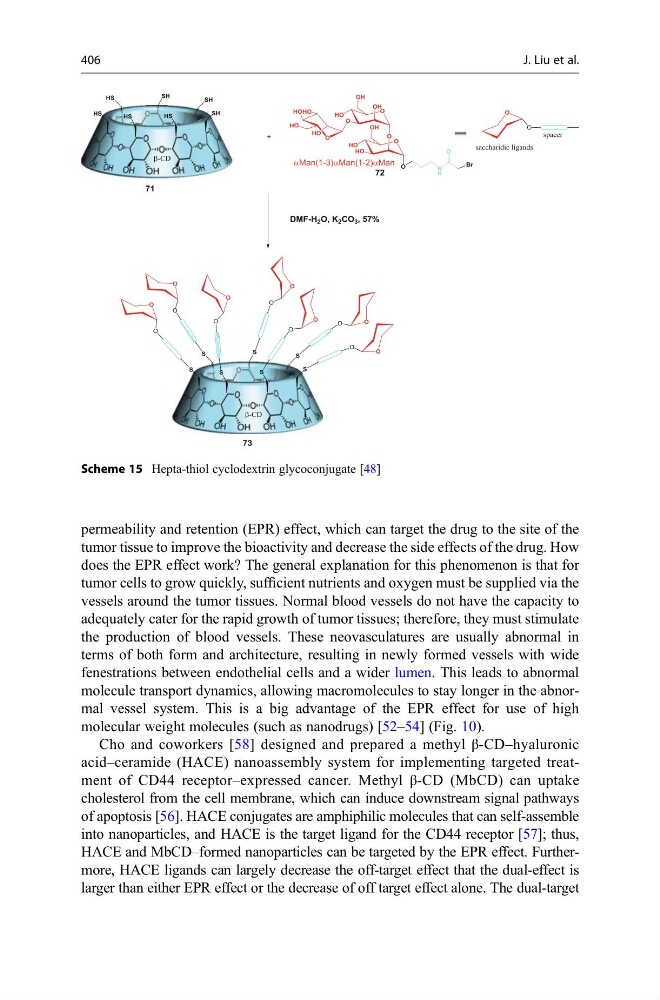
Scheme 15 Hepta-thiol cyclodextrin glycoconjugate [48]
406
J. Liu et al.
tumor tissue to improve the bioactivity and decrease the side effects of the drug. How
does the EPR effect work? The general explanation for this phenomenon is that for
tumor cells to grow quickly, sufficient nutrients and oxygen must be supplied via the
vessels around the tumor tissues. Normal blood vessels do not have the capacity to
adequately cater for the rapid growth of tumor tissues; therefore, they must stimulate
the production of blood vessels. These neovasculatures are usually abnormal in
terms of both form and architecture, resulting in newly formed vessels with wide
fenestrations between endothelial cells and a wider lumen. This leads to abnormal
molecule transport dynamics, allowing macromolecules to stay longer in the abnormal vessel system. This is a big advantage of the EPR effect for use of high
molecular weight molecules (such as nanodrugs) [52–54] (Fig. 10).
Cho and coworkers [58] designed and prepared a methyl β-CD–hyaluronic
acid–ceramide (HACE) nanoassembly system for implementing targeted treatment of CD44 receptor–expressed cancer. Methyl β-CD (MbCD) can uptake
cholesterol from the cell membrane, which can induce downstream signal pathways
of apoptosis [56]. HACE conjugates are amphiphilic molecules that can self-assemble
into nanoparticles, and HACE is the target ligand for the CD44 receptor [57]; thus,
HACE and MbCD–formed nanoparticles can be targeted by the EPR effect. Furthermore, HACE ligands can largely decrease the off-target effect that the dual-effect is
larger than either EPR effect or the decrease of off target effect alone. The dual-target
Scheme 15 Hepta-thiol cyclodextrin glycoconjugate [48]
406
J. Liu et al.