

(CDP); (2) a human transferrin protein (TF)–targeting ligand, which has specific
affinity for TF receptors (TFRs) expressed on the tumor cell surface; (3) a hydrophilic polymer (polyethylene glycol (PEG)), which can stabilize nanoparticles in
biological fluids; and (4) a siRNA designed to reduce the expression of
ribonucleoside-diphosphate reductase subunit M2 (RRM2), an anticancer target.
This was the first powerful demonstration of a cyclodextrin-based nanoparticle for
targeted delivery of siRNA in humans [30, 31] (Fig. 4).
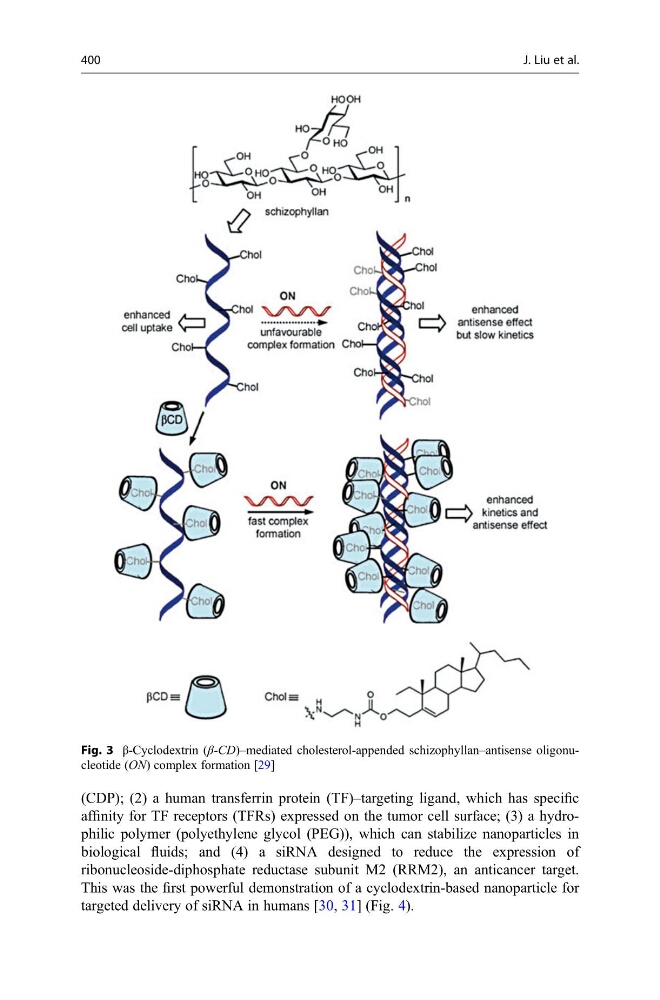
Fig. 3 β-Cyclodextrin (β-CD)–mediated cholesterol-appended schizophyllan–antisense oligonucleotide (ON) complex formation [29]
400
J. Liu et al.
affinity for TF receptors (TFRs) expressed on the tumor cell surface; (3) a hydrophilic polymer (polyethylene glycol (PEG)), which can stabilize nanoparticles in
biological fluids; and (4) a siRNA designed to reduce the expression of
ribonucleoside-diphosphate reductase subunit M2 (RRM2), an anticancer target.
This was the first powerful demonstration of a cyclodextrin-based nanoparticle for
targeted delivery of siRNA in humans [30, 31] (Fig. 4).
Fig. 3 β-Cyclodextrin (β-CD)–mediated cholesterol-appended schizophyllan–antisense oligonucleotide (ON) complex formation [29]
400
J. Liu et al.